How to Prune Treasure flower?
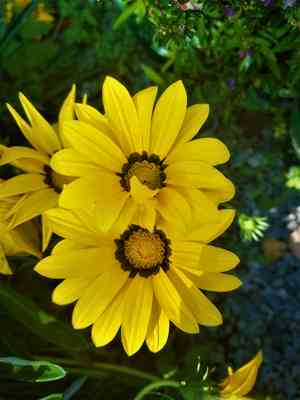
This enduring plant is celebrated for its brilliant, daisy-shaped blossoms and its capacity to flourish in bright environments. Essential trimming methods for treasure flower involve removing faded flowers to stimulate additional blooming and reducing the plant's size in late summer or autumn to preserve its form. Ideal pruning can be carried out across all seasons as required. Consistent elimination of old flowers and impaired foliage enhances visual appeal and plant strength, guaranteeing a vigorous exhibition of its vibrant flowers.
What Are the Benefits of Pruning Treasure Flower?
What Are the Benefits of Pruning Treasure Flower?
Trimming treasure flower promotes more abundant flowering, stimulates robust development, and maintains its desired shape, ensuring this vibrant plant continues to charm in the garden.
What Is the Best Time for Pruning Treasure Flower?
What Is the Best Time for Pruning Treasure Flower?
Trimming treasure flower in late winter or early spring is optimal since the plant is typically dormant, with minimal growth. This timing helps prevent stress to treasure flower and encourages a strong growth spurt when the active season begins. Additionally, removing faded flowers and dead leaves just before spring reduces disease and pest risks. Light, regular trimming can be done throughout the growing season to maintain shape and encourage continuous blooming.
What Tools Do I Need to Prune Treasure Flower?
Hand Pruners
Perfect for deadheading and trimming back treasure flower, hand pruners offer the precision needed due to the delicate nature of treasure flower's flowering stems.
Gardening Gloves
While treasure flower isn't particularly thorny, gloves protect hands from soil bacteria and potential plant irritants during pruning.
Pruning Shears
For shaping and controlling the spread of treasure flower, sharp, bypass pruning shears make clean cuts that help prevent disease and damage to the plant.
Garden Scissors
For finer trimming of treasure flower's foliage or for thinning out dead or crowded growth, garden scissors provide accuracy and ease of use.
Trash Bags or Bin
Pruned material and dead leaves should be promptly removed and disposed of to prevent disease and pests around treasure flower.
How to Prune Treasure Flower
Step1: Assessment of Plant for Pruning Needs
Evaluate the treasure flower, focusing on dead flowers, damaged leaves, and old stems that need trimming. It's best to do this assessment in late winter or early spring, as treasure flower flowers on new growth.
Step2: Pruning Tool Sanitization
Sanitize your pruning shears or scissors with a 10% bleach solution or rubbing alcohol to prevent the spread of diseases while you trim treasure flower.
Step3: Deadhead Spent Blooms
Begin by removing dead flowers. Snip off the spent blooms at the stem just below the flower head. This deadheading process encourages treasure flower to produce more flowers and redirects energy to healthier parts of the plant.
Step4: Removal of Damaged Leaves
Locate and remove damaged leaves by cutting them at the base where the leaf stem meets the main plant stem. Make sure to remove only the leaves that are damaged or diseased to maintain the plant's health and appearance.
Step5: Cutting Back Old Stems
Prune old stems that show signs of woody growth, reduced flower production, or damage. Cut these stems back to just above a set of healthy leaves or a new bud. If the stems are very old and woody, they can be cut back to ground level to promote new growth.
Step6: Post-Pruning Cleanup
After pruning, clean the area around the treasure flower to remove any fallen debris. This will help prevent fungal diseases and pests from affecting the plant.
Step7: Watering Post-Prune
Water the treasure flower thoroughly after pruning to help reduce stress on the plant and aid in its recovery.
Step8: Monitoring Plant Regrowth
Monitor the treasure flower for new growth, ensuring it gets plenty of sunlight and occasional watering. The pruning should result in a healthier, more vigorous plant with plentiful blooms during its flowering season.
Post-Pruning Care for Treasure Flower
Post-Pruning Care for Treasure Flower
Immediately after trimming treasure flower, ensure it's placed in full sun to promote vigorous blooming. Adjust watering to maintain slightly moist soil without waterlogging. Post-pruning, a balanced fertilizer should be reintroduced gently to support treasure flower's recovery. Monitor closely for wilting or discoloration, indicative of stress or potential infection. In such cases, reduce stressors and consider a fungicide or pesticide as a last resort. Regularly inspect for healthy new growth as a sign of successful recovery.
Common Pruning Mistakes with Treasure Flower
Overzealous Pruning Reduces Vitality
Trimming too aggressively, which can lead to reduced flowering and vigour in treasure flower.
Blunt/Dirty Tools Harm Plants
Using dull or dirty pruning tools, resulting in jagged cuts and potential disease transmission to treasure flower.
Not Deadheading Hampers Blooming
Neglecting to remove dead or fading flowers, which can prevent treasure flower from producing new blooms.
Ignoring Plant's Natural Shape
Pruning without considering the natural shape of treasure flower, causing an unnatural appearance and potential damage to the plant's structure.
Spreading Disease with Unsanitized Tools
Failing to disinfect tools between cuts when treasure flower shows signs of disease, risking the spread of pathogens.
Common Pruning Tips for Treasure Flower
Sharp, Clean Cuts for Healthy Plants
Use sharp, clean pruning shears to make precise cuts on treasure flower, which help the plant heal faster and reduce disease risk.
Regular Deadheading Boosts Blooms
Deadhead spent blooms regularly to encourage treasure flower to produce more flowers and extend the blooming period.
Remove Dead Foliage for Plant Health
Remove any dead or damaged foliage to maintain the health and aesthetic appeal of treasure flower, as well as to encourage better air circulation around the plant.
Selective Pruning for Natural Growth
Shape treasure flower by selectively pruning overgrown or stray branches to maintain its natural form and promote denser growth.
Gentle Consistent Pruning Promotes Growth
Prune lightly and consistently rather than drastically cutting back treasure flower, as this ensures steady growth without stressing the plant.



