How to Prune Dangleberry?
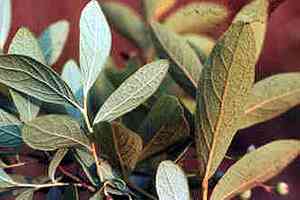
This leafy shrub, recognized for its hanging bunches of dark fruit and shiny leaves, flourishes with consistent upkeep. The most effective trimming for dangleberry entails excising dead or ailing limbs and reducing crowded sections to enhance air movement and light exposure, thereby encouraging robust development and berry yield. The ideal period for pruning is in late winter or early spring, prior to the emergence of new shoots. Pruning while the plant is dormant lessens strain and the chance of illness, preserving dangleberry's vitality and visual appeal.
Advantages of Trimming Dangleberry
Advantages of Trimming Dangleberry
Trimming dangleberry promotes robust development and maintains its desired form. This is particularly crucial for fostering a strong framework and dense foliage, typical of a well-kept dangleberry. Pruning also aids in size management and prevents excessive growth.
Optimal Period for Pruning Dangleberry
Optimal Period for Pruning Dangleberry
Pruning or trimming dangleberry during late winter or early spring is ideal as this timing helps prepare the plant for new growth without negatively impacting its flowering potential. In late winter, dangleberry remains dormant, minimizing stress and the risk of disease transmission often linked to pruning cuts. Early spring, just before new growth emerges, allows for the removal of any dead or damaged wood from winter, without interfering with the flower development essential for fruit production later in the season. This timing also encourages a vigorous start to the new growth cycle, enhancing the health and vitality of dangleberry.
Required Tools for Pruning Dangleberry
Hand Pruners
Perfect for precise trimming of dangleberry's smaller stems, providing clean cuts without crushing plant tissues.
Lopping Shears
Suitable for cutting through larger stems and branches of dangleberry that hand pruners cannot manage due to their increased leverage.
Pruning Saw
Essential for removing any mature or thick branches of dangleberry that are too substantial for lopping shears to cut through effectively.
Gloves
Protection for the gardener's hands from dangleberry's potentially thorny stems during the pruning process.
How to Prune Dangleberry
Sanitize Tools
Before beginning the pruning process for dangleberry, clean and disinfect all pruning tools. Use a solution of one part bleach to nine parts water or rubbing alcohol to prevent the spread of diseases between plants.
Remove Diseased Leaves
Carefully examine dangleberry for any indications of diseased leaves. Using your disinfected pruning shears, snip off the diseased leaves at their base, being careful not to harm adjacent healthy foliage.
Eliminate Withered Leaves
Identify and cut away any withered leaves that are not contributing to dangleberry's growth or photosynthesis. Trim these leaves back to the point of healthy tissue to encourage proper air circulation and light penetration.
Prune Dead Branches
Look for dead branches on dangleberry that show no signs of green growth. Prune these branches back to their origin point or to the nearest healthy lateral branch, ensuring cuts are clean and angled to promote healing and deter water accumulation.
Cut Back Diseased Branches
Finally, remove diseased branches from dangleberry by cutting them back to healthy wood or to the base if necessary. Consider removing them in sections to avoid tearing or damaging the plant. Dispose of all diseased material properly, away from healthy plants to prevent further infection.
Common Pruning Errors with Dangleberry
Excessive Pruning
Removing too much foliage from dangleberry can stress the plant, leading to reduced vigor and fewer berries. Aim to remove no more than one-third of the plant's volume during a single pruning session.
Ignoring Deadwood
Failing to remove dead or diseased branches can impede dangleberry's growth and make the plant more vulnerable to infections or pest infestations.
Cutting Into Old Wood
Dangleberry blooms on new growth, so cutting into old wood might remove potential flower buds and reduce the season's yield. It is essential to differentiate between old and new growth before pruning.
Incorrect Tool Use
Using dull or dirty pruning tools can cause unnecessary damage to the plant's tissues, hindering healing and potentially introducing diseases to dangleberry.
Pruning Too Short
Cutting branches too short can remove the nodes that dangleberry needs for new growth and berry production. It is crucial to leave enough stem for healthy new shoots.
General Pruning Advice for Dangleberry
Sanitize Tools
Always clean and sterilize pruning tools before and after use to prevent the spread of disease to or from dangleberry.
Selective Thinning
Thinning out crowded sections of dangleberry can improve air circulation and light penetration, which is beneficial for plant health and berry production. Remove select branches at the base to thin out the plant.
Maintain Plant Structure
When pruning dangleberry, focus on maintaining an attractive and natural shape. Prune branches selectively to manage plant size and shape without compromising its structure.
Encourage New Growth
Trimming the tips of branches can stimulate dangleberry to produce new growth, which is where flowers and berries will develop. Make sure to make cuts just above a bud or branching point.
Monitor Plant Health
Regularly inspect dangleberry for signs of dead, diseased, or damaged branches. These should be the first to be pruned away to maintain a healthy plant.



