How to Prune Eggleaf silktassel?
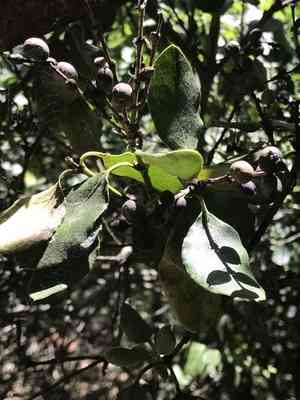
Eggleaf silktassel is a bush distinguished by its thick, evergreen leaves and drooping catkins. Trim eggleaf silktassel in the early spring, right before fresh shoots emerge. Concentrate on eliminating deceased, injured, or intersecting limbs to improve air circulation and form. Gentle shaping improves its visual attractiveness and fosters denser development. Yearly trimming optimizes its well-being and strength, whereas revitalizing older shrubs necessitates more aggressive cutting. Correct timing and methods avert illness and encourage peak flowering.
What Are the Benefits of Pruning Eggleaf Silktassel?
What Are the Benefits of Pruning Eggleaf Silktassel?
Eggleaf silktassel thrives with pruning, promoting vigorous growth and maintaining its form. Eliminating dead or diseased limbs encourages healthy development, manages size, enhances appearance, and boosts resistance to pests and illnesses. Regular trimming ensures abundant blooms and overall plant health.
What Is the Best Time for Pruning Eggleaf Silktassel?
What Is the Best Time for Pruning Eggleaf Silktassel?
Early spring is considered optimal for pruning eggleaf silktassel due to its growth cycle. Trimming during this period allows the plant to recover swiftly as it enters its active growth phase. Additionally, pruning in early spring before new growth starts helps shape the plant and remove any winter-damaged branches. This timing ensures the plant remains healthy and strong throughout the growing season. Pruning at this time also minimizes disruption to its flowering or fruiting periods, leading to improved overall plant health and aesthetics.
What Tools Do I Need to Prune Eggleaf Silktassel?
Bypass Pruners
Perfect for making precise cuts on living branches up to 1/2 inch in diameter. They help preserve the plant's natural growth habit.
Lopping Shears
Useful for cutting thicker branches, ranging from 1/2 to 1 1/2 inches in diameter, which may be necessary for managing the plant's size and form.
Pruning Saw
Required for removing larger branches exceeding 1 1/2 inches in diameter. Its sharp teeth ensure clean cuts, preventing harm to the plant.
Hedge Shears
Beneficial for shaping and maintaining the plant's overall look, especially when utilized as a hedge or screen.
How to Prune Eggleaf Silktassel
Inspect
Examine eggleaf silktassel for any clearly dead or diseased sections, noting areas with sparse or unhealthy foliage.
Prepare tools
Utilize clean, sharp pruning shears or loppers. Sanitize tools with alcohol to prevent disease transmission.
Trim diseased leaves
Remove all diseased leaves by cutting them at their base, close to the stem but avoiding damage to healthy tissue.
Trim withered leaves
Cut off withered leaves at their point of attachment to the stem, ensuring no dead material remains.
Remove dead branches
Cut back dead branches to the main stem, ensuring all cuts are clean and angled to prevent water accumulation.
Remove diseased branches
Trim diseased branches back to a point where healthy wood is visible, cutting just above a bud or healthy lateral branch.
Common Pruning Mistakes with Eggleaf Silktassel
Improper technique
Using dull or dirty tools, which can result in jagged cuts and heighten the risk of disease.
Over-pruning
Removing too much foliage at once, which can stress the plant and diminish its overall vigor.
Incorrect branch selection
Cutting healthy main branches instead of focusing on dead, diseased, or crossing branches, thereby weakening the plantâs structural integrity.
Common Pruning Tips for Eggleaf Silktassel
Use sharp tools
Always use sharp, clean pruning shears or saws to ensure smooth cuts that heal quickly.
Sanitize tools
Disinfect pruning tools between cuts to prevent the spread of disease; a simple bleach solution or alcohol wipes can be used.
Identify goals
Before pruning, decide if the goal is to shape the plant, improve air circulation, or remove damaged parts. This will help determine which branches to cut.
Make clean cuts
Aim for clean, angled cuts just above a bud or branching point; this promotes new growth and prevents water from collecting on the cut surface.
Gradual pruning
Prune gradually to avoid shocking eggleaf silktassel. Remove no more than one-third of the plantâs foliage in a single session.
Observe the plant
Let the natural growth habit of eggleaf silktassel guide your pruning to enhance its natural form rather than forcing an unnatural shape.
Inspect regularly
Regularly check eggleaf silktassel for dead, diseased, or damaged branches and remove them promptly to maintain plant health.



