How to Prune Cape jasmine?
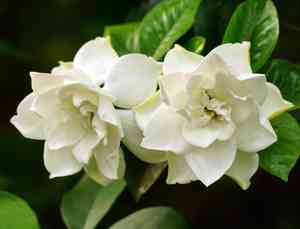
Valued for its aromatic white blossoms and lustrous evergreen leaves, Gardenia jasminoides flourishes with appropriate attention. Shear after flowering to stimulate branching and eliminate faded blooms. Optimal pruning occurs in early spring or winter; refrain from late-season cuts that could hinder blooming. Essential for shaping this variety is to preserve its form, improve air circulation, and diminish ailments. Advantages encompass revitalized development and a more abundant floral exhibition.
What Are the Benefits of Pruning Cape Jasmine?
What Are the Benefits of Pruning Cape Jasmine?
Trimming cape jasmine encourages more robust flowering by directing energy towards bloom development. It also aids in preventing pest infestations and diseases by eliminating affected areas and improving air circulation around the foliage.
What Is the Best Time for Pruning Cape Jasmine?
What Is the Best Time for Pruning Cape Jasmine?
Pruning cape jasmine in early spring is optimal as it aligns with the plant's natural growth cycle, just before the start of the growing season. Trimming at this time causes minimal stress to the plant and allows for strong recovery and new growth, which supports flowering during its bloom period from late spring to summer. Late winter pruning can also be suitable for removing any dead or diseased branches before new growth begins, helping to maintain the health and form of cape jasmine. However, avoid extensive pruning late in spring or during summer, as it may lead to the loss of flower buds and reduce the season's blooming potential.
What Tools Do I Need to Prune Cape Jasmine?
Hand Pruners
Hand pruners are perfect for making clean cuts on cape jasmine's thinner branches and stems. They offer the necessary precision for shaping, deadheading, and removing dead or diseased wood without causing undue harm to the plant.
Pruning Saws
For cape jasmine's thicker branches that hand pruners cannot effectively manage, a pruning saw is essential. Its serrated edge allows for cutting through tougher wood without damaging surrounding areas.
Loppers
When branches are too thick for hand pruners but still accessible, loppers are an effective tool. They provide extended reach and greater leverage, which is beneficial for cutting through cape jasmine's medium-sized branches.
How to Prune Cape Jasmine
Step1: Assess plant health and pruning needs
Evaluate cape jasmine's overall health and vigor before beginning the pruning process. Identify all parts requiring trimming, focusing on spent flowers, damaged wood, and old wood.
Step2: Prepare and disinfect pruning tools
Gather clean, sharp pruning tools to minimize damage and potential disease transmission to cape jasmine. Disinfect your tools with a solution of 1 part bleach to 10 parts water before and after pruning.
Step3: Time pruning after bloom to preserve buds
Begin pruning cape jasmine immediately after it finishes blooming, typically in late summer or early fall, to avoid cutting off next year's flower buds which form on old wood.
Step4: Deadhead spent blooms to boost flowering
Remove dead flowers by cutting the stem just above the first set of full leaves below the spent bloom. This will encourage cape jasmine to continue blooming and prevent seed formation which can reduce next year's blossoms.
Step5: Trim damaged or dead wood at a 45-degree angle
Identify and remove any damaged or dead wood. Make cuts at a 45-degree angle, approximately 1/4 inch above a healthy outward-facing bud or leaf node. For larger branches, use the three-cut method to prevent bark tearing: A notch cut on the underside of the branch, a relief cut farther out, and then the final cut near the branch collar.
Step6: Rejuvenate by selectively removing old stems
Prune old wood to revitalize cape jasmine. Selectively remove some of the older stems to the base to promote vigorous growth and air circulation. Generally, you can safely remove up to one-third of the oldest stems.
Step7: Shape plant according to its natural habit
Shape cape jasmine as needed for aesthetic purposes, but always consider the natural habit of cape jasmine to avoid excessive cutting.
Step8: Remove debris to prevent diseases and pests
Clear away all pruning debris from around cape jasmine to prevent disease and pests.
Step9: Water and fertilize post-pruning for recovery
After pruning, water cape jasmine appropriately, and apply a balanced fertilizer to support recovery and growth if the time of year coincides with cape jasmine's growing season.
Post-Pruning Care for Cape Jasmine
Post-Pruning Care for Cape Jasmine
After pruning cape jasmine, immediately water the plant to reduce stress. Place cape jasmine in partial shade to protect the fresh cuts from intense sunlight. Maintain high humidity and a temperature between 65-75°F. Start a light fertilization regimen 4-6 weeks after pruning with a balanced, acid-forming fertilizer to encourage growth. Monitor cape jasmine for wilting or yellowing leaves, a sign of stress or potential infection. If symptoms appear, inspect the cuts and apply a fungicide if necessary. Regularly check soil moisture â cape jasmine prefers consistently moist soil, but avoid waterlogging.
Common Pruning Mistakes with Cape Jasmine
Avoid Old Wood Cuts to Preserve Blooms
Cutting into old wood can result in fewer blooms, as cape jasmine flowers on the current year's growth. Pruning too far back into the woody, leafless stems might hinder flowering.
Limit Pruning to Under One-Third of Growth
Pruning excessively can stress cape jasmine, leading to weak growth or even plant death. It's important to remove only what's necessaryâtypically no more than one-third of the total growth.
Proper Cutting Technique Prevents Disease
Making improper cuts, such as leaving jagged edges or cutting too close or too far from the bud, can lead to disease and poor growth. Proper technique is vital for the health of cape jasmine.
Sterilize Tools to Prevent Disease Spread
Neglecting to clean pruning tools before and after trimming cape jasmine can cause the spread of disease between plants. Always sterilize tools to maintain plant health.
Remove Dead Wood for Healthier Growth
Overlooking the removal of dead or diseased wood. It's important to regularly remove unhealthy parts of cape jasmine to maintain vigorous growth and flower production.
Common Pruning Tips for Cape Jasmine
45-Degree Clean Cuts for Healthy Growth
Make clean cuts at a 45-degree angle approximately 1/4 inch above an outward-facing bud. This encourages outward growth and allows water to drain off the cut surface.
First Remove Dead or Damaged Branches
Focus on removing any dead, damaged, or diseased wood first. This improves air circulation and redirects cape jasmine's energy to producing healthy growth and flowers.
Thin Out for Light and Air Flow
Thin out crowded branches to increase light penetration and air flow within the canopy, which is particularly important for cape jasmine to reduce the risk of fungal diseases.
Use Sharp Shears for Precise Cuts
Use sharp and clean pruning shears to make precise cuts. This minimizes damage to cape jasmine and promotes quicker healing.
Post-Flowering Pruning Shapes Plant
Prune just after cape jasmine has finished flowering to shape the plant and encourage the growth of new buds for the next season. Avoid heavy pruning as this can adversely affect flowering.



