How to Prune Common garcinia?
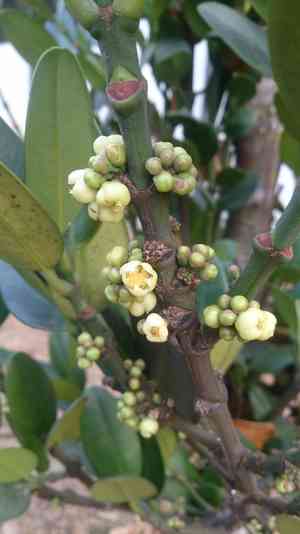
Originating from tropical Asia, common garcinia is an evergreen tree recognized for its lustrous foliage and yellow, pulpy produce. Efficient trimming entails reducing dense branches to enhance air movement and light exposure. Eliminating deceased or ailing branches is vital for preserving the plant's well-being. Trimming ought to be carried out in winter, common garcinia's inactive phase, to lessen strain and boost spring development. Consistent trimming of common garcinia fosters a sturdier framework, potentially elevating fruit production and aesthetic appeal.
What Are the Benefits of Pruning Common Garcinia?
What Are the Benefits of Pruning Common Garcinia?
Trimming common garcinia helps manage its dimensions, preserving an attractive form. Regular cutting encourages robust new development, ensuring the plant stays vigorous and healthy.
What Is the Best Time for Pruning Common Garcinia?
What Is the Best Time for Pruning Common Garcinia?
Winter is considered the optimal period for pruning common garcinia primarily because the plant is in a dormant state. During dormancy, common garcinia's metabolic activities and growth processes slow down, minimizing the stress on the plant from pruning. Additionally, with less dense foliage in winter, it's easier to identify and reach branches needing trimming. Pruning in winter also lowers the risk of pest infestation and disease, as both are less active during colder weather. It's crucial to prune before new spring growth begins to ensure the plant's energy is directed towards developing new, healthy branches. Proper timing helps common garcinia recover quickly and guides growth for shaping, ultimately contributing to the plant's health and aesthetic throughout its growth cycle, including its flowering and fruiting periods.
What Tools Do I Need to Prune Common Garcinia?
Hand Pruners
Perfect for making clean cuts on common garcinia's smaller branches, minimizing harm to plant tissues.
Loppers
Effective for cutting through common garcinia's thicker branches, up to two inches in diameter, which hand pruners cannot manage.
Pruning Saw
Essential for cutting off common garcinia's mature branches that are too thick for loppers.
Hedge Shears
Useful for shaping common garcinia when creating hedges or maintaining a formal look, allowing for uniform trimming of foliage.
How to Prune Common Garcinia
Clean Tools
Sanitize pruning shears with isopropyl alcohol to prevent disease transmission when trimming common garcinia.
Inspect Plant
Examine common garcinia for dead or diseased branches, which may appear discolored, shriveled, or show signs of fungal growth.
Cut Dead Branches
Use the shears to make clean cuts on dead branches, removing them at their base or back to healthy wood to stimulate growth.
Cut Diseased Branches
Trim diseased branches on common garcinia at least a few inches below the affected area to ensure all diseased tissue is removed.
Disposal
Discard removed debris away from healthy plants to prevent the spread of any disease that was affecting common garcinia.
Common Pruning Mistakes with Common Garcinia
Overpruning
Removing too much foliage from common garcinia can weaken the plant, making it more vulnerable to pests and diseases, and negatively impacting its natural shape and beauty.
Blunt Tools
Using dull or unclean cutting tools can cause jagged cuts that harm common garcinia, leading to poor healing and increased risk of infection.
Inconsistent Cuts
Making inconsistent or angled cuts can damage common garcinia's branches, resulting in unhealthy growth patterns and potential dieback.
Improper Disinfection
Failing to disinfect tools between cuts can spread disease from one part of common garcinia to another, risking the plant's overall health.
Neglecting Healthy Form
Not considering common garcinia's natural growth pattern when pruning can result in a loss of its aesthetic form and potentially impact fruiting.
Common Pruning Tips for Common Garcinia
Selective Pruning
Remove only dead, diseased, or crossing branches to maintain common garcinia's health and shape without over-pruning.
Sharp Clean Tools
Ensure that the pruning tools are sharp and clean to make precise cuts that common garcinia can heal quickly and efficiently from.
Angled Cuts
Make cuts at a 45-degree angle away from the bud to encourage proper water runoff and prevent disease in common garcinia.
Tool Disinfection
Disinfect tools before and after pruning common garcinia to prevent the spread of disease from infected plant parts to healthy ones.
Form Maintenance
Prune with the natural form of common garcinia in mind to enhance its appearance and promote even growth and flowering.



