How to Prune Mangosteen?
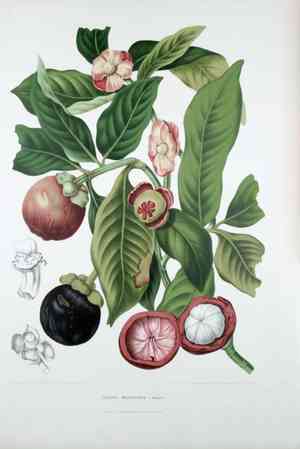
This evergreen tropical tree is celebrated for its delectable, succulent fruits encased in a robust, violet skin. For mangosteen, essential pruning methods involve excising dead or ailing wood, reducing dense branches to foster better air movement, and forming the crown for structural soundness. The most effective time for pruning is during the winter period when the tree is inactive. Pruning boosts fruit yield and preserves the tree's well-being by inhibiting the dissemination of illnesses. Judicious branch removal guarantees ongoing development and fruit-bearing in following years.
What Are the Benefits of Pruning Mangosteen?
What Are the Benefits of Pruning Mangosteen?
Trimming mangosteen boosts its vitality and maintains its desired shape. Strategic cuts stimulate new growth, fostering a robust framework and potentially increasing fruit yield. Regular shaping allows for a more manageable and aesthetically pleasing canopy.
What Is the Best Time for Pruning Mangosteen?
What Is the Best Time for Pruning Mangosteen?
Pruning mangosteen during the dry season or early winter aligns with the plant's dormancy period, when growth is naturally slowed. This timing minimizes stress on the plant and reduces the risk of disease infection through pruning wounds. Since mangosteen is a tropical species, it does not follow the same dormancy patterns as temperate plants; however, a period of reduced rainfall and cooler temperatures can approximate a dormant phase. Trimming during this time ensures that the plant can recover before the onset of the vigorous growth period in the spring and summer, which is crucial for flower development and fruit production. Careful pruning at this stage can also help maintain the structural integrity of the tree and enhance airflow, which is beneficial for overall health and fruit quality.
What Tools Do I Need to Prune Mangosteen?
Hand Pruners
Perfect for making clean cuts on smaller branches of mangosteen, typically up to 3/4 inch in diameter. They allow for precise control, which is necessary when thinning out mangosteen's canopy for better light penetration and air circulation.
Lopping Shears
Excellent for cutting through branches that are between 3/4 inch and 2 inches in diameter. Given mangosteen's relatively slow growth, loppers would be effective for annual or biennial pruning to maintain shape and remove any larger, unwanted branches.
Pruning Saw
Essential for removing larger branches over 2 inches thick. Mangosteen can develop substantial branches that require the cutting power of a saw. A pruning saw makes cleaner cuts that heal faster, reducing the risk of disease.
Pole Pruner
Suitable for reaching higher branches without the use of a ladder. Since mangosteen can reach considerable heights, a pole pruner can be utilized to safely prune branches while standing on the ground.
Gloves
Protect the gardener's hands from thorns and sap, which can be irritating. Gloves are a mandatory tool for any pruning task to ensure safety.
Pruning Sealer
Used after cutting large branches to protect against diseases and pests. After pruning mangosteen, applying sealer can assist in the plant's healing process and prevent issues that may arise from open wounds.
How to Prune Mangosteen
Clean Tools
Before pruning mangosteen, sterilize all pruning tools using a solution of bleach or alcohol to prevent the spread of disease.
Identify
Examine mangosteen for dead or diseased branches. Look for branches that have discoloration, are brittle or have visible signs of fungal infection.
Cut Dead Branches
Using sharp pruning shears, cut dead branches off of mangosteen at the point where they join a healthy stem or trunk. Make the cut at a 45-degree angle to promote healing and prevent water from collecting on the surface.
Trim Diseased Branches
Carefully trim off diseased branches from mangosteen, cutting well below the affected area to ensure all diseased tissue is removed. Immediately dispose of diseased branches to prevent contamination.
Sanitize
After pruning mangosteen, re-sanitize the tools to eliminate any potential pathogens that might have contaminated them during the process.
Common Pruning Mistakes with Mangosteen
Over-Pruning
Removing too many branches from mangosteen can stress the plant, lead to fewer fruit sets, or cause long-term damage. It's important to prune only what is necessary to shape the tree and remove unhealthy parts.
Improper Cuts
Cutting branches improperly can result in damage to mangosteen. Cuts should be clean and at a suitable angle to prevent water from collecting, which can lead to rot or disease.
Neglecting Sanitation
Using unclean pruning tools can introduce pathogens to mangosteen, risking infections. Tools should be sanitized before and after use to prevent the spread of diseases.
Ignoring Plant Structure
Not considering the natural growth pattern and branch structure of mangosteen during pruning can result in an unbalanced tree and reduced fruit production.
Pruning Young Trees Harshly
Over-pruning young trees can hinder their growth. Young mangosteen trees should be allowed to develop a strong framework before any significant pruning is done.
Removing Too Much Foliage
Mangosteen requires enough leaves to photosynthesize and produce energy. Pruning too many leaves can reduce the plantâs vigor and affect fruiting.
Common Pruning Tips for Mangosteen
Clean Cuts
Make sure cuts on mangosteen are clean and made at a 45-degree angle to encourage proper healing and prevent water accumulation.
Tool Sanitation
Always use well-sanitized and sharp pruning tools to reduce the risk of disease and make precise cuts on mangosteen.
Structural Pruning
Focus on the structure when pruning mangosteen, aiming to create an open canopy that allows light penetration and air circulation, which are crucial for fruit development and health.
Dead And Diseased Branches
Regularly remove dead or diseased branches from mangosteen to improve its health and prevent the spread of pests or diseases.
Judicious Thinning
Mangosteen benefits from thinning out dense areas. This should be done judiciously to maintain plant strength and enhance fruit production.
Supportive Pruning
For young mangosteen trees, prune to support the development of a strong framework. This includes forming a central leader and well-spaced lateral branches.



