How to Prune Indian blanket?
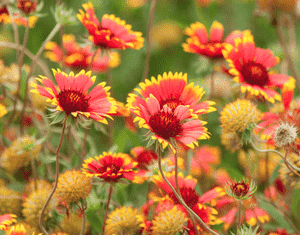
This enduring wild bloom, recognized for its vivid, daisy-like flowers and resilience to arid conditions, flourishes with little upkeep. For indian blanket, the ideal period for trimming is post-bloom, spanning from early spring through late autumn, to foster denser development and increased flowering. Removing spent blossoms improves aesthetic appeal and vitality, while cutting back in late autumn readies indian blanket for its winter rest. Trimming not only preserves its form but also, if preferred, hinders self-propagation and boosts the plant's general well-being.
Advantages of Trimming Indian Blanket
Advantages of Trimming Indian Blanket
Trimming indian blanket promotes robust development and maintains its desired form. This action encourages revitalization, leading to a more compact and abundant floral display.
Optimal Period for Pruning Indian Blanket
Optimal Period for Pruning Indian Blanket
Pruning indian blanket from early spring through late autumn aligns with its active growth phase, aiding rapid recovery and preventing dormancy-induced weakness from pruning stress. In early spring, pruning can stimulate new growth as the plant emerges from winter dormancy. Throughout the growing season, consistent removal of spent flowers (deadheading) encourages more blooms by preventing seed formation, which can divert the plantâs energy from flowering. Late fall pruning, after blooming has ceased, can help prepare indian blanket for winter by removing any diseased or damaged growth and shaping the plant, provided there's ample time for cuts to heal before frost.
Tools Required for Pruning Indian Blanket
Bypass Pruners
Perfect for making clean cuts on indian blanket's stems without crushing plant tissues, vital for encouraging healthy regrowth and preventing disease.
Hand Gloves
Protects the gardener's hands from thorns and plant sap during indian blanket pruning.
Pruning Shears
Useful for trimming and shaping indian blanket, offering precision for cutting through softer, green stems.
Garden Scissors
Can be utilized for deadheading indian blanket and cutting back faded flowers, helping to stimulate further blooming.
Pruning Saw
Though not typically necessary for indian blanket, it might be useful for removing thicker, woody stems if the plant has been allowed to grow for several seasons without upkeep.
How to Prune Indian Blanket
Step1: Inspect and Prepare for Pruning
Thoroughly examine indian blanket to identify all parts needing pruning, focusing on dead flowers, yellow leaves, and withered branches. Ensure you use clean, sharp pruning shears to prevent damage or disease.
Step2: Deadheading Spent Blooms
Begin by deadheading, cutting off dead flowers. Remove spent blooms by snipping them just above the first set of healthy leaves. This encourages indian blanket to produce more flowers and prevents unwanted self-seeding.
Step3: Removing Yellow Leaves
Locate any yellow leaves, typically indicating age or stress. Gently remove them by cutting at the base of the leaf stem, close to indian blanket's main stem. Dispose of the leaves to keep the area free of potential disease.
Step4: Pruning Withered Branches
Identify withered branches that are no longer productive or showing growth. Cut these branches back to their intersection with a healthier stem or all the way to the base of indian blanket. Ensure clean cuts for quick healing.
Step5: Thinning for Shape and Health
Shape indian blanket by selectively thinning overcrowded areas to enhance air circulation. Trim back some healthy stems, if necessary, maintaining the plant's natural form. This helps reduce disease risk and directs the plant's energy into producing vigorous growth and flowers.
Step6: Cleanup Post-Pruning
After pruning, clear any fallen debris around indian blanket to prevent fungal diseases or unwanted pests. A tidy environment will contribute to the plant's overall health and appearance.
Step7: Post-Prune Watering
Water indian blanket appropriately after pruning to aid recovery, but be careful not to overwater as indian blanket prefers drier soil conditions.
Step8: Monitor and Maintain Health
Monitor indian blanket for signs of regrowth and additional pruning needs. Regular inspection allows for timely maintenance and ensures a continuous display of vibrant flowers.
Post-Pruning Care for Indian Blanket
Post-Pruning Care for Indian Blanket
Immediately after pruning indian blanket, ensure adequate watering to assist recovery, avoiding over-saturation. Position indian blanket in full sunlight while maintaining moderate humidity and temperature, as extreme fluctuations can hinder healing. Gradually reintroduce a balanced fertilizer to support new growth, and observe indian blanket for signs of wilting or discoloration. If symptoms of stress or disease appear, isolate indian blanket and consult a plant health professional for appropriate treatment.
Common Pruning Errors with Indian Blanket
Over-Pruning Shock
Trimming too much at once, which can stress indian blanket and potentially lead to reduced blooming or even plant demise.
Using Dull or Contaminated Tools
Employing dull or dirty pruning tools, which can harm indian blanket's stems and introduce diseases.
Neglecting Natural Growth Patterns
Pruning indiscriminately without considering the plant's natural shape and growth habit, which may result in an undesirable appearance and hindered growth.
Overlooking Diseased Stems
Ignoring dead or diseased stems during pruning, which can allow problems to persist and spread throughout indian blanket.
Damaging Central Crown With Cuts
Cutting stems too close to indian blanket's main crown, which can injure the central growing point and either slow recovery or encourage disease.
General Pruning Advice for Indian Blanket
Clean, Sharp Cuts for Plant Health
Utilize clean, sharp pruning shears to make precise cuts on indian blanket, which promotes rapid healing and reduces disease risk.
Regular Deadheading for More Blooms
Deadhead spent flowers consistently to encourage indian blanket to produce more blooms and extend its flowering season.
Post-Blooming Pruning for Bushier Growth
Trim back indian blanket's stems by one-third to one-half after the initial bloom wave to encourage bushier growth and a second bloom.
Prompt Removal of Diseased Stems
Remove dead or diseased stems as soon as they are noticed to keep indian blanket healthy and prevent the spread of issues.
Leave Stem Length for Winter Protection
When cutting back indian blanket in preparation for winter, leave at least a few inches of stem above the ground to safeguard the crown.



