How to Prune Kaulfuss' lipfern?
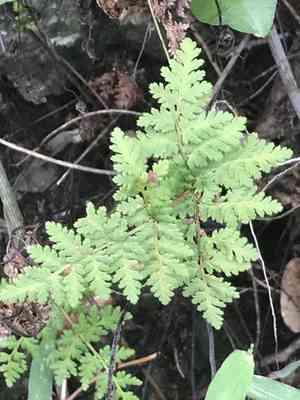
This fern is recognized for its intricate, finely segmented leaves. Trimming kaulfuss' lipfern ought to concentrate on eliminating withered or compromised fronds to foster vigor and enhance air circulation surrounding the specimen. The most suitable time for pruning is from late spring to early summer, steering clear of autumn to avoid harming nascent growth. Consistent trimming boosts visual attractiveness and diminishes the likelihood of illness. A careful approach is necessary to avert harm to the delicate fronds.
Advantages of Trimming kaulfuss' lipfern
Advantages of Trimming kaulfuss' lipfern
Trimming kaulfuss' lipfern encourages robust development and maintains its decorative form. Consistent cutting helps revitalize its leaves and ensures the fern stays compact and appealing.
Optimal Time for Trimming kaulfuss' lipfern
Optimal Time for Trimming kaulfuss' lipfern
Trimming kaulfuss' lipfern during Spring, Summer, and Fall aligns with its active growth periods, enabling the plant to recover and regrow more effectively. In Spring, trimming aids in stimulating new growth and enhances the health and look of kaulfuss' lipfern as it exits dormancy. Summer trimming is useful for managing its size and removing any dead or diseased fronds, ensuring energy is directed towards healthy development. Fall trimming prepares kaulfuss' lipfern for dormancy by eliminating old or spent fronds, which can help prevent disease and pest accumulation over winter. Avoid winter trimming, as the plant is dormant then, and cuts will not heal quickly, potentially leading to stress and harm.
Necessary Tools for Trimming kaulfuss' lipfern
Micro-tip pruning snips
Perfect for precise cuts on kaulfuss' lipfern, allowing gardeners to trim delicate fronds without harming nearby foliage. This tool is especially useful for maintaining kaulfuss' lipfern's shape and removing dead or damaged fronds.
Soft-grip shears
These shears are suitable for cutting thicker fronds or more robust sections of kaulfuss' lipfern. The soft grip reduces hand fatigue, making it easier to manage kaulfuss' lipfern during longer trimming sessions.
Gloves
Though not a direct trimming tool, wearing gloves is crucial when handling kaulfuss' lipfern to shield hands from any rough edges of the plant's structure.
How to Trim kaulfuss' lipfern
Identify
Locate the diseased and dead parts on kaulfuss' lipfern. Carefully inspect kaulfuss' lipfern for any leaves showing signs of illness, such as unusual spots or discoloration, and any branches that are clearly dead or damaged.
Disinfect
Sanitize your trimming tools before starting and between cuts on different plants. This helps prevent the spread of disease from infected parts of kaulfuss' lipfern to healthy ones or to other plants in your garden.
Trim leaves
Carefully trim diseased and withered leaves using sharp and clean pruning shears. Make precise cuts at the base of each leaf to avoid tearing, which can provide an entry point for pathogens.
Trim branches
Remove dead and diseased branches by making cuts close to the main stem. Ensure cuts are made at a slight angle to prevent water accumulation on the cut surface, which can lead to decay.
Clean up
Clear away all removed material from around kaulfuss' lipfern to prevent any disease from reoccurring or spreading. Dispose of the waste properly, ideally by burning diseased and dead material if permitted.
Common Trimming Errors with kaulfuss' lipfern
Excessive trimming
Trimming too much of kaulfuss' lipfern at once can stress the plant, potentially leading to reduced vigor and sparse foliage. Removing more than one-third of the plant at a time is generally not recommended.
Incorrect tool use
Using dull or unclean trimming tools can harm the delicate fronds of kaulfuss' lipfern, leading to frayed edges and increasing the risk of disease.
Cutting old growth
Removing old growth indiscriminately can hinder kaulfuss' lipfern's ability to flourish. Old growth often serves as a support structure for new shoots.
Ignoring dead fronds
Failing to regularly remove dead or damaged fronds can impede the growth of healthier parts of kaulfuss' lipfern, as these non-viable parts can harbor pests or disease.
General Trimming Advice for kaulfuss' lipfern
Sharp tools
Ensure the use of sharp, clean trimming shears. This helps make clean cuts that heal faster and reduce the chance of disease entry.
Selective trimming
Focus on thinning rather than top-down cutting. Selectively remove parts of kaulfuss' lipfern that are overcrowded, dead, or diseased to encourage better air circulation and light penetration.
Stimulate growth
Target your cuts to just above leaf nodes to stimulate new growth in desired directions, enhancing kaulfuss' lipfern's shape and density.
Routine maintenance
Conduct regular checks and light trimming sessions to manage growth and health, rather than extensive, infrequent trimming sessions. This gradual approach helps maintain the plant’s form and vigor without causing shock.



