How to Prune Hardy fuchsia?
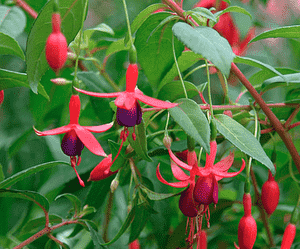
Celebrated for its drooping, tear-shaped blossoms, resilient fuchsia flourishes with judicious trimming. Sever branches just above a foliar node or nascent shoot, eliminating lifeless or frail stalks to foster vigorous development. The period of pruning is crucialâundertake this task in early spring or throughout winter while the plant is inactive. Deliberate pruning improves air circulation, diminishes the likelihood of ailments, and amplifies flowering for a spectacular presentation. Emphasize shaping for visual appeal and the plant's well-being.
What Are the Benefits of Pruning Hardy Fuchsia?
What Are the Benefits of Pruning Hardy Fuchsia?
Trimming hardy fuchsia promotes abundant flowering and deters pests and diseases by eliminating dead or unhealthy wood, enhancing air circulation and sunlight exposure.
What Is the Best Time for Pruning Hardy Fuchsia?
What Is the Best Time for Pruning Hardy Fuchsia?
Trimming in early spring allows hardy fuchsia to recover swiftly as it marks the start of its active growth phase, ensuring the plant's energy is directed towards developing new shoots and blossoms. Winter pruning, ideally when the plant is dormant, aids in removing dead or diseased wood and shaping the plant without causing stress, as it is not focused on active growth or blooming at this time. This timing helps foster robust growth and plentiful flowers in the subsequent season.
What Tools Do I Need to Prune Hardy Fuchsia?
Hand Pruners
For precise cuts on hardy fuchsia's smaller branches, typically under 1/2 inch in diameter, top-quality bypass hand pruners are perfect. These create clean cuts that heal quickly, minimizing potential harm to the plant.
Loppers
When dealing with thicker stems up to 1 1/2 to 2 inches in diameter on hardy fuchsia, loppers provide the necessary leverage. Bypass loppers are recommended for their clean-cutting action, which is crucial for the plant's well-being.
Pruning Saw
For mature hardy fuchsia specimens that have developed woody stems exceeding 2 inches in diameter, a pruning saw is essential. It allows for cutting without damaging surrounding branches and ensures clean cuts on larger stems.
Garden Shears
When shaping hardy fuchsia or trimming softer foliage, garden shears are useful. They enable gardeners to sculpt the plant and thin out overgrown areas. Always ensure shears are sharp to prevent tearing and to allow for healthy regrowth.
Gloves
Hand protection for the gardener is vital when pruning hardy fuchsia due to the potential for thorns and the plant's sometimes delicate stems, which can cause hand strain during extensive pruning tasks.
How to Prune Hardy Fuchsia
Step1: Timing for Pruning
Wait until the danger of frost has passed in spring before beginning to prune hardy fuchsia. Pruning at an inappropriate time can expose the plant to damage from cold temperatures.
Step2: Sanitize Pruning Tools
Disinfect your pruning shears with rubbing alcohol or a bleach solution to prevent the spread of disease among plants.
Step3: Remove Dead Wood
Begin by removing any dead wood. Identify branches that appear brown, shriveled, and dry. Make cuts close to the base of hardy fuchsia, where dead wood meets healthy tissue, or back to the main stem. Avoid leaving stubs as they can become sites for disease.
Step4: Thin Out Weak Shoots
Thin out weak shoots, which are typically slender and spindly, to enhance air circulation and light penetration. Cut these shoots back to a set of strong and healthy leaves or to a main branch, ensuring your cuts are at a 45-degree angle to encourage water runoff and reduce the risk of disease.
Step5: Deadhead Spent Flowers
Trim old flowers once they have finished blooming to encourage new growth and more blossoms. Snip off the spent flower just above the next set of leaves or a growth node.
Step6: Shape Plant Form
If needed, shape hardy fuchsia by trimming longer branches to maintain a balanced form. However, be careful not to over-prune as this can reduce flowering. As a general guideline, do not remove more than one-third of the entire plant in a single season.
Step7: Clear Pruning Debris
Rake up and remove all pruned offcuts from around hardy fuchsia to prevent the spread of pests and diseases that can thrive on decaying plant material.
Step8: Water Plant Post-Pruning
Water hardy fuchsia thoroughly after pruning to aid its recovery and reduce stress on the plant.
Step9: Fertilize After Pruning
Apply a balanced, all-purpose fertilizer following pruning to provide hardy fuchsia with the nutrients needed for healthy regrowth.
Post-Pruning Care for Hardy Fuchsia
Post-Pruning Care for Hardy Fuchsia
After trimming hardy fuchsia, immediately water the plant to promote recovery. Place hardy fuchsia in a location with filtered sunlight and maintain moderate humidity and temperatures, avoiding extremes. Apply a balanced liquid fertilizer to support new growth. Regularly check for signs of stress, such as wilted leaves or stem discoloration, and treat as necessary. Keep the soil consistently moist, but not waterlogged, to foster a healthy root system during this crucial period of regrowth.
Common Pruning Mistakes with Hardy Fuchsia
Improper Cutting on Old Wood
Cutting into old wood where there is no indication of new growth. Pruning back too far can harm hardy fuchsia, as it may not regenerate from old, mature wood.
Excessive Pruning Overstressing Plant
Over-pruning or removing too much foliage at once, which can stress hardy fuchsia and result in a weakened plant that produces fewer blooms.
Using Dull or Dirty Tools
Employing dull or unclean cutting tools, which can damage stems and introduce diseases to hardy fuchsia.
Ignoring Dead or Diseased Wood
Neglecting to remove dead or diseased wood, which can impede hardy fuchsia's growth and lead to further health issues.
Pruning Without a Plan
Trimming without a clear objective or strategy, which can result in an undesirable shape and fewer flowers.
Random Snipping
Snipping at arbitrary intervals, rather than making cuts just above leaf joints or buds, can result in unsightly and unproductive growth.
Common Pruning Tips for Hardy Fuchsia
Sharp, Clean Cuts with Pruning Shears
Use sharp, clean pruning shears to make precise cuts. This helps to prevent disease and encourages quicker healing for hardy fuchsia.
Thin Out Crowded Branches
Focus on thinning out any crowded branches to improve air circulation and light penetration, vital for hardy fuchsia's overall health and blooming potential.
Deadhead for Continuous Blooming
Regularly deadhead, or remove spent flowers, to encourage hardy fuchsia to produce new blooms and prolong the flowering season.
Prune After Flowering for Shape Control
Prune for shape and size control after the main flowering period, which helps maintain an attractive form and promotes vigorous growth.
Angle Cuts for Water Runoff
Always make your cuts at a 45-degree angle, which helps shed water away from the cut end and reduces the risk of rot or disease.
Cut Back to Healthy Leaves or Nodes
Cut back to a healthy set of leaves or a growth node to encourage new shoots to grow in a desirable direction.



