How to Prune Crown imperial?
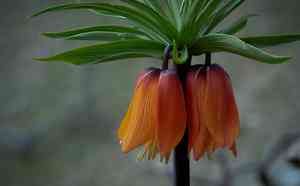
Celebrated for its impressive spire of campanulate blossoms, Fritillaria imperialis flourishes with minimal trimming, enhancing its vitality and robustness. Following flowering, eliminate faded blooms to hinder seed development. During early spring or late autumn, snip away any deceased or compromised leaves to stimulate vigorous development. Since Fritillaria imperialis is a bulb-forming plant, permit its foliage to wither organically for optimal nutrient uptake. The advantages of pruning encompass fostering more substantial flowers and averting ailments.
What Are the Benefits of Pruning Crown Imperial?
What Are the Benefits of Pruning Crown Imperial?
Trimming crown imperial promotes more vibrant blossoms, stimulates growth, and helps maintain its distinctive shape, all contributing to a healthier and more attractive plant.
What Is the Best Time for Pruning Crown Imperial?
What Is the Best Time for Pruning Crown Imperial?
The ideal periods for pruning or trimming crown imperial are early spring before new growth starts and in late fall after the plant has gone dormant. In early spring, crown imperial is still inactive, making it less vulnerable to stress and diseases that can be introduced through pruning cuts. This timing also allows for the removal of any winter damage before the emergence of new growth. In late fall, the leaves and stems of crown imperial have typically withered after flowering and seed dispersal, and the plant has entered a dormant phase. Trimming at this time can help prevent disease and prepare crown imperial for the upcoming growing season. It also aids in maintaining plant shape and vigor by removing old or damaged tissue that can harbor pests and diseases. Pruning during active growth or blooming periods can deplete the plant's energy reserves and reduce the next season's flower display, which is why it is not recommended.
What Tools Do I Need to Prune Crown Imperial?
Secateurs
Suitable for trimming and deadheading crown imperial, ensuring precise cuts that help prevent damage to the bulb and surrounding foliage.
Gloves
Essential for protection when handling crown imperial, as the plant can have sap that is a skin irritant.
Sharp Knife
Useful for dividing crown imperial bulbs or making clean cuts when necessary, which promotes healthy regrowth and reduces the risk of disease.
Pruning Saw
Applicable when dealing with older or woodier crown imperial stems that are too thick for secateurs to handle effectively.
Garden Fork
Used for loosening soil around crown imperial during the division of bulbs, which helps avoid damage to the bulb and roots.
Disinfectant
Recommended for cleaning tools before and after pruning crown imperial to prevent the spread of pathogens.
How to Prune Crown Imperial
Step1: Timing for Post-Bloom Pruning
Wait for the appropriate time to prune crown imperial, which is immediately after the blooming period when the flowers have withered. Pruning too early or too late can affect the plant's blooming cycle for the next year.
Step2: Pruning Tool Preparation
Prepare your pruning tools by ensuring they are sharp and clean. This helps prevent the spread of disease and makes cleaner cuts that are easier for crown imperial to heal.
Step3: Dead Flower Identification
Identify the dead flowers on crown imperial. These will typically be brown and wilted, located at the top of the stem.
Step4: Deadhead Flowers Carefully
Using your pruning shears, snip off the dead flowers. Cut right at the base of the flower where it meets the stem, taking care not to damage the foliage below, as leaves are necessary for photosynthesis to replenish the bulb.
Step5: Weak Stem Identification
Examine crown imperial for weak stems that may be unable to support flowers next season or are detracting from the plant's appearance. Weak stems may appear thinner, paler, or not as upright as healthy ones.
Step6: Weak Stem Removal
Prune the weak stems by cutting them at the base, near the soil level. Ensure your cuts are clean and angled to allow water to run off and reduce the risk of disease.
Step7: Disposal of Pruning Debris
Collect the trimmed parts and dispose of them properly, away from crown imperial, so as not to attract pests or disease to the healthy parts of the plant.
Step8: Post-Pruning Mulching
After pruning, apply a light layer of mulch around crown imperial to help maintain soil moisture and temperature stability.
Step9: Watering After Pruning
Water crown imperial thoroughly after pruning, as this helps the plant recover and encourages it to direct energy to the remaining, healthy growth.
Step10: Post-Pruning Plant Monitoring
Monitor crown imperial for signs of stress after pruning and adjust care as necessary, such as providing additional water during dry periods or shielding from intense afternoon sun.
Step11: Record Pruning Details
Record the pruning date and any observations to inform future care practices for crown imperial, as well as to develop a tailored pruning schedule based on the plant's response.
Post-Pruning Care for Crown Imperial
Post-Pruning Care for Crown Imperial
Immediately after pruning crown imperial, ensure it is well-watered to reduce stress. Maintain a stable environment; aim for partial sun, moderate humidity, and a temperature range of 50-70°F. Apply a balanced, slow-release fertilizer to support recovery. Regularly inspect for signs of distress such as wilting or discoloration. If symptoms of infection appear, treat promptly with appropriate fungicides or insecticides. Consistent care encourages crown imperial's healthy regrowth.
Common Pruning Mistakes with Crown Imperial
Over-pruning reduces energy storage
Excessive pruning can damage crown imperial, as it may reduce its ability to store energy for the following season.
Improper timing of leaf pruning
Pruning the leaves immediately after blooming instead of waiting for them to yellow and wither naturally, which can deprive crown imperial of important nutrients.
Cutting flower spikes too close to base
Cutting flower spikes too close to the base may risk damaging the underlying bulb or new shoots of crown imperial.
Not removing spent flowers to save energy
Neglecting to remove spent flowers, which can lead to unnecessary energy expenditure on seed production rather than the next year's growth.
Risk of disease with unsterilized tools
Using unsterilized tools, which increases the risk of transmitting diseases to crown imperial.
Common Pruning Tips for Crown Imperial
Let foliage die back naturally for nutrients
Allow the foliage of crown imperial to die back naturally, providing the bulbs with the necessary nutrients for the next season's growth before removing it.
Remove withered flower stems at base
Remove only the spent flower stems once they have withered, cutting them back to the base to prevent disease and maintain aesthetics.
Use clean, sharp tools to minimize disease
Ensure pruning tools are clean and sharp to make clean cuts and reduce the risk of disease transmission.
Deadhead after flowering, preserve leaves
After flowering, deadhead the spent blooms to redirect energy into the bulb rather than seed production, but do not remove any leaves until they have turned yellow.
Avoid cutting healthy emerging bulb shoots
While removing dead or diseased tissue, be cautious to avoid cutting healthy bulb shoots that may be emerging near the dying foliage.



