How to Prune Pumpkin ash?
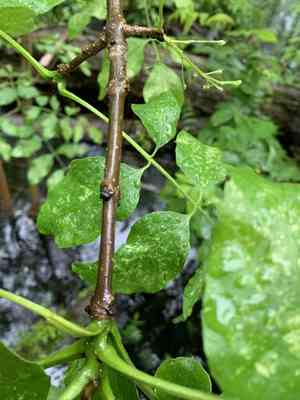
Recognized for its substantial, winged seeds, pumpkin ash benefits most from pruning in late winter to early spring, prior to the emergence of new foliage. Pruning efforts should concentrate on excising deceased or compromised limbs, reducing crowded sections to enhance light access and air movement, and sculpting the canopy to preserve its vitality and form. This specific period enables pumpkin ash to recover without drawing in insects that are prevalent during warmer seasons. Refrain from extensive pruning, as it can cause stress to the tree and result in abundant suckering.
Advantages of Trimming Pumpkin Ash
Advantages of Trimming Pumpkin Ash
Trimming pumpkin ash is essential for encouraging robust development and preserving its desired form. Strategic cutting promotes new, strong branches and an appealing shape, ensuring pumpkin ash flourishes and reaches its full potential.
Optimal Period for Pruning Pumpkin Ash
Optimal Period for Pruning Pumpkin Ash
Pruning pumpkin ash in late winter and early spring aligns with its dormant period before new growth begins. This timing allows for the removal of dead or damaged limbs without depleting the plant's energy reserves. It also helps prevent the spread of diseases and pests, which are less active in colder weather. Pruning before spring growth ensures quick healing, directing the plant's energy toward producing new, healthy growth instead of sustaining unnecessary branches. Additionally, without leaves, the structure is clearer, allowing for precise cuts. This timing avoids cutting off flower buds set to bloom in subsequent seasons, preserving the plant's aesthetic and reproductive capabilities.
Tools Required for Pruning Pumpkin Ash
Bypass Pruners
Perfect for cutting small branches up to 3/4 inch in diameter, ensuring a clean cut that encourages healthy regrowth in pumpkin ash.
Loppers
Needed for trimming larger branches, typically between 3/4 inch and 2 inches in diameter. Their extended handles provide leverage for clean cuts without harming pumpkin ash.
Pruning Saw
Recommended for branches exceeding 2 inches in diameter. Saws enable cutting through thick wood without causing undue stress to pumpkin ash.
Pole Pruner
Useful for reaching higher branches without a ladder, helping to safely maintain the natural shape of pumpkin ash from the ground.
Hedge Shears
Suitable for shaping hedges and removing multiple thin stems simultaneously, which may be necessary when pumpkin ash is used in a formal garden setting.
Method for Pruning Pumpkin Ash
Sanitization
Before pruning pumpkin ash, sanitize all pruning tools with a bleach or alcohol solution to prevent disease transmission.
Identification
Inspect pumpkin ash for dead or diseased branches. Dead branches typically appear dry, brittle, and lack green, living tissue when lightly scratched.
Cuts
Make clean cuts using sharp, appropriately sized pruning shears or saws. For dead branches, cut where they meet healthy wood, angling the cut away from the trunk to promote proper healing.
Diseased Branches
For diseased branches, prune several inches into healthy tissue to ensure all affected parts are removed. Dispose of the diseased material immediately to prevent re-infection.
Cleanup
After pruning, clear all removed branches and debris from around pumpkin ash to deter pests and diseases. Re-sterilize pruning tools before storing or using on another plant.
Common Pruning Errors with Pumpkin Ash
Over-pruning
Removing excessive foliage, which can stress pumpkin ash and diminish its vitality.
Improper cuts
Cutting too close or too far from the main trunk can lead to disease and poor healing.
Topping
Severing the top of the tree can destroy pumpkin ash's natural shape and result in weak growth patterns.
Ignoring deadwood
Failing to remove dead or damaged branches can attract pests and diseases.
Random cuts
Pruning without a clear strategy can lead to uneven growth and an unbalanced tree structure.
Using dull tools
Dull pruning tools can damage branches, causing tears and increasing the risk of disease.
Flush cuts
Making cuts flush against the trunk can remove the branch collar, impeding proper healing.
General Pruning Advice for Pumpkin Ash
Sharp tools
Always use sharp, clean pruning shears or saws to make precise cuts, which helps pumpkin ash heal more effectively.
Selective pruning
Focus on removing only essential branches, such as dead, diseased, or crossing ones, to maintain the health and structure of pumpkin ash.
Proper angle
Make cuts at a 45-degree angle to allow water to drain and promote healing.
Branch collar
Cut just outside the branch collar, without leaving a stub, to encourage proper healing and prevent disease.
Thinning
Thin the canopy to improve air circulation and light penetration, which can help reduce disease risk and promote better foliage.
Assess structure
Regularly evaluate the tree's structure to help maintain a strong central leader and good branch spacing for pumpkin ash.
Safety first
Always prioritize safety by wearing protective gear and ensuring you are not pruning in hazardous conditions, such as near power lines.



