How to Prune Green ash?
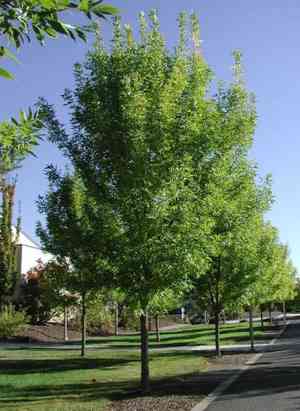
A broadleaf tree that sheds its leaves, highly valued for its versatility and autumn hues, green ash benefits significantly from trimming to improve its form and vitality. Key methods involve excising dead or ailing branches, alleviating congestion in dense areas, and diminishing the crown's volume to refine its architecture. The most opportune period for pruning is from late winter to early spring while the tree is inactive, which encourages robust development. Important points include refraining from making excessively large cuts, as green ash exhibits vulnerability to rot. Trimming not only preserves its visual appeal but also strengthens its defense against infestations and illnesses.
Advantages of Trimming Green Ash
Advantages of Trimming Green Ash
Trimming green ash promotes robust development and assists in maintaining its desired form. Regular cutting can prevent excessive growth, allowing sunlight to reach internal branches for a healthier plant.
Optimal Time for Trimming Green Ash
Optimal Time for Trimming Green Ash
Trimming green ash in late winter or early spring is best as the plant remains dormant, minimizing stress and disease transmission risk. This timing also facilitates rapid wound healing with spring growth, fostering a strong, healthy structure. Furthermore, branch structure is more visible without leaves, enabling more strategic cuts that benefit the plant's growth cycle and overall health. Pruning before the plant expends energy on leafing out ensures resources are directed towards healing and new growth, rather than supporting damaged or unnecessary limbs.
Required Tools for Trimming Green Ash
Hand Pruners
For small branches of green ash, typically under 1 inch in diameter, hand pruners offer clean cuts and are easy to handle for shaping and maintaining the tree's structure.
Lopping Shears
These are perfect for branches with a diameter of 1.5 to 2 inches. The extended handles of lopping shears provide leverage to cut through thicker branches of green ash with greater ease.
Pruning Saw
When dealing with branches over 2 inches thick, a pruning saw is essential. The saw's teeth are designed to cut through the wood of green ash without causing undue stress to the plant.
Pole Pruner
For higher branches of green ash that are out of reach, a pole pruner features an extendable handle, allowing you to prune without needing a ladder.
Hedge Shears
While not typically used for green ash, hedge shears can be effective for shaping hedges made from young and small green ash specimens with multiple small stems grouped together.
How to Trim Green Ash
Step1: Inspect Plant for Dormant Pruning
Begin by examining green ash during its dormant period, usually late winter to early spring, to identify dead wood, suckers, and damaged limbs for removal.
Step2: Prepare Sharp Pruning Tools
Clean and sharpen pruning tools before starting to ensure precise cuts that will heal quickly. Use bypass pruners for small branches, loppers for medium-sized limbs, and a pruning saw for larger branches.
Step3: Remove Dead Wood
Start pruning by removing all dead wood. Look for branches that lack buds, have dry and brittle bark, or show signs of decay. Cut dead branches back to the point where there is healthy wood, just above a live bud or branch junction.
Step4: Eliminate Suckers from Roots/Trunk
Identify and remove suckers, which are vigorous vertical growths that emerge from the rootstock or lower trunk of green ash. Cut these as close to their origin as possible without harming the main trunk or roots.
Step5: Prune Damaged Limbs
Prune any damaged limbs next. Remove branches that are broken, show signs of disease, or have been harmed by weather-related events. Make cuts just above the branch collar without leaving a stub.
Step6: Thin Canopy for Air and Light
After removing the undesirable parts, assess the overall shape of green ash. Thin out the canopy to increase light penetration and air circulation by removing select interior branches using thinning cuts, which is cutting the branch back to another branch or the trunk.
Step7: Angle Cuts for Water Runoff
When making each cut, angle your cutting tool so that the resulting wound is facing downwards to prevent water accumulation and promote faster healing.
Step8: Dispose of Pruning Debris
Dispose of all removed material appropriately to prevent the spread of pests or diseases.
Step9: Clean Tools Post-Pruning
After pruning, clean all tools again to prevent the transmission of any potential diseases between plants.
Step10: Monitor Plant Health Post-Prune
Monitor green ash for signs of stress or disease following pruning and provide water and nutrients as needed to support recovery and regrowth.
Aftercare for Green Ash Post-Pruning
Aftercare for Green Ash Post-Pruning
Immediately after trimming green ash, ensure the cuts are clean to support healing. Provide ample water, but avoid oversaturation. Position green ash to receive full sunlight and maintain moderate humidity to aid recovery. Adjust temperatures to avoid extreme conditions. Implement a balanced fertilization regimen, using a slow-release formula to promote robust growth. Regularly inspect green ash for wilting, discoloration, or signs of infection. If symptoms are detected, promptly apply appropriate fungicides or insecticides and adjust care practices to mitigate stress and facilitate robust recovery.
Common Trimming Errors with Green Ash
Disregarding Plant's Natural Form
Disregarding the natural form of green ash can result in an aesthetically unpleasing appearance and disrupt the plant's natural growth patterns, which can affect the overall health of the tree.
Excessive Trimming and Foliage Removal
Excessive trimming or removing too much foliage at once can stress green ash, potentially leading to reduced vigor and increased vulnerability to pests and diseases.
Incorrect Trimming Cuts
Making incorrect cuts, such as leaving stubs or cutting too close to the trunk, can cause unnecessary wounds on green ash, impede healing, and invite decay or infection.
Not Sanitizing Tools Between Cuts
Neglecting to sanitize pruning tools between cuts and different trees can spread diseases to green ash, damaging the tree's health.
General Trimming Advice for Green Ash
Utilize Sharp, Clean Pruning Tools
Utilize sharp, clean pruning tools to make precise cuts on green ash that will heal more quickly, reducing the risk of disease and promoting faster recovery for the tree.
Adhere to '1/3 and 1/4' Trimming Guidelines
Follow the '1/3 and 1/4' rules for green ash: never remove more than 1/3 of the tree's crown in a season and when thinning branches, keep lateral branches, which should be at least 1/4 the diameter of the branch they're connected to.
Cut Outside the Branch Collar
Identify the branch collar on green ashâthe swollen area of tissue at the base of a branchâand make your cuts just outside this area to promote proper healing without damaging the trunk.
Remove Dead or Diseased Branches First
Remove dead, diseased, or crossing branches from green ash first, as these can inhibit growth and compromise the tree's structure.
Corrective Trimming for Single Leader Growth
Focus on corrective trimming for green ash, which includes removing or reducing the length of competing leaders to encourage a single, strong leader for optimal tree health and stability.



