How to Prune Manchurian ash?
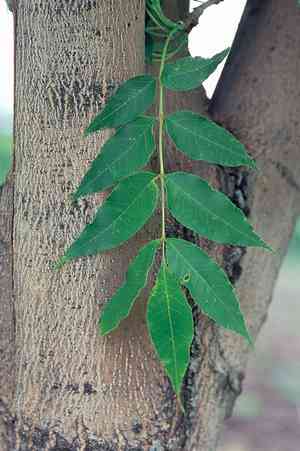
Recognized for its striking fall coloration and intricate limb arrangement, manchurian ash flourishes with consistent upkeep. Essential trimming methods involve reducing dense branches, eliminating deceased or ailing wood, and sculpting for visual appeal or structural integrity. The most favorable time for pruning is in late winter or early spring, prior to the emergence of new shoots. For manchurian ash specifically, pruning enhances light penetration and air movement throughout the crown, thereby averting typical ash ailments and fostering robust, energetic development.
Advantages of Trimming Manchurian Ash
Advantages of Trimming Manchurian Ash
Trimming manchurian ash promotes robust new development and helps maintain its desired shape. Regular cutting eliminates weak limbs, ensuring a strong framework and visual appeal.
Optimal Period for Pruning Manchurian Ash
Optimal Period for Pruning Manchurian Ash
Pruning manchurian ash in late winter and early spring is advisable, as this precedes the typical spring growth surge. This timing allows pruning wounds to heal quickly with new growth, reducing disease or pest risk. Late winter pruning also avoids cutting new buds set for spring, ensuring the plant's vitality and healthy seasonal growth. Additionally, the plant's dormant state simplifies structural assessment and branch removal decisions. Avoid pruning manchurian ash in late spring or summer during active growth, as this can stress the plant and hinder its growth potential. Furthermore, fall pruning should be avoided as cuts heal slower, and new growth might be damaged by winter's onset.
Required Tools for Pruning Manchurian Ash
Hand Pruners
For precise cuts on young shoots and small branches of manchurian ash, utilize hand pruners (secateurs). Choose bypass pruners for clean, healthy cuts, vital for the plant's recovery.
Lopping Shears
Manchurian ash may develop thicker branches (1-2 inches in diameter) necessitating lopping shears. These provide greater leverage for cutting larger branches without overstressing the plant.
Pruning Saws
For mature manchurian ash specimens with branches exceeding 2 inches in diameter, employ a pruning saw. A sharp saw ensures clean cuts that heal effectively, preventing potential entry points for disease.
Pole Pruner
For elevated branches on manchurian ash that are out of safe reach from the ground, pole pruners are indispensable. They allow gardeners to maintain the tree's form and remove potentially hazardous limbs.
Hedge Shears
If maintaining a specific shape or hedge with manchurian ash, hedge shears can provide a uniform finish to the foliage. However, for larger individual branches, switch to lopping shears or a pruning saw.
Pruning Gloves
Protecting the gardener's hands is crucial when pruning manchurian ash. Durable gloves prevent cuts and blisters and shield against potential irritants in the plant's sap.
Method for Pruning Manchurian Ash
Clean
Before beginning, clean and sanitize all pruning tools to prevent disease transmission to or from manchurian ash.
Identify
Thoroughly inspect manchurian ash to pinpoint dead or diseased branches, often indicated by discoloration, brittle bark, or fungal presence.
Cut Dead Branches
Using sharp tools, cut dead branches back to their origin point or to a healthy lateral branch. Ensure cuts are clean and angled to prevent water accumulation.
Remove Diseased Branches
Carefully remove diseased branches by cutting several inches into healthy wood to ensure no diseased tissue remains on manchurian ash.
Dispose
After pruning, discard removed dead and diseased material away from healthy plants to avoid contamination. Clean tools again post-process.
Common Pruning Errors with Manchurian Ash
Over-Pruning
Removing excessive foliage from manchurian ash can stress the tree, affecting its growth and photosynthetic capacity.
Improper Cuts
Making cuts too close to the trunk or leaving too large a stub can lead to infections and decay in manchurian ash.
Topping
Severing the tree's top encourages weak, unstable growth and can severely damage manchurian ash's natural structure.
Neglecting To Sanitize Tools
Failing to clean pruning tools between uses can spread disease to healthy parts of manchurian ash or to other plants.
Ignoring Deadwood
Not regularly removing dead or dying branches could lead to pest infestations and disease in manchurian ash.
General Pruning Advice for Manchurian Ash
Sharp Tools
Utilize sharp and appropriate pruning tools for clean cuts that will heal quickly and minimize damage to manchurian ash.
Judicious Cuts
Prune sparingly and strategically, aiming to remove only dead, diseased, or crossing branches to maintain manchurian ash's health.
Correct Angle
Make cuts at a 45-degree angle away from the bud to encourage proper healing and prevent water accumulation on the wound.
Branch Collar
Cut just outside the branch collar without damaging it, to speed up manchurian ash's healing process and avoid disease.
Crown Thinning
Thin the crown of manchurian ash to promote better air circulation and light penetration, boosting overall health and vigor.



