How to Prune European ash?
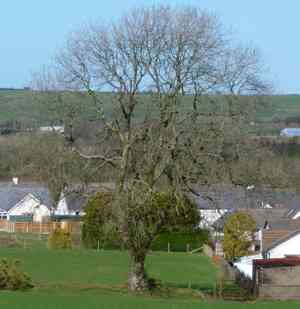
Celebrated for its impressive height and composite foliage, european ash necessitates judicious trimming to preserve its well-being and configuration. Concentrate on excising branches that are deceased, ailing, or intersecting. Perform pruning during the initial part of spring or the latter part of winter to stimulate robust development. Reducing the density of the crown enhances light access and airflow, thereby boosting general vigor. Avoid making too many cuts to safeguard the distinctive shape of this hardy variety. This precise method guarantees a sturdy framework, averting potential deterioration and fostering extended life.
What Are the Benefits of Pruning European Ash?
What Are the Benefits of Pruning European Ash?
Trimming european ash encourages robust development by eliminating dead or diseased wood, improving air circulation and light exposure. Regular shaping of european ash manages its size and ensures a strong structure, lowering the risk of storm damage.
What Is the Best Time for Pruning European Ash?
What Is the Best Time for Pruning European Ash?
During late winter, european ash's dormant period, the absence of leaves allows for clear sight of the structure, enabling precise cuts and minimal stress on the tree. Early spring pruning aligns with the start of european ash's growth cycle, promoting healing and vigorous growth before energy is directed to leaf production. These seasons prevent disruption to european ash's health and flowering or fruiting times, which could lead to reduced vitality or increased susceptibility to pests and diseases.
What Tools Do I Need to Prune European Ash?
Hand Pruners
Perfect for making neat cuts on smaller branches of european ash, typically under 3/4 inch in diameter. Preferred for detailed trimming and maintaining the plant's form.
Loppers
Featuring long handles, these provide the leverage needed to cut thicker branches, usually up to 2 inches in diameter, ensuring healthy growth and structure.
Pruning Saw
Essential for removing larger branches exceeding 2 inches in diameter. A pruning saw helps control the size and enhance air circulation within the canopy of european ash.
Pole Pruner
Enables safe trimming of higher branches without ladders, helping maintain european ash's health while ensuring gardener safety.
Hedge Shears
Useful for shaping hedges made from european ash, especially for creating formal designs and straight lines.
Pruning Secateurs
Beneficial for more delicate work on european ash, such as thinning out small twigs to boost light penetration and airflow.
How to Prune European Ash
Step1: Timing of Pruning
Determine the optimal time for trimming european ash, typically from late winter to early spring before bud break. This timing helps prevent potential disease spread and allows wounds to heal prior to the growing season.
Step2: Pruning Tool Preparation
Gather the necessary implements for the trimming task, including sharp bypass pruners, loppers, and a pruning saw. Ensure all tools are clean and sanitized to inhibit the spread of diseases.
Step3: Dead Wood Inspection
Examine european ash to locate all dead wood. Dead branches will be brittle, lack live buds, and often appear darker than living wood.
Step4: Dead Wood Removal
Remove dead wood by cutting just above a healthy bud, branch collar, or lateral branch. Avoid cutting into the branch collar as it is crucial for proper healing. Use bypass pruners for smaller branches and a pruning saw for larger ones.
Step5: Diseased Limbs Identification
Identify any diseased limbs on european ash by looking for signs of discoloration, unusual growths, wounds, or leaves that are misshapen or dropping prematurely.
Step6: Diseased Limbs Removal
Carefully remove diseased limbs by cutting at least several inches below the affected sections. If the entire limb is diseased, remove it at its point of origin or back to a main lateral branch.
Step7: Broken Branches Inspection
Check european ash for any broken branches, which may have resulted from weather events or physical damage. Broken branches can lead to disease and pest infestations if neglected.
Step8: Broken Branches Pruning
Trim broken branches cleanly just above a lateral branch or bud, or back to the trunk without leaving stubs. Ensure cuts are made away from the main trunk to prevent bark tearing.
Step9: Pruning Debris Disposal
Dispose of all removed material promptly and appropriately. Do not compost diseased limbs as the disease may spread to other plants.
Step10: Tool Cleaning and Disinfection
After pruning, clean and disinfect all tools to prevent the spread of disease to other plants in the garden.
Step11: Post-Pruning Monitoring
Monitor european ash after trimming for signs of disease or pests, and take appropriate action as needed to maintain plant health.
Post-Pruning Care for European Ash
Post-Pruning Care for European Ash
Following the trimming of european ash, promptly apply wound sealant to cuts to prevent disease. Position european ash to ensure adequate light but avoid harsh exposure. Maintain moderate humidity and stable temperatures to lessen stress. Fertilize with a balanced feed to aid recovery, avoiding excessive fertilization that can encourage weak growth. Observe european ash for wilting, discoloration, or oozing wounds, which are signs of stress or infection. If detected, apply appropriate fungicide or insecticide and adjust care as needed to promote health.
Common Pruning Mistakes with European Ash
Over-pruning
Removing too much at once, which can stress european ash and make it vulnerable to diseases and pests.
Improper cutting near trunk
Making cuts too close to the main trunk or parent branch, risking damage to the collar, which is vital for proper healing.
Leaving branch stubs
Leaving stubs after cutting branches, which can lead to decay and provide an entry point for pathogens.
Bark tearing from large branch removal
Tearing the bark when removing larger branches, which can harm european ash's health and appearance.
Using dull or dirty pruning tools
Employing unclean or dull tools, resulting in rough cuts that do not heal well and may spread disease.
Common Pruning Tips for European Ash
Use sharp, clean tools for clean cuts
Utilize sharp and clean pruning tools to make neat cuts that european ash can recover from more readily.
Three-cut method for large branches
When removing larger branches, use a three-cut method to prevent bark tearing: first, an undercut away from the branch collar, then a cut from the top down to remove the branch's weight, and finally a clean cut at the branch collar.
Prune dead or diseased branches
Focus on removing dead, diseased, or crossing branches, which will improve air circulation and light penetration to the inner parts of european ash.
Selective pruning to preserve natural form
Maintain the natural shape of european ash through selective pruning rather than shearing, which can lead to unnatural growth patterns and vulnerability to pests and diseases.
Proper cuts when reducing height or spread
When reducing the height or spread of european ash, make cuts to lateral branches that are at least one-third the diameter of the branch being removed to maintain a natural appearance and healthy growth.



