How to Prune California ash?
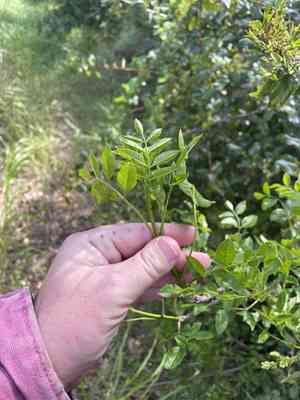
California ash, known for its white flowers and sturdy limbs, needs trimming mainly in late winter or early spring to encourage vigorous development and form. Eliminate any lifeless, ailing, or intersecting branches to avert illness and enhance air movement. Focus on preserving a dominant central stem and managing crowded sections to guarantee sunlight reaches all parts. Trimming california ash improves its structural soundness and decorative appeal, fostering a well-proportioned growth pattern. Adhere to these recommendations to sustain a thriving and attractive specimen.
What Are the Benefits of Pruning California Ash?
What Are the Benefits of Pruning California Ash?
Pruning california ash promotes vigorous development, maintains its form, boosts flowering, manages size, enhances appearance, and increases pest and disease resistance. This practice ensures the plant stays healthy and visually appealing.
What Is the Best Time for Pruning California Ash?
What Is the Best Time for Pruning California Ash?
Pruning in early spring or late winter is optimal for california ash as it aligns with its dormant period or the start of new growth. This timing reduces plant stress, lowers disease risk, and allows wounds to heal quickly before the active growing season. Additionally, pruning before new leaves and growth emerge directs the plant's energy towards robust development and blooming.
What Tools Do I Need to Prune California Ash?
Hand Pruners
Perfect for making clean cuts on small branches and new shoots. Use bypass pruners for live wood and anvil pruners for dead wood.
Loppers
Essential for cutting thicker branches up to 2 inches in diameter. Offers leverage and precision for larger cuts.
Pruning Saw
Suitable for removing larger branches too thick for hand pruners or loppers. A folding pruning saw is practical and effective.
Pole Pruner
Useful for reaching higher branches without a ladder. Allows for safe and accurate cutting from the ground.
Pruning Shears
Good for trimming smaller, finer branches and maintaining overall shape and health.
Sanitizing Solution
Crucial for disinfecting tools between cuts to prevent disease transmission. Use a 70% isopropyl alcohol solution or diluted bleach.
How to Prune California Ash
Assess
Examine california ash to find dead and diseased branches. Focus on areas with sparse or discolored foliage.
Cleantools
Clean and disinfect pruning tools to prevent disease spread between branches and plants. Use a mixture of one part bleach to nine parts water.
Prunedead
Remove dead branches first by cutting at their base, near the trunk or main limb. Ensure cuts are clean and smooth for quick healing.
Prunediseased
Trim diseased branches back to healthy wood, making cuts 12 inches below visible symptoms. Properly dispose of diseased material to avoid contamination.
Review
Inspect the plant after pruning to confirm no dead or diseased branches remain. Adjust cuts if needed for good shape and health of california ash.
Common Pruning Mistakes with California Ash
Incorrect technique
Using improper tools or dull blades, which can harm the plant and expose it to infections.
Over-pruning
Removing too much foliage, severely stressing the plant and hindering its growth and flowering.
Pruning at the wrong angle
Cutting branches at an incorrect angle, which may impede proper healing and new growth.
Heavy pruning too close to the trunk
Cutting branches too close to the trunk can damage the main stem and lead to poor structural integrity.
Neglecting to sanitize tools
Using unsanitized tools can transfer diseases between plants.
Common Pruning Tips for California Ash
Use sharp and clean tools
Always use sharp, clean pruning shears or loppers to make precise cuts and minimize damage.
Follow the natural shape
Aim to maintain and enhance the natural shape of california ash, avoiding drastic changes to its form.
Cut at the correct angle
Make cuts at a slight angle, just above a bud or a side branch to encourage healthy new growth.
Prune moderately
Remove dead, diseased, or crossing branches, but avoid cutting more than 30% of the plant's foliage at one time.
Sanitize tools
Clean your pruning tools with a disinfectant before and after use to prevent the spread of disease.



