How to Prune Chinese ash?
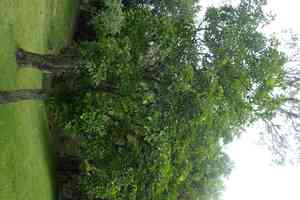
A deciduous tree valued for its abundant leaves and resilience to ailments, chinese ash thrives with appropriate trimming. Essential methods involve reducing dense branches and eliminating lifeless or ailing wood. The ideal period for pruning is from late winter to early spring, prior to the emergence of new shoots. Trimming during its dormant phase stimulates robust development and preserves the tree's structural soundness. Particular advantages encompass better air movement and increased light exposure, contributing to a more robust tree.
Advantages of Trimming Chinese Ash
Advantages of Trimming Chinese Ash
Trimming chinese ash promotes robust development and maintains its desired form. Strategic removal of dead or weak limbs fosters a strong structure and attractive shape.
Optimal Time for Pruning Chinese Ash
Optimal Time for Pruning Chinese Ash
Pruning chinese ash in late winter and early spring is recommended, as this period aligns with its dormancy before new growth emerges. This timing is ideal because the absence of leaves allows for better visibility of the plant's structure, and cuts are less likely to result in excessive sap loss, which can attract pests and diseases. Pruning before spring growth also ensures quicker wound healing, minimizing stress and injury risk to the plant. Avoiding the active growing season prevents disruption of flowering and fruiting cycles, contributing to the plant's overall health and vigor.
Tools Required for Pruning Chinese Ash
Hand Pruners
For trimming smaller branches of chinese ash, bypass hand pruners are perfect for making clean cuts that heal rapidly.
Loppers
For branches too thick for hand pruners, loppers offer the necessary leverage to prune chinese ash with diameters up to 1.5 inches.
Pruning Saw
For the largest branches of chinese ash, a pruning saw is crucial. It enables cutting through thick wood without harming the plant.
Pole Pruner
To safely reach higher branches of chinese ash, a pole pruner is advised. This reduces the need for ladders and ensures precise, controlled cuts.
Hedge Shears
When shaping the foliage of chinese ash, hedge shears allow for straight and even cutting across the hedge surface.
How to Prune Chinese Ash
Sanitization
Before beginning the pruning process, disinfect all pruning tools using a solution of 1 part bleach to 9 parts water to prevent disease spread to chinese ash.
Identification
Carefully inspect chinese ash for dead or diseased branches. Look for signs of discoloration, cracks, or branches that are brittle and no longer producing leaves.
Cutting
Using sharp, clean pruning shears or a saw, remove dead branches by cutting at a 45-degree angle just above a bud or side branch. For diseased branches, cut at least a few inches into healthy wood to ensure complete removal of diseased tissue.
Disposal
Immediately dispose of all severed branches, especially diseased material, to prevent any pathogens from spreading in the garden.
Wound Care
For larger cuts on chinese ash, apply tree wound paint to protect the exposed wood from pests and decay organisms, reducing infection chances after pruning.
Common Pruning Errors with Chinese Ash
Over-Pruning
Removing too much foliage from chinese ash can negatively impact its health and growth. It's crucial to prune no more than 25-30% of the canopy at once to avoid excessive stress.
Flush Cutting
Making cuts too close to the trunk, known as flush cutting, can damage chinese ash's natural protective barriers against disease. This error can lead to decay as the tree may struggle to heal properly.
Torn Bark
Improper cutting technique can result in torn bark, which can harm chinese ash by providing entry points for pests and diseases. Clean cuts are essential to promote quick and effective healing.
Improper Tool Use
Using dull or unsanitary tools can cause unnecessary damage to chinese ash's branches and may introduce infections. Clean, sharp tools are vital for precise cuts and disease prevention.
Wrong Cutting Angle
Cuts made at an incorrect angle can either expose a larger wound surface or trap moisture, both of which are detrimental to chinese ash.
Neglecting Deadwood
Failing to regularly remove dead or diseased branches from chinese ash can impede its growth and health, as these can become vectors for disease or pests.
General Pruning Advice for Chinese Ash
Clean Cuts
Use sharp, clean pruning shears to make precise cuts. This will help chinese ash recover more quickly and reduce disease risk.
Cutting Technique
On chinese ash, make cuts at a slight angle, away from the bud, to encourage water runoff and prevent disease. Ensure the angle isn't too steep to avoid large wound surfaces.
Three-Point Cut
For larger branches, use the three-point cutting method on chinese ash to prevent bark ripping: first an undercut, then a relief cut, and finally a precise cut near the branch collar.
Sanitize Tools
To prevent disease spread in chinese ash, disinfect pruning tools before use and between cuts, especially when working on diseased branches.
Protective Collar
When removing branches from chinese ash, leave the branch collar intact to help the tree heal effectively. Cutting into the branch collar can cause significant harm.
Thinning Out
Focus on thinning out congested areas to improve air circulation and sunlight penetration for chinese ash, which encourages healthy growth and reduces disease risk.



