How to Prune White ash?
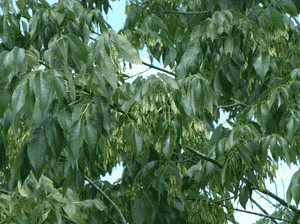
A prominent deciduous tree prized for its resilient, pliable timber and abundant leaves, white ash flourishes with appropriate trimming. Each year, eliminate any lifeless, ailing, or intersecting limbs to encourage robust development. Reducing the density of the crown improves light access and air movement, crucial for vitality. Perform pruning in late winter or early spring prior to the emergence of buds. Refrain from incising the white ash's 'branch collar' to avert harm. Trimming results in a structurally robust tree, diminishing the likelihood of branch collapse.
What Are the Benefits of Pruning White Ash?
What Are the Benefits of Pruning White Ash?
Trimming white ash promotes robust new development, enhancing its sturdy framework. Strategic cuts maintain its form, preventing excessive growth and fostering a balanced, visually appealing shape.
What Is the Best Time for Pruning White Ash?
What Is the Best Time for Pruning White Ash?
Trimming white ash in late winter before spring growth begins is ideal because the tree is dormant, which minimizes sap loss and allows wounds to heal before new growth emerges. It also offers a clear view of the tree's structure for better shaping and removal of damaged or diseased branches. Pruning in early spring, just prior to the growing season, can also be advantageous as it supports vigorous growth and helps maintain the tree's health and structure. Avoid pruning in autumn as wounds heal slower then, increasing the risk of disease infection.
What Tools Do I Need to Prune White Ash?
Hand Pruners
Perfect for snipping small branches and twigs on young white ash trees or for minor upkeep. The bypass type is preferred over the anvil type as it creates cleaner cuts, which are better for the tree's well-being.
Loppers
Essential for branches up to 1 1/2 inches in diameter. They offer greater leverage than hand pruners and can be utilized for shaping the canopy and removing small to medium-sized branches.
Pruning Saw
Crucial for larger branches exceeding 1 1/2 inches in diameter that are too substantial for loppers. Select a saw with a curved blade for easier cutting and a cleaner cut on white ash.
Pole Pruner
Useful for reaching elevated branches without a ladder, which is especially helpful as white ash can grow quite tall. Opt for a pole pruner with both a saw and a lopper attachment for versatility.
Chainsaw
Recommended solely for very large branches or for removing significant portions of white ash, and should only be operated by trained individuals due to safety concerns. Electric chainsaws can suffice for smaller cuts, while gas-powered chainsaws might be necessary for thicker branches.
Protective Gear
While not a cutting tool, it is vital to use safety equipment such as gloves, goggles, and a helmet when pruning white ash to guard against injuries from falling branches and sawdust.
How to Prune White Ash
Step1: Tool Sterilization
Sanitize your pruning tools to prevent the spread of disease. Use a solution of 1 part bleach to 10 parts water to clean the blades before starting and between cuts, especially if cutting diseased limbs.
Step2: Health Assessment and Identification
Evaluate the overall health and structure of white ash before making any cuts. Identify the dead wood, diseased limbs, damaged branches, suckers, and water sprouts that require removal.
Step3: Dead Wood Removal
Begin by removing all dead wood. Make cuts at a 45-degree angle just outside the branch collar to facilitate proper healing. Do not leave stubs as these can attract pests and disease.
Step4: Diseased Limb Trimming
Identify and carefully remove any diseased limbs next. These should be cut back to healthy tissue, well beyond the point of visible disease to ensure all infected material is eliminated.
Step5: Damaged Branch Pruning
Trim away any damaged branches that are broken or split. Again, make the cuts just outside the branch collar without leaving stubs.
Step6: Sucker Elimination
Remove suckers, which are vigorous vertical growths that emerge from the roots or the base of white ash. Cut these as close to their point of origin as possible to discourage regrowth.
Step7: Water Sprout Removal
Prune water sprouts, which are shoots growing from the tree’s branches, often just below a pruning cut. These should be removed flush with the branch to discourage re-sprouting.
Step8: Canopy Thinning and Shaping
After removing the specific problem parts, step back to assess the tree for overall shape. Lightly thin the canopy to increase light penetration and air circulation. Ensure that any remaining cuts are clean and at the appropriate angle.
Step9: Debris Disposal
Dispose of the removed material, especially diseased limbs and branches, to prevent any potential spread of disease to white ash or other plants in the area.
Step10: Tool Maintenance and Wound Monitoring
After pruning, clean and oil your tools to keep them in good condition. Monitor the pruning wounds on white ash for proper healing and signs of decay, addressing any issues as necessary.
Post-Pruning Care for White Ash
Post-Pruning Care for White Ash
Immediately after pruning white ash, seal larger cuts to prevent disease. Maintain a controlled environment, with indirect light and stable humidity, keeping temperatures mild to encourage recovery. Apply a balanced fertilizer to boost nutrient levels for regrowth. Regularly inspect white ash for wilting, discoloration, or pest activity. If signs of stress or infection arise, treat accordingly with recommended fungicides or insecticides, ensuring careful application to avoid further stress on white ash.
Common Pruning Mistakes with White Ash
Overpruning Causes Stress and Vulnerability
Excessive pruning, which can stress white ash and make it more susceptible to pests and diseases. Removing more than 25-30% of the foliage in a single season can harm the tree.
Improper Cuts Damage Branch Collar
Trimming too close to the trunk or parent branch, potentially harming the branch collar and hindering proper healing. This can lead to decay.
Topping Leads to Weak Growth and Misshape
Cutting the tree's main branches back to stubs, which can result in weak new growth and a misshapen tree.
Unsterilized Tools Spread Disease
Failing to sterilize pruning tools before use, which can spread diseases from infected plants to healthy ones.
Tearing Branches Injures Plant
Ripping or tearing branches instead of making clean, sharp cuts. This can cause unnecessary injury to white ash.
Neglecting Problem Limbs Compromises Health
Ignoring dead, damaged, or diseased limbs during pruning, which can compromise overall plant health.
Common Pruning Tips for White Ash
Use Clean, Sharp Tools for Healthy Cuts
Utilize clean, sharp tools to make precise cuts that will heal more quickly, reducing the risk of disease and pests.
Cut at Angle to Avoid Water Accumulation
Cut at a slight angle, away from the bud, to promote water runoff and prevent disease.
Cut Above Buds for Directed Growth
Always cut just above a bud or branching point, leaving about a quarter inch to prevent damaging the bud and to encourage proper growth direction.
Prune Dead Limbs to Improve Health
Remove dead, damaged, or diseased branches first, which will improve the health and appearance of white ash.
Thin Crowded Areas for Better Air and Light
Thinning out crowded areas to improve light penetration and air circulation, which helps prevent fungal diseases.
Maintain Natural Shape While Pruning
Focus on maintaining the natural form of white ash when pruning, rather than attempting to overly shape or control its growth.
Sterilize Tools Between Cutting Diseased Limbs
Sanitize pruning tools with alcohol or a 10% bleach solution between cuts when dealing with diseased limbs to prevent spreading pathogens.



