How to Prune Alder buckthorn?
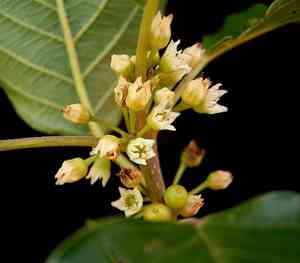
Distinguished by its lustrous foliage and crimson berries that deepen to a dark purple hue in autumn, alder buckthorn is a resilient deciduous bush. Essential trimming methods entail excising lifeless, ailing, or excessively dense branches to foster air movement and light access. The most effective time for pruning is from late winter to early spring, leveraging the plant's inactive phase to lessen strain on alder buckthorn. Pruning can stimulate development, preserve the intended form, and inhibit the dissemination of ailments, thereby improving the plant's general well-being and lifespan.
Advantages of Trimming Alder Buckthorn
Advantages of Trimming Alder Buckthorn
Trimming alder buckthorn stimulates robust development by eliminating dead or diseased limbs, enhancing air circulation. It also aids in maintaining the desired form for aesthetic or spatial reasons.
Optimal Period for Pruning Alder Buckthorn
Optimal Period for Pruning Alder Buckthorn
Pruning in late winter is ideal as alder buckthorn remains dormant, minimizing stress and the risk of disease transmission through fresh cuts. It also supports vigorous spring growth by directing the plant's stored energy into new shoots. Early spring pruning, just before growth begins, can be beneficial for shaping the plant and removing any dead or damaged branches. Avoiding pruning when alder buckthorn is actively growing or during its flowering or fruiting periods prevents disruption of its natural growth cycle and ensures the development of flowers and berries, which are vital for wildlife.
Required Tools for Pruning Alder Buckthorn
Hand Pruners
Perfect for making precise cuts on young or slender branches of alder buckthorn up to 3/4 inches in diameter. Ergonomic hand pruners with bypass blades provide a clean cut that promotes healthy regrowth.
Loppers
Best for cutting branches between 3/4 inches and 1 1/2 inches in diameter. The long handles offer leverage to cut through alder buckthorn's thicker branches easily, with less strain on the arms.
Pruning Saw
A pruning saw is necessary for branches over 1 1/2 inches in diameter. The saw allows for cutting large, mature branches of alder buckthorn with control and precision without tearing bark.
Hedge Shears
Useful for shaping and maintaining the dense, twiggy growth habit of alder buckthorn. Especially beneficial when creating hedges or for evenly trimming a large number of small branches.
Pruning Gloves
To protect hands from thorns and rough bark, pruning gloves are essential safety tools when pruning alder buckthorn, providing grip and protection.
Sharpening Tool
Keeps the cutting edges of pruning tools sharp. Sharp tools are vital for making clean cuts on alder buckthorn, which help prevent disease and damage to the plant.
How to Prune Alder Buckthorn
Cleaning
Before beginning, ensure all pruning tools are clean and sharp to promote healthy cuts and to prevent the spread of disease in alder buckthorn.
Dead Wood
Remove any dead wood by cutting it back to the point of origin or to a healthy outward-facing bud to allow for proper healing and to encourage new growth in alder buckthorn.
Broken Branches
Identify and prune back broken branches to the nearest healthy branch junction, taking care not to tear the bark, to maintain alder buckthorn's structure and prevent pests or disease entry.
Diseased Branches
Carefully remove diseased branches by cutting them well below the affected area, disposing of them properly to reduce the risk of infecting alder buckthorn further.
Cleanup
Collect and dispose of all pruning debris to keep the area around alder buckthorn clean and to reduce the likelihood of disease or pests harbored in the trimmings.
Common Pruning Mistakes with Alder Buckthorn
Over-Pruning
Removing too much growth can weaken alder buckthorn, potentially limiting its flowering potential and general vigor. Pruning more than one-third of the plant can be particularly detrimental.
Improper Cuts
Incorrectly placed or angled cuts can create larger wounds than necessary and expose alder buckthorn to pests and diseases. Clean cuts at the appropriate angle facilitate quicker healing.
Blunt Tools
Using dull pruning tools can damage the stems of alder buckthorn, causing ragged cuts that are more susceptible to infection.
Flush Cutting
Cutting too close to the main stem or trunk can remove the branch collar, inhibiting proper healing and possibly leading to disease entry points.
Neglecting Hygiene
Not sterilizing pruning tools before and after use can spread diseases between plants. Always clean your tools when moving from one plant to another.
Common Pruning Tips for Alder Buckthorn
Selective Thinning
Focus on removing only the necessary branches to improve air circulation and light penetration throughout alder buckthorn.
Proper Tool Selection
Ensure that you have a range of tools for different sizes of branches. Use secateurs for small branches and loppers or a pruning saw for thicker growth.
Angled Cuts
Make cuts at a 45-degree angle about 1/4 inch above a bud facing the outside of the plant. This encourages water to run off the cut and new growth to develop outward.
Gradual Rejuvenation
For older alder buckthorn plants, conduct rejuvenation pruning over several years to avoid shocking the plant. Remove a third of the oldest branches each year to encourage new growth.



