How to Prune Woodland strawberry?
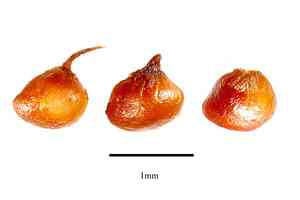
A consistent favorite for berry lovers, this compact, ground-hugging plant produces sugary, crimson berries. Essential trimming for woodland strawberry entails eliminating withered or ailing leaves, reducing dense patches, and molding plants for peak fruit yield. Ideally performed from the beginning of spring to the end of autumn to foster robust development. Trimming improves air movement, lowers the chance of illness, and encourages more vigorous, productive plants. Employ keen, sanitized implements to prevent harm and the dissemination of pathogens.
What Are the Benefits of Pruning Woodland Strawberry?
What Are the Benefits of Pruning Woodland Strawberry?
Trimming woodland strawberry encourages more abundant and larger yields by directing energy towards fruit development. It promotes more vigorous growth in woodland strawberry, improving its overall vitality and resilience. Regular trimming also helps maintain its desired form, ensuring woodland strawberry doesn't spread excessively in garden areas.
What Is the Best Time for Pruning Woodland Strawberry?
What Is the Best Time for Pruning Woodland Strawberry?
Pruning in early spring allows woodland strawberry to recover and grow strongly, aligning with the start of its active growth period. Late fall pruning is beneficial as it prepares woodland strawberry for winter dormancy by removing dead or diseased wood, lessening the plant's burden. Both periods avoid disrupting flowering and fruiting, ensuring a healthy cycle of blooms and harvest.
What Tools Do I Need to Prune Woodland Strawberry?
Hand Pruners
Perfect for shaping and trimming woodland strawberry, enabling precise cuts without harming the plant. Opt for bypass pruners for a clean cut that supports healthy regrowth.
Scissors
An excellent choice for cutting soft, green stems of woodland strawberry. Smaller blades offer better control for thinning or harvesting tasks.
Gloves
Hand protection during woodland strawberry pruning, preventing scratches and irritation from leaves and soil.
Disinfectant
Used to sanitize tools before and after pruning woodland strawberry to prevent disease transmission between plants.
Pruning Saw
For mature woodland strawberry plants with thicker stems that hand pruners cannot manage. A small, fine-toothed pruning saw can make clean cuts without causing damage.
How to Prune Woodland Strawberry
Step1: Removing Dead/Diseased Branches
Identify dead or diseased branches on woodland strawberry. These typically appear brown or black, feel brittle, and may show signs of fungal infection or insect damage. Removing these parts helps prevent disease spread and promotes healthy growth.
Step2: Sterilizing Pruning Shears
Use clean, sharp pruning shears. Sterilize the blades with rubbing alcohol or a household disinfectant before you begin pruning to prevent the spread of disease between plants.
Step3: Making 45-Degree Pruning Cuts
Begin pruning dead branches by cutting just above a healthy leaf node or bud. Make your cut at a 45-degree angle, which helps the plant heal faster and aids in water runoff.
Step4: Encouraging Growth in Sparse Areas
Examine woodland strawberry for sparse areas where the plant is not producing leaves or fruit efficiently. Prune these areas to encourage new growth, cutting back to a healthy bud to stimulate development.
Step5: Trimming Low-Hanging Branches
Look for lower branches that are touching the ground or are too close to it, as these can lead to disease or pest issues. Trim these branches to maintain a clearance from the soil, which aids in air circulation and reduces the risk of disease.
Step6: Maintaining Natural Shape During Pruning
When shaping woodland strawberry, strive to maintain its natural form. Evenly space out your pruning cuts to avoid over-thinning any one area. This will enhance sunlight penetration and air flow throughout the plant.
Step7: Disposing of Pruning Debris
Remove all trimmed material from the area to reduce the chance of disease and pests. Dispose of dead and diseased matter properly, away from your garden area.
Step8: Watering After Pruning
Water woodland strawberry appropriately after pruning to help reduce stress on the plant. Ensure it receives adequate moisture according to its specific needs.
Step9: Fertilizing Post-Pruning
Apply a balanced fertilizer if necessary, after pruning, to provide woodland strawberry with the nutrients needed for recovery and to promote vigorous growth.
Step10: Monitoring Post-Pruning Recovery
Monitor woodland strawberry after pruning for signs of new growth or any issues. Pruning should be done during a time when woodland strawberry is not actively flowering or fruiting, typically early spring or late autumn.
Post-Pruning Care for Woodland Strawberry
Post-Pruning Care for Woodland Strawberry
Immediately after pruning woodland strawberry, ensure proper hydration to aid recovery. Position woodland strawberry in a spot with partial shade to avoid stress from intense light. Maintain ambient humidity and a temperate climate, as extreme conditions can hinder healing. Apply a balanced fertilizer to replenish nutrients and promote growth. Regularly inspect woodland strawberry for discolored leaves or wounds, indicative of stress or infection. If such signs are present, reduce stressors and consider eco-friendly fungicides to manage potential infections.
Common Pruning Mistakes with Woodland Strawberry
Over-Pruning Reduces Fruit Production
Pruning back too aggressively can damage woodland strawberry, as it may remove healthy, productive leaf-bearing areas and negatively impacts fruit production.
Neglecting Runner Removal Causes Overcrowding
Neglecting to remove runners or offshoots can lead to overcrowding, which diminishes light and air circulation vital to woodland strawberry's health, potentially reducing flowering and fruiting.
Ignoring Unhealthy Stems Leads to Pests and Disease
Ignoring dead, diseased, or damaged stems during pruning can leave woodland strawberry susceptible to pests and diseases, as these can harbor harmful organisms and hinder the plant's vigor.
Common Pruning Tips for Woodland Strawberry
Thin Older Foliage for Better Air and Sunlight
Carefully thin out dense foliage by removing older leaves to improve air circulation and sunlight penetration, which are crucial for the health and productivity of woodland strawberry.
Prune Dead or Diseased Parts for Plant Health
Regularly check for and gently prune off dead or yellowing leaves, as well as diseased or pest-infested parts, to maintain the plant's health and promote better flowering and fruiting.
Prune Runners to Focus Growth and Boost Fruit Size
Control the spread of woodland strawberry by pruning away excess runners; this directs more energy into the main plant, encouraging larger fruit and more robust growth in the long term.



