How to Prune Weeping forsythia?
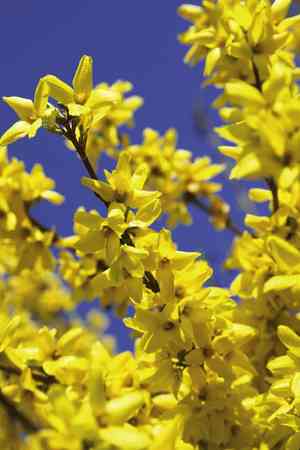
This leaf-shedding bush, recognized for its vivid yellow blossoms and gracefully curved limbs, thrives with consistent trimming to preserve its form and foster abundant flowering. Trim weeping forsythia once its blooming period concludes in late spring or early summer, severing aged wood to stimulate fresh development. Reduce congested branches to ensure adequate air movement. Trimming boosts the plant's robustness and can revitalize mature examples by eliminating one-third of the most ancient stalks each year.
Advantages of Trimming Weeping Forsythia
Advantages of Trimming Weeping Forsythia
Trimming weeping forsythia promotes abundant blooms, prevents congestion, and builds a robust structure for development. This action also lowers the chance of pests and illnesses by eliminating weak or dead branches, ensuring weeping forsythia stays vibrant and strong.
Optimal Time for Trimming Weeping Forsythia
Optimal Time for Trimming Weeping Forsythia
These periods are considered ideal because weeping forsythia flowers on the prior year's growth. Trimming in late spring or early summer, right after the blossoms fade, allows gardeners to shape the plant without sacrificing the subsequent year's flowers. This timing also provides weeping forsythia ample opportunity to produce new growth that will bloom the following season. Furthermore, the plant is actively growing during this time, which encourages faster healing of cuts and minimizes stress. It's crucial to avoid trimming weeping forsythia in late fall or winter, as this could remove buds that would produce spring flowers, and new growth might be susceptible to frost damage.
Necessary Tools for Trimming Weeping Forsythia
Bypass Pruners
Perfect for making clean cuts on live wood, bypass pruners should be utilized for young or small branches of weeping forsythia, ensuring minimal harm to the plant's tissues.
Loppers
These are excellent for reaching into the dense growth of weeping forsythia and cutting through thicker branches that bypass pruners cannot manage, thanks to their long handles and increased leverage.
Pruning Saw
When weeping forsythia has mature, woody stems too thick for loppers, a pruning saw is essential for making clean cuts without tearing the bark.
Hand Shears
Hand shears are suitable for shaping weeping forsythia by trimming thin stems and maintaining the desired aesthetic form while encouraging healthy growth.
Gloves
Durable gardening gloves are vital for protecting hands while trimming weeping forsythia, as some branches may be sharp or cause skin irritation.
How to Trim Weeping Forsythia
Step1: Timing After Bloom
Start trimming weeping forsythia immediately after its blooming period concludes, typically in early spring. This is important because weeping forsythia blooms on old wood from the previous year, and late trimming can remove flower buds, reducing the bloom for the next season.
Step2: Prepare Clean Tools
Wear gloves and use clean, sharp bypass pruners for all cuts. Disinfect your pruners with rubbing alcohol or a 10% bleach solution to prevent the spread of diseases between plants.
Step3: Remove Yellow Leaves
Identify and remove any yellow leaves by trimming them close to the base of weeping forsythia. Yellow leaves could indicate pest, disease, or nutrient issues, so investigate and address these conditions as necessary to maintain plant health.
Step4: Cut Back Dead Wood
Inspect weeping forsythia for withered, dead, or diseased branches, which typically appear dry, brittle, and discolored. Cut these branches back to healthy wood, just above a set of leaves or an outward-facing bud. This will help direct new growth outward and prevent overcrowding.
Step5: Shape and Thin Shoots
Thin out overgrown shoots to maintain a desired shape and size for weeping forsythia. Trim overgrown shoots back by one-third their length, cutting just above a bud facing the direction you want the new growth to take. This will encourage weeping forsythia to develop a more appealing form.
Step6: Eliminate Crossing Branches
Remove any crossing branches that rub against each other, as these can cause wounds and invite disease. Cut the less vigorous branch back to its point of origin.
Step7: Balance Overall Shape
Step back and assess weeping forsythia's overall shape. Trim any sections that unbalance the symmetry of weeping forsythia's shape, keeping the natural arching form of the weeping forsythia. Aim for a rounded or fountain-like shape, thinning as necessary to achieve this look.
Step8: Clean Up Trimmed Material
Collect and dispose of all trimmed material from around the base of weeping forsythia to reduce the likelihood of pests and diseases lingering around the plant.
Step9: Water and Fertilize
After trimming, water weeping forsythia well and consider applying a balanced, slow-release fertilizer to support healthy regrowth if needed, following product instructions.
Step10: Monitor and Maintain
Monitor weeping forsythia for new growth and additional trimming needs throughout the growing season, and repeat these trimming steps annually to maintain plant vigor and optimal flowering.
After-Trimming Care for Weeping Forsythia
After-Trimming Care for Weeping Forsythia
Immediately after trimming weeping forsythia, ensure clean cuts to promote healing. Position weeping forsythia in a spot with adequate indirect light; avoid direct sun exposure which can stress freshly trimmed areas. Maintain moderate humidity and a stable temperature to support recovery. Apply a balanced, slow-release fertilizer to replenish nutrients, aiding vigorous regrowth. Regularly inspect for wilt, discoloration, or signs of infection in trimmed sections. If symptoms occur, treat promptly with appropriate fungicides or pest control measures.
Common Trimming Errors with Weeping Forsythia
Avoid Excessive Trimming to Preserve Blooms
Excessive trimming, which can stress weeping forsythia and potentially reduce its flowering potential.
Use Sharp, Clean Tools to Prevent Damage
Using dull or unclean tools, which can harm the branches of weeping forsythia and introduce diseases.
Respect Natural Growth in Trimming
Trimming indiscriminately without considering the natural shape and growth pattern of weeping forsythia, leading to an undesirable appearance and compromised plant health.
Conserve Old Wood for Flowering
Removing too much old wood, from which weeping forsythia blooms, potentially reducing the floral display.
Avoid Trimming into Leafless Wood
Trimming into the lower, leafless wood, which can prevent new shoots from emerging on weeping forsythia.
Remove Dead and Damaged Branches
Neglecting to remove dead, damaged, or crossing branches, which can cause harm to weeping forsythia over time.
General Trimming Advice for Weeping Forsythia
Use Sharp, Sterile Tools for Healthy Cuts
Always use sharp and sterile trimming tools to make clean cuts and prevent the spread of diseases to weeping forsythia.
Trim to Enhance Natural Form
Trim weeping forsythia to maintain its natural weeping form, gently shaping the plant rather than imposing a rigid structure.
Thin Branches for Light and Air Flow
Focus on thinning out crowded branches to increase light penetration and air circulation within weeping forsythia, which promotes healthier growth and reduces disease pressure.
Save Last Year's Growth for Blooms
Retain a good amount of previous year's growth to ensure weeping forsythia has enough flowering wood.
Cut to Outward-Facing Buds for Directional Growth
Cut branches of weeping forsythia back to a strong outward-facing bud to encourage growth in a desirable direction.
Remove Unhealthy Branches Regularly
Regularly remove any dead, diseased, or damaged branches to maintain the health and appearance of weeping forsythia.



