How to Prune Common bushweed?
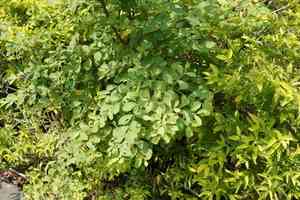
A robust, leaf-shedding shrub frequently encountered in warm climates, common bushweed thrives with yearly winter trimming to foster robust development. Remove aged, lifeless, or ailing branches near the plant's foundation to improve air circulation and light access. Reducing up to one-third of mature growth each year aids in preserving its form and encourages strong new shoots. Performing this task right before spring's arrival supports the plant's natural cycle, boosting the general well-being and yield of common bushweed.
What Are the Benefits of Pruning Common Bushweed?
What Are the Benefits of Pruning Common Bushweed?
Trimming common bushweed promotes vigorous development and maintains its form. Strategic cuts encourage new, healthy limbs, ensuring a neat look and strong framework, crucial for optimal plant growth.
What Is the Best Time for Pruning Common Bushweed?
What Is the Best Time for Pruning Common Bushweed?
Pruning common bushweed from late winter to early spring is optimal as the plant is typically dormant, reducing stress and minimizing sap loss. Pruning before the growth cycle begins ensures fresh wounds heal quickly with new growth, lowering disease risk. Additionally, the absence of leaves allows a clear view of the plant's structure, enabling more precise cuts. Pruning at this time also stimulates vigorous spring growth, enhancing common bushweed's overall health and appearance. Avoid fall pruning, as cuts heal slower, attracting pests and leading to fungal infections.
What Tools Do I Need to Prune Common Bushweed?
Bypass Pruners
Perfect for making precise cuts on common bushweed's smaller stems and branches, bypass pruners create a clean cut that encourages healthy growth. They resemble scissors and are suitable for live wood and green growth.
Loppers
With long handles providing leverage, loppers are ideal for trimming thicker, hard-to-reach branches of common bushweed. Their sharp blades ensure a clean cut on branches up to 1 1/2 inches in diameter.
Pruning Saws
For mature common bushweed with thicker branches exceeding 1 1/2 inches in diameter, a pruning saw is essential. It's useful for cutting through the plant's tougher, woodier sections.
How to Prune Common Bushweed
Clean tools
Before starting the pruning process, sanitize all pruning tools with a solution of 1 part bleach to 9 parts water to prevent spreading diseases to common bushweed.
Health inspection
Thoroughly inspect common bushweed for dead or diseased branches, which are typically discolored, brittle, or show signs of fungal infection or insect damage.
Remove dead branches
Carefully snip off dead branches at their origin from the main stem or healthy tissue, using sharp, clean pruning shears or a saw for larger branches, ensuring a clean cut that common bushweed can heal smoothly.
Eliminate diseased branches
Prune away any diseased branches, cutting well below the visible infection to reduce disease spread within common bushweed, and dispose of these branches far from healthy plants.
Sanitation
After pruning common bushweed, clean up all fallen debris from the pruning process and dispose of it properly to prevent any disease from reoccurring or spreading in your garden.
Common Pruning Mistakes with Common Bushweed
Over pruning
Removing too much foliage can stress common bushweed and reduce its vitality, leading to a decline in health and appearance.
Wrong technique
Using improper cutting methods, such as tearing branches or making jagged cuts, can damage common bushweed and make it susceptible to disease and pest infestation.
Not disinfecting tools
Failing to disinfect pruning tools before use can spread diseases between plants, negatively affecting common bushweed's health.
Disregarding plant shape
Ignoring the natural growth habit and shape of common bushweed when pruning can result in an unnatural appearance and potentially harm the plant's structure.
Common Pruning Tips for Common Bushweed
Sharp tools
Always use sharp, clean pruning tools to make clean cuts that common bushweed can heal quickly from, reducing the risk of disease.
Selective pruning
Prune selectively to remove only dead, diseased, or overgrown branches, which will encourage healthy growth and airflow within the foliage of common bushweed.
Gradual pruning
Approach pruning gradually, especially if reshaping common bushweed is desired. It's healthier for the plant to prune over a couple of seasons rather than all at once.
Proper cut location
Make cuts on common bushweed just above a bud or branching point to promote new growth in the desired direction and to prevent stubs that can attract pests and diseases.



