How to Prune Chinese parasol tree?
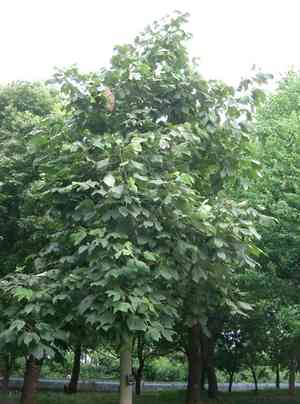
This leafy tree, recognized for its expansive, cordate foliage and impressive height, thrives under direct sunlight. Essential trimming methods for chinese parasol tree involve excising deceased or injured branches, sculpting the crown for visual appeal, and reducing density to improve airflow. The most effective time for pruning is in late winter or early spring, prior to the emergence of fresh shoots. Trimming while the tree is dormant minimizes sap leakage and pathogen entry, consequently fostering robust spring development and preserving its structural soundness.
What Are the Benefits of Pruning Chinese Parasol Tree?
What Are the Benefits of Pruning Chinese Parasol Tree?
Trimming chinese parasol tree promotes robust development by eliminating dead or diseased limbs, fostering new, healthy growth. Consistent pruning also helps preserve its distinctive canopy, keeping chinese parasol tree visually appealing and well-proportioned.
What Is the Best Time for Pruning Chinese Parasol Tree?
What Is the Best Time for Pruning Chinese Parasol Tree?
Pruning chinese parasol tree in late winter, prior to new growth, removes dead or damaged branches, preventing disease spread while the plant is dormant. Early spring, post-frost but pre-growth cycle, is ideal for shaping the tree and managing its size without stressing it. This timing encourages healthy new growth and avoids cutting flower buds, preserving its ornamental value.
What Tools Do I Need to Prune Chinese Parasol Tree?
Hand Pruners
Smaller branches of chinese parasol tree can be easily cut with hand pruners. Opt for bypass pruners, which create clean, precise cuts that encourage healthy regrowth.
Loppers
For branches too thick for hand pruners, loppers provide the necessary leverage and cutting power without harming the branch collar of chinese parasol tree.
Pruning Saw
Chinese parasol tree may have larger branches requiring a pruning saw. A curved blade saw can simplify the task, especially for higher and hard-to-reach branches.
Pole Pruner
To trim out-of-reach branches, a pole pruner offers an extended handle, allowing safe pruning of chinese parasol tree without a ladder.
Hedge Shears
For shaping the canopy and maintaining an even structure in chinese parasol tree, hedge shears are suitable for trimming smaller foliage and twigs.
How to Prune Chinese Parasol Tree
Clean Tools
Clean and sanitize all pruning tools to prevent disease transmission when cutting chinese parasol tree.
Cuts Location
Identify dead or diseased branches on chinese parasol tree by looking for those lacking leaves, having discolored bark, or showing signs of decay.
Angled Cuts
Make angled cuts just above a node or branching point to remove dead or diseased branches from chinese parasol tree, aiding healing and preventing water accumulation.
Disposal
Dispose of removed dead or diseased branches away from chinese parasol tree and other plants to prevent potential pathogen spread.
Sanitation
Sanitize tools again after trimming chinese parasol tree to ensure no pathogens are transferred to the next plant or during future pruning.
Common Pruning Mistakes with Chinese Parasol Tree
Overpruning
Removing too many branches from chinese parasol tree can stress the tree and hinder its growth. It's crucial to prune no more than 25-30% of the foliage at once.
Improper Cutting
Making cuts either too close or too far from the main branch can harm chinese parasol tree. Cuts should be made just outside the branch collar to promote proper healing.
Tearing Bark
Ripping or tearing the bark during pruning can expose chinese parasol tree to diseases and pests. Always use sharp pruning tools to make clean cuts.
Neglecting Tool Maintenance
Using dull or dirty tools can lead to jagged cuts and introduce diseases to chinese parasol tree. Regularly clean and sharpen pruning tools before use.
Pruning Without A Plan
Random or excessive cutting without understanding the growth pattern of chinese parasol tree can result in a poorly structured and less vigorous tree.
Common Pruning Tips for Chinese Parasol Tree
Understanding Growth Habit
Familiarize yourself with the growth habit of chinese parasol tree to prune selectively, thereby preserving the tree's natural shape and structure.
Thinning
Thin out dense areas to improve light and air circulation, which will reduce disease risk and encourage healthy growth in chinese parasol tree.
Removing Dead Wood
Regularly check for and prune away dead or dying branches to maintain the health and appearance of chinese parasol tree.
Shaping
Prune chinese parasol tree to maintain its desired form, cutting back outer shoots and selectively pruning inner branches when necessary.
Tool Selection
Using the correct tools such as secateurs, loppers, or a fine-toothed saw will make pruning chinese parasol tree proper and efficient.



