How to Prune White fig?
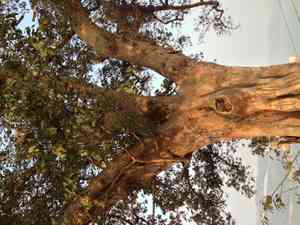
White fig, a tropical evergreen characterized by its thick foliage, thrives with judicious trimming. Essential methods involve: reducing congested limbs to enhance airflow; excising deceased or ailing timber; and sculpting for visual appeal or dimension management. The most opportune period for pruning is during winter, which lessens strain and sap exudation, fostering robust regeneration in spring. For white fig specifically, precise incisions encourage branching, thereby elevating the tree's decorative qualities and preserving its vitality.
What Are the Benefits of Pruning White Fig?
What Are the Benefits of Pruning White Fig?
Trimming white fig promotes robust development by eliminating dead or crowded branches, which boosts sunlight exposure and air circulation. Regular shaping helps maintain its form for aesthetic appeal and a sound framework.
What Is the Best Time for Pruning White Fig?
What Is the Best Time for Pruning White Fig?
The period from late winter to early spring is considered optimal for pruning white fig because the plant is in its dormant state. Pruning during dormancy minimizes stress on white fig, as the plant is not actively channeling energy into growth, flowering, or fruiting. This timing also allows white fig to recover from pruning cuts before the spring growth surge, lowering the risk of disease and pest infestation. Trimming before the start of the spring growth cycle enables white fig to direct its energy toward developing a strong structure and healthy new growth after pruning.
What Tools Do I Need to Prune White Fig?
Hand Pruners
Perfect for trimming smaller branches of white fig up to approximately 1/2 inch thick. They offer precise cuts and are easy to handle, which is vital for shaping white fig without harming nearby stems.
Loppers
White figâs moderate growth habit and branch size make loppers suitable for cutting through branches 1/2 inch to 1 1/2 inches in diameter. They provide good leverage and reach, allowing for clean cuts on thicker growth.
Pruning Saw
For mature white fig with thicker branches (exceeding 1 1/2 inches in diameter), a pruning saw is essential. It enables efficient cutting of larger branches without tearing or damaging the branch structure.
Hedge Shears
When white fig is formed into a hedge, hedge shears are useful for trimming and shaping the canopy. They allow for the cutting of multiple small stems simultaneously, ideal for maintaining an even, manicured appearance of the white fig.
Pole Pruner
For reaching higher branches without using a ladder, a pole pruner is recommended. It's important for maintaining the upper parts of a tall white fig, ensuring a uniform look and healthy growth throughout the tree.
How to Prune White Fig
Sterilize Tools
Before beginning, ensure all cutting implements are cleaned and sterilized to prevent the spread of disease during pruning of white fig.
Dead Branch Removal
Identify and remove any dead branches from white fig by cutting them at their origin point or back to a main limb. Avoid leaving stubs as they can attract pests and rot.
Diseased Branch Elimination
Cut diseased branches on white fig well below the affected areas to ensure complete removal of potentially infected material. Dispose of these properly to prevent contaminating healthy parts.
Thin Crown
If necessary, thin out the crown of white fig to enhance air circulation and light penetration. Make selective cuts to remove interior branches that are crossing or congested.
Wound Care
Seal any large wounds left on white fig after pruning to help protect against disease and pests. Choose a suitable wound dressing or sealant approved for use on fig trees.
Common Pruning Mistakes with White Fig
Overpruning
Removing too much foliage at once, which can stress white fig and lead to poor health or growth.
Inappropriate Cut Location
Cutting too close to the trunk or leaving a large stub can cause damage and increase susceptibility to pests and diseases.
Use Of Dull Tools
Using dull pruning tools can result in jagged cuts that are harmful to white fig and may hinder proper healing.
Neglecting Wound Care
Failing to apply suitable wound treatment after large cuts can leave white fig vulnerable to infections.
Pruning Without Plan
Pruning without assessing white fig's overall structure can lead to imbalanced growth or loss of shape.
Ignoring Diseased Limbs
Overlooking the removal of diseased or damaged limbs can allow the issue to spread and weaken the entire plant.
Common Pruning Tips for White Fig
Sharp Clean Tools
Use sharp, clean tools to make clean cuts that heal quickly and reduce the risk of disease for white fig.
Strategic Cutting
Prune strategically to maintain or improve the structure, focusing on removing dead or crossing branches that can cause damage.
Consider Plant Health
Take white fig's health into consideration and remove only what is necessary to avoid excessive stress.
Proper Cut Technique
Make cuts at an angle away from the bud to encourage proper new growth without damaging the remaining branch.
Prune For Aeration
Thin the crown to improve air and light penetration, which encourages healthy growth and reduces disease risk for white fig.
Wound Treatment For Large Cuts
Apply a suitable wound dressing to large cuts to protect white fig against pests and diseases.



