How to Prune Creeping fig?
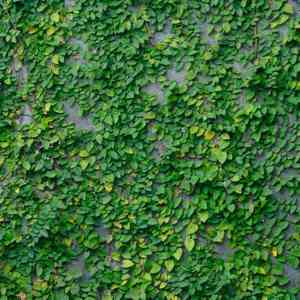
Distinguished by its swift and robust development, Ficus pumila greatly benefits from consistent trimming to manage its dimensions and foster more abundant leaves. Perform pruning on Ficus pumila in late winter or early spring, prior to the emergence of new shoots. Shorten undesirable runners and sculpt the plant by severing just above a leaf joint to encourage thicker growth. Ensure the use of sharp cutting tools for precise incisions, which aids in averting ailments and harm to Ficus pumila. Trimming curbs aggressive spreading while enhancing its aesthetic appeal.
What Are the Benefits of Pruning Creeping Fig?
What Are the Benefits of Pruning Creeping Fig?
Trimming creeping fig promotes thicker foliage, ensuring a lush look. Regular cutting maintains its desired size and prevents excessive growth, which could otherwise cause structural problems in the area creeping fig occupies.
What Is the Best Time for Pruning Creeping Fig?
What Is the Best Time for Pruning Creeping Fig?
These periods are considered ideal as they coincide with creeping fig's dormant phase, just before its active growth begins. Pruning during early spring and late winter minimizes stress on creeping fig and supports robust growth once the growing season starts. Additionally, it allows the gardener to shape the plant and remove any cold-damaged or unwanted growth without affecting flowering or fruiting, as creeping fig typically does not produce flowers or fruits. Pruning at this time ensures the plant has sufficient time to recover before the growing season, reducing the risk of disease and pests.
What Tools Do I Need to Prune Creeping Fig?
Hand Pruners
Given the relatively small size of creeping fig's leaves and stems, sharp hand pruners are perfect for making precise cuts. These are crucial for trimming back any unwanted shoots or excess growth and maintaining the desired form.
Pruning Shears
For larger areas or a quick trim of creeping fig, pruning shears can be more effective. They can handle thin to moderately thick stems and make quick work of dense growth.
Long-Handled Loppers
If creeping fig has reached hard-to-access areas or grown onto structures, long-handled loppers can be used. They offer extended reach and leverage for thicker branches that hand pruners cannot easily cut.
Gloves
While creeping fig is not known for thorns or irritating sap, wearing gloves can protect hands from potential skin irritation during pruning and provide a better grip on tools.
Pruning Saw
If creeping fig has grown unchecked and developed thicker, woody stems, a pruning saw might be necessary. It will help cut through larger branches cleanly and efficiently.
How to Prune Creeping Fig
Step1: Tool Preparation
Prepare your pruning implements. Ensure your pruning shears or scissors are clean and sharp to prevent disease spread and make precise cuts on creeping fig.
Step2: Inspect for Overgrowth
Examine creeping fig for overgrown vines. Identify which vines you wish to trim to maintain creeping fig's desired size and shape. Overgrown vines may be too long or growing outside their intended area.
Step3: Prune for Regrowth
Begin trimming overgrown vines by cutting just above a leaf node or a branching point. This will encourage new growth in creeping fig from the cut areas, allowing it to become bushier over time.
Step4: Identify Damaged Stems
Look through creeping fig for any damaged stems. Search for signs of wilting, discoloration, or broken stems that could indicate pests, disease, or physical harm.
Step5: Remove Damaged Segments
Trim damaged stems on creeping fig by cutting them back to a healthy part of the stem. If only a section of the stem is damaged, cut just above a leaf node. If the entire stem is damaged, remove it at its base where it connects to the main structure of creeping fig.
Step6: Clear Dead Leaves
Remove dead leaves from creeping fig, which can be picked off by hand if loose enough or with pruning shears if still firmly attached to the vine.
Step7: Cleanup Trimmings
After completing the pruning process, clear away any trimmings and fallen leaves from creeping fig to deter pests and disease.
Step8: Trimming Disposal
Dispose of the trimmings properly. Do not compost diseased plant material, as this can contaminate the compost with pathogens.
Step9: Post-Pruning Care
After pruning creeping fig, water it if the soil is dry and fertilize it with a balanced fertilizer to promote healthy regrowth if it's the growing season.
Step10: Monitor Plant Health
Observe creeping fig after pruning for any signs of stress or disease. Pruning can sometimes leave plants vulnerable, so ensure that creeping fig has optimal conditions to recover and thrive.
Post-Pruning Care for Creeping Fig
Post-Pruning Care for Creeping Fig
Immediately after trimming creeping fig, ensure the plant is in a well-lit, indirect sunlight area to prevent sunscald. Maintain consistent humidity and a stable temperature between 60-75°F to aid recovery. Start a light fertilization regimen about a month after pruning using a balanced, water-soluble fertilizer to support new growth. Carefully monitor creeping fig for wilting, discoloration, or pests, which indicate stress or infection. If symptoms appear, adjust care accordingly and consider a mild fungicide or insecticide.
Common Pruning Mistakes with Creeping Fig
Overpruning Stress
Cutting back too much at once, which can stress creeping fig and reduce its vitality.
Tool Damage and Disease Risk
Using dull or dirty pruning tools, which can harm creeping fig's delicate stems and potentially introduce disease.
Ignoring Dead Growth
Failing to remove dead or damaged growth, which can impede healthy development and attract pests.
Unplanned Pruning
Pruning without a strategy, leading to an uneven shape or unbalanced growth.
Common Pruning Tips for Creeping Fig
Sterilize Tools Regularly
Regularly disinfect cutting tools to prevent the spread of disease when pruning creeping fig.
Selective Shape Pruning
Practice selective trimming to shape creeping fig, focusing on overgrown or undesirable sections while maintaining the plant's natural growth habit.
Encourage Branching by Pinching
Pinch back new growth tips periodically to encourage branching and denser foliage in creeping fig.
Remove Dead Foliage Promptly
Remove any dead or dying foliage as soon as possible to keep creeping fig looking healthy and to avoid attracting pests.
Rejuvenation of Mature Plants
For mature creeping fig plants, consider more significant pruning to rejuvenate and promote new growth.
Guided Growth for Wall Coverage
When aiming for wall coverage, guide and attach new growth of creeping fig in the desired direction and pattern for an even and aesthetically pleasing appearance.



