How to Prune Fiddle-leaf fig?
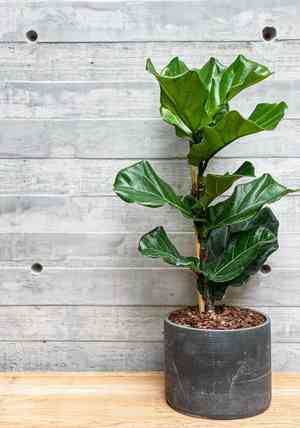
Recognizable by its expansive, lyre-shaped foliage, the fiddle-leaf fig is a favored indoor plant. Trimming efforts should concentrate on eliminating deceased or compromised leaves and preserving its form. The most opportune moment for pruning is in winter, during its inactive phase, to lessen strain. Cut back judiciously to prevent hindering development, as the fiddle-leaf fig can be susceptible to excessive trimming. Advantages of pruning encompass fostering a denser growth pattern, stimulating fresh foliage, and sustaining a controllable dimension. Disinfect implements to avert pathogen spread.
Advantages of Trimming Fiddle-leaf Fig?
Advantages of Trimming Fiddle-leaf Fig?
Trimming fiddle-leaf fig promotes more robust development by eliminating dead or crowded branches, which subsequently enhances light penetration and air circulation. Furthermore, pruning aids in preserving a desired form, keeping the plant compact and improving its decorative appeal.
Optimal Period for Pruning Fiddle-leaf Fig?
Optimal Period for Pruning Fiddle-leaf Fig?
The suggested pruning period of 'Winter' is not ideal for fiddle-leaf fig, as this time typically represents a dormant phase for many indoor plants, including fiddle-leaf fig. Early Spring is actually the best time for pruning fiddle-leaf fig, as this coincides with the start of its growth cycle, when the plant begins active development and can best recover from pruning stress. This season provides fiddle-leaf fig with ample light and warmth, which encourages healing and new growth. Pruning during this time helps maintain the plant's shape, manage its size, and remove any damaged or diseased foliage, which can improve overall plant health and vigor. It's important to avoid heavy pruning in late Fall or Winter as it can stunt growth and diminish the plant's vitality.
Required Tools for Pruning Fiddle-leaf Fig?
Bypass Shears
Perfect for making precise cuts and preventing harm to the remaining sections of fiddle-leaf fig. Bypass shears operate like scissors and are most suitable for cutting through green, living stems because they create clean cuts that facilitate healing.
Pruning Saw
Essential for cutting through thicker branches that bypass shears cannot manage. The saw allows for clean cuts on branches with a diameter exceeding 0.75 inches, which is crucial for the health of fiddle-leaf fig.
Sharp Scissors
Appropriate for trimming smaller, more delicate parts of fiddle-leaf fig, such as dead or yellowing leaves. Sharp scissors ensure minimal tissue damage and accuracy in shaping the plant.
Gloves
Protect the gardener's hands from sap, which can irritate some people's skin, and also assist in maintaining a better grip on tools while working with fiddle-leaf fig.
How to Prune Fiddle-leaf Fig
Sanitize Tools
Before pruning fiddle-leaf fig, sterilize the pruning tools using isopropyl alcohol or a 10% bleach solution to prevent the spread of disease.
Identify
Carefully inspect fiddle-leaf fig, pinpointing dead or diseased branches. Look for branches that are brown, withered, or show signs of fungal growth or pest infestation.
Remove Diseased
Using the sterilized tools, make clean cuts to remove diseased branches. Cut at a 45-degree angle, approximately 1/4 inch above a node or healthy leaf to encourage new growth.
Remove Dead
Prune dead branches at their point of origin or to the nearest healthy branch junction, ensuring not to damage the collar or main stem, to prevent decay.
Cleanup
Properly dispose of the removed dead and diseased branches, away from healthy plants, to avoid contamination. Clean the tools again after finishing the pruning process.
Common Pruning Errors with Fiddle-leaf Fig
Excessive Pruning
Removing too much foliage at once can stress fiddle-leaf fig, leading to poor growth or susceptibility to disease. It's crucial to prune no more than 10-20% of the total leaves.
Incorrect Cuts
Cutting too close to the main stem or not using clean, sharp tools can damage fiddle-leaf fig's bark and branches, which may lead to disease or poor healing.
Neglecting Health Check
Failing to inspect fiddle-leaf fig for pests or diseases before pruning may result in the spread of infestations or infections during the pruning process.
Random Snipping
Pruning without a strategy can result in an unbalanced shape and may hinder fiddle-leaf fig's natural growth pattern, affecting its overall appearance.
Ignoring Node Location
Making cuts without considering the location of nodes can result in unwanted growth directions or failure to stimulate new growth where desired.
General Pruning Advice for Fiddle-leaf Fig
Clean Tools
Always use sharp and sterilized pruning shears or scissors to make clean cuts and prevent the spread of disease when pruning fiddle-leaf fig.
Strategic Cutting
Prune right above a leaf node to encourage new growth in the desired direction. This assists fiddle-leaf fig in maintaining a more even and aesthetically pleasing shape.
Maintenance Pruning
Regularly remove any dead or yellowing leaves by clipping them off at their base to maintain fiddle-leaf fig's health and appearance.
Shaping Strategy
Develop a vision for fiddle-leaf fig's shape before starting to prune. Remove crossed or inward-growing branches to maintain an open structure that allows light to reach all parts of the plant.
Promoting New Growth
To encourage branching on fiddle-leaf fig, make a not too deep cut on the stem above a node where you want new growth to occur. This practice can help create a fuller, bushier plant over time.



