How to Prune Indian Laurel?
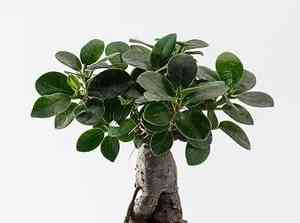
This perennial tree is recognized for its thick foliage and adventitious roots. Essential trimming methods for Indian Laurel involve reducing congested limbs, lowering stature, and contouring. Perform pruning during the colder months to lessen strain and foster vigorous spring development. Trimming ought to preserve the plant's inherent shape while enhancing air movement. Consistent cutting promotes a vibrant, thriving look and averts prospective structural problems from excessive growth.
What Are the Benefits of Pruning Indian Laurel?
What Are the Benefits of Pruning Indian Laurel?
Trimming indian Laurel promotes robust development and maintains its form, ensuring a thick and thriving canopy. It is crucial for the plant's overall vigor and aesthetic appeal.
What Is the Best Time for Pruning Indian Laurel?
What Is the Best Time for Pruning Indian Laurel?
Winter is considered the ideal period to prune indian Laurel as it typically enters a dormant phase, slowing its growth. This timing allows the plant to recover from trimming without the strain of active development. It also minimizes the risk of disease and pest infestations that can affect wounds on actively growing or stressed plants. Pruning in winter, before the spring growth surge, enables indian Laurel to channel its energy into healing and producing new growth, leading to a healthier and more visually appealing plant structure. Furthermore, the absence of leaves during this time offers better visibility for precise cuts, ensuring a cleaner pruning process.
What Tools Do I Need to Prune Indian Laurel?
Hand Pruners
Perfect for making clean cuts on smaller branches of indian Laurel, ensuring accurate control.
Loppers
Suitable for cutting through thicker branches of indian Laurel without causing harm due to their extended handles and robust blades.
Pruning Saw
Essential for removing larger limbs of indian Laurel that hand pruners and loppers cannot manage, providing a clean cut without tearing the bark.
Hedge Shears
Useful for shaping and maintaining the dense foliage of indian Laurel, allowing for even trimming across large areas.
Gloves
Protection for hands from the sap of indian Laurel, which can irritate skin during the pruning process.
Pruning Knife
Helps to make precise cuts on the smaller stems of indian Laurel or to tidy up any rough edges left by larger tools.
How to Prune Indian Laurel
Step1: Assessment of Plant Health
Thoroughly inspect indian Laurel to identify yellow leaves, withered branches, and discolored foliage. This initial evaluation will guide the pruning process, ensuring that only parts detrimental to the plant's health and appearance are removed.
Step2: Tool Sterilization
Sanitize pruning tools using a solution of 1 part bleach to 9 parts water to prevent disease transmission. Allow tools to air dry before beginning to prune indian Laurel.
Step3: Removing Yellow Leaves
Begin by removing yellow leaves, snipping them off at the base where the leaf stem meets the branch. Use sharp, clean pruning shears for a precise cut without harming surrounding healthy tissue.
Step4: Cutting Withered Branches
Prune withered branches by making cuts at a 45-degree angle, approximately 1/4 inch above a node or lateral branch. This angle promotes water runoff and helps prevent disease. Be careful not to cut into the trunk or remaining branches, as this can inflict unnecessary wounds on indian Laurel.
Step5: Trimming Discolored Foliage
Address discolored foliage by trimming it back to the nearest healthy part of the branch. This may involve removing entire sections of foliage if discoloration indicates a systemic issue. If only parts of the leaves are discolored, consider leaving the healthy portions intact.
Step6: Thinning for Air and Light
Thin out dense areas to enhance air circulation and light penetration within the canopy of indian Laurel. Selectively remove some inner branches using thinning cuts, which involve cutting the branch at its point of origin or back to a lateral branch.
Step7: Shaping the Plant
Shape indian Laurel to maintain or encourage the desired form. Determine the overall shape you're aiming for and remove any branches that extend beyond this silhouette. It's important to perform this shaping gradually, over several seasons if necessary, to avoid excessive pruning at once.
Step8: Post-Pruning Cleanup
After pruning, clear all debris from the base of indian Laurel to prevent potential disease and insect infestation. Dispose of or compost clippings away from other live plants to reduce the risk of spreading any pathogens.
Step9: Watering After Pruning
Water indian Laurel deeply after pruning to help reduce plant stress. Ensure it receives ample moisture, but also allow for proper drainage to prevent waterlogging, which can lead to root rot.
Step10: Monitoring Plant Recovery
Monitor indian Laurel after pruning for signs of stress or disease. New growth should appear in the following weeks, indicating that the plant has responded well to the pruning process. Adjust care practices as needed to maintain the health and vigor of indian Laurel.
Post-Pruning Care for Indian Laurel
Post-Pruning Care for Indian Laurel
After trimming indian Laurel, immediately ensure clean cuts to prevent infection and apply a sealant if needed. Manage light exposure, providing shade if outdoor temperatures are high. Maintain consistent humidity and avoid temperature extremes. Post-pruning, delay fertilization for a few weeks, then apply a balanced, slow-release fertilizer. Monitor indian Laurel for wilted leaves or sap oozing, which could indicate stress or infection. If symptoms occur, adjust care accordingly and, if necessary, consult an expert.
Common Pruning Mistakes with Indian Laurel
Over-Pruning Stresses Plants
Trimming too aggressively, removing excessive foliage can stress indian Laurel and may result in weak growth or even plant death.
Poor Tool Condition Causes Damage
Using dull or dirty tools can lead to jagged cuts and introduces the risk of spreading disease to indian Laurel.
Lack of Pruning Objective
Pruning without a clear goal, such as shaping or size control, can result in an unattractive appearance and may harm the plant's health.
Not Removing Dead or Diseased Limbs
Neglecting to remove dead or diseased branches, which can hinder healthy growth and potentially spread disease to the rest of indian Laurel.
Ignoring Plant Natural Growth Pattern
Ignoring the plant's natural shape and growth pattern can result in a poorly structured plant that does not display its best form.
Common Pruning Tips for Indian Laurel
Use Sharp, Clean Tools for Healthy Cuts
Always use sharp, clean pruning tools to make precise cuts. This helps prevent damage to indian Laurel's tissues and promotes quicker healing.
Remove Dead or Diseased Branches First
Focus on removing dead or diseased branches first to maintain the health and appearance of indian Laurel. This also helps improve air circulation within the canopy.
Cut Above Nodes at 45-Degree Angle
Make cuts just above leaf nodes or branches at a 45-degree angle to encourage proper healing and new growth in the desired direction.
Prune Selectively to Maintain Natural Form
Prune selectively and conservatively to preserve the plant's natural form, promoting a balanced structure and more vigorous growth.
Fertilize After Pruning for Recovery
After pruning, apply a good quality, balanced fertilizer to provide indian Laurel with the necessary nutrients to recover from the stress of pruning.



