How to Prune Rubber tree?
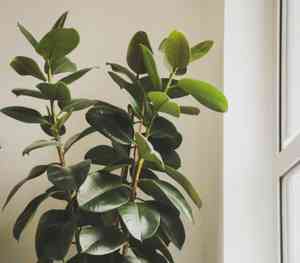
A tropical decorative plant featuring expansive, lustrous foliage, the rubber tree is highly suitable for both interior and exterior design schemes. Crucial pruning entails shortening elongated branches to foster denser development, eliminating any discolored or impaired leaves, and sculpting to preserve its visual appeal. The most opportune moment for pruning is during its reduced growth phase in winter. Pruning benefits the rubber tree by stimulating a more condensed structure, boosting its inherent robustness, and averting ailments through better air circulation among its leaves.
What Are the Benefits of Pruning Rubber Tree?
What Are the Benefits of Pruning Rubber Tree?
Trimming rubber tree promotes robust development and helps maintain its desired form. It eliminates elongated branches, fostering a denser, more appealing structure.
What Is the Best Time for Pruning Rubber Tree?
What Is the Best Time for Pruning Rubber Tree?
Winter is considered the ideal period for pruning because rubber tree enters a dormant phase during this season, meaning its growth slows. Trimming in winter allows for the removal of any overgrown branches or leaves without stressing the plant, as its sap flow is reduced and wounds heal faster. This seasonal timing also prepares rubber tree for a vigorous burst of new growth in the spring, leading to a healthier plant with a more attractive shape.
What Tools Do I Need to Prune Rubber Tree?
Sharp Bypass Pruners
Given that rubber tree's branches are relatively slender and pliable, sharp bypass pruners are perfect for making clean cuts without crushing the stems, which is vital to prevent damage and disease.
Pruning Saw
For the older and thicker branches of rubber tree that are too large for pruners, a pruning saw with fine teeth is recommended to ensure precise and clean cuts.
Gloves
Durable gloves are essential to protect hands from the milky sap released by rubber tree when cut, which can be irritating to skin.
Disinfectant
A blade disinfectant is necessary to prevent the spread of disease between plants during pruning activities.
Wound Sealer
After pruning rubber tree, applying a wound sealer can help protect the cuts from infections and pests.
How to Prune Rubber Tree
Step1: Identify Yellow Leaves
Identify the yellow leaves on rubber tree that need to be removed. These are leaves that have lost their green color and are an indication of either natural aging or a care issue.
Step2: Trim Yellow Leaves with Precision
Use clean, sharp scissors or pruning shears to make precise cuts when removing yellow leaves. Cut the leaf stem where it connects to the main stem or a healthy part of the branch, avoiding any damage to the node.
Step3: Locate Withered Branches
Locate withered branches on rubber tree. These are branches that have lost their vigor, are brown and dry, indicating they are no longer alive or contributing to the plant's growth.
Step4: Prune Back Dead Branches
Carefully prune back withered branches to a healthy section with visible green growth. Make your cut just above a node or leaf to encourage new growth. Avoid leaving stubs as this can lead to disease.
Step5: Correct Leggy Growth
Address leggy growth on rubber tree, which occurs when the plant stretches towards a light source and results in long, thin branches with sparse leaves. This is a sign rubber tree needs more light.
Step6: Cut Leggy Branches at Angle
Prune back the leggy branches to a desired length, cutting just above a leaf or node. Try to make the cut at a 45-degree angle to prevent water from sitting on the stump and encourage new branching.
Step7: Shape Plant Aesthetically
Consider the natural shape of rubber tree and your desired aesthetic when pruning for shape. You can selectively prune branches to encourage a bushier appearance and to maintain an even, balanced structure.
Step8: Sterilize Pruning Tools
After pruning, clean your tools with alcohol or soapy water to prevent the spread of any pests or diseases.
Step9: Dispose of Plant Debris
Dispose of all removed plant material appropriately to reduce the chance of pests or disease.
Step10: Monitor Plant Recovery
Water rubber tree as normal and monitor its recovery and new growth. Adjust care practices, such as improving lighting conditions, to prevent further yellow leaves or leggy growth.
Post-Pruning Care for Rubber Tree
Post-Pruning Care for Rubber Tree
Following pruning, rubber tree requires gentle care. Ensure it's placed in a well-lit area with indirect sunlight, maintaining a consistent temperature of 60-75°F and humidity around 60%. Avoid overwatering; let the top inch of soil dry between waterings. Commence fertilization with a balanced liquid fertilizer after 4 weeks to aid recovery. Observe for wilted leaves or sap oozing, indicating stress or infection. If present, isolate rubber tree and apply fungicide or pesticide as appropriate and reduce stress factors.
Common Pruning Mistakes with Rubber Tree
Over-Pruning Shock
Pruning too much at once, which can shock rubber tree and lead to stress or stunted growth.
Dull or Unclean Tools
Using dull or unclean pruning tools that could create jagged cuts or introduce diseases to rubber tree.
Damaging Main Stem or Old Wood
Cutting into the main stem or the woody part of older branches, which can harm rubber tree and reduce its ability to recover.
Disregarding Plant's Natural Shape
Ignoring the plant's natural shape, leading to an unbalanced or unnatural appearance after pruning.
Ignoring Growth Patterns
Pruning without considering the plant's growth pattern, which could result in fewer leaves and a less dense canopy.
Common Pruning Tips for Rubber Tree
Use Sharp, Clean Shears
Use sharp, clean pruning shears to make clean cuts that rubber tree can heal from quickly and efficiently.
Prune for Symmetry and Balance
Target leggy, overextended branches, or those that disrupt the plantâs symmetry for removal to promote a fuller and more balanced shape.
Cut Above Leaf Nodes
Make cuts just above leaf nodes, where there is active growth, to encourage the development of new shoots and leaves on rubber tree.
Care for Plant Post-Pruning
After pruning, care for rubber tree by providing appropriate water, light, and fertilizer to support recovery and new growth.
Remove Dead or Yellowing Leaves
Regularly remove dead or yellowing leaves to keep rubber tree healthy and direct its energy toward the growth of new foliage.



