How to Prune Weeping fig?
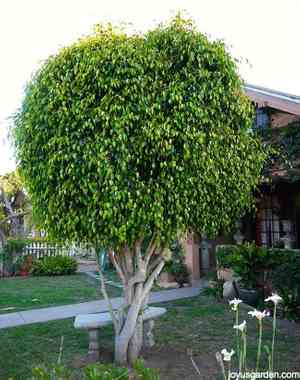
The Ficus benjamina, a favored indoor tree known for its lustrous foliage and elegant drooping form, flourishes with appropriate trimming. Essential methods involve excising deceased or excessively long branches to preserve its structure and foster its well-being. It is most effectively pruned during the winter season to lessen strain, and timely cutting also stimulates abundant leaf growth. Caution must be exercised to avoid excessive pruning, as this could result in defoliation. Trimming results in a neater look and aids in controlling its dimensions for interior environments.
What Are the Benefits of Pruning Weeping Fig?
What Are the Benefits of Pruning Weeping Fig?
Trimming weeping fig promotes vigorous development and maintains its desired form. Strategic cutting manages size, boosts vitality, and controls unruly limbs, ensuring an attractive outline.
What Is the Best Time for Pruning Weeping Fig?
What Is the Best Time for Pruning Weeping Fig?
During this timeframe, weeping fig is typically in a dormant state, which reduces stress and allows the plant to recuperate effectively before the spring growth season. Pruning at this point lessens the chance of sap leakage, which can draw pests and cause illness. Without leaves, the structure of weeping fig is clearly visible, enabling a more deliberate and efficient pruning process. Trimming in late winter ensures that any new growth stimulated by pruning will not be exposed to potential frost damage. Furthermore, removing dead or unhealthy branches before the spring growth surge makes energy and nutrients available for the development of robust new shoots, enhancing the overall health and look of weeping fig.
What Tools Do I Need to Prune Weeping Fig?
Hand Pruners
Perfect for making precise cuts on weeping fig's thinner branches and for shaping the plant. Bypass pruners are recommended for their cleaner cuts that aid in better healing.
Pruning Saw
Essential for cutting through thicker branches of weeping fig that hand pruners cannot manage, supporting healthy growth and structure by efficiently removing larger limbs.
Long-Handled Loppers
Offer additional leverage for cutting through medium-sized branches, useful for reaching into the dense canopy of weeping fig to thin out the interior without harming surrounding foliage.
Sharp Scissors
Helpful for snipping off weeping fig's delicate tips or dead leaves. Sharp scissors ensure clean cuts that prevent tearing, which can lead to disease.
Gloves
Crucial for protecting the gardenerâs hands from the sap of weeping fig, which can irritate some people's skin.
How to Prune Weeping Fig
Step1: Timing Identification
Determine the optimal period to prune weeping fig, typically late winter or early spring before new growth commences. This timing helps minimize plant stress and encourages strong spring growth.
Step2: Tool Preparation
Prepare clean, sharp pruning implements. Disinfect shears or clippers with alcohol or a bleach solution to prevent disease transmission.
Step3: Yellow Leaf Removal
Start by removing any yellowed leaves from weeping fig. Gently pluck the leaves off with your fingers or use pruning shears to snip them close to the stem. Yellow leaves can indicate overwatering, underwatering, or nutrient deficiency.
Step4: Diseased Branch Cutting
Inspect weeping fig for any diseased branches, which may show discoloration, fungus, or unusual growth patterns. Cut these branches back to healthy wood, well below the affected area. Make cuts at a 45-degree angle just above a leaf node or bud.
Step5: Weak Branch Trimming
Locate weak branches on weeping fig that are thin, spindly, or not producing foliage. These can be snipped off at their point of origin or at a strong outward-facing leaf node to encourage more robust growth.
Step6: Canopy Thinning
To reduce an overgrown canopy, thin out weeping fig's branches by cutting back up to one-third of the branch length. Focus on branches that cross or rub against each other to improve air circulation and light penetration.
Step7: Dead Wood Removal
Remove any dead wood from weeping fig to prevent it from becoming a site for pest or disease infestation. Dead branches will feel brittle and snap easily, and can be cut back to the point where they meet healthy wood.
Step8: Plant Shaping
After trimming, shape weeping fig by selectively pruning branches to maintain a balanced, symmetrical appearance. Keep the desired size and shape of weeping fig in mind, as this species can be sensitive to heavy pruning.
Step9: Cleanup
Clear away all removed plant material from around the base of weeping fig to deter any pests or diseases from taking hold.
Step10: Post-Pruning Watering
Water weeping fig immediately after pruning to help reduce stress and facilitate recovery. Ensure that weeping fig is in a location with suitable light conditions and that it's watered consistently, according to its needs.
Step11: Stress Monitoring
Monitor weeping fig for signs of stress after pruning, such as wilting or yellowing leaves, and address any issues promptly to maintain plant health.
Post-Pruning Care for Weeping Fig
Post-Pruning Care for Weeping Fig
Immediately after pruning weeping fig, ensure it is placed in bright, indirect light to facilitate healing and regrowth. Maintain high humidity and a stable temperature between 65-75°F. Post-pruning, wait a month before fertilizing and then apply a balanced, water-soluble fertilizer monthly during the active growth season. Regularly inspect for wilt or discoloration as signs of stress or infection. Prune any affected areas and adjust care as necessary to foster healthy recovery.
Common Pruning Mistakes with Weeping Fig
Damaging with Blunt/Dirty Tools
Using dull or unclean pruning tools, which can harm weeping fig's branches and heighten the risk of disease.
Over-Pruning Stress
Removing too much foliage at once, which can stress weeping fig and hinder its growth or recovery.
Aimless Pruning
Pruning without a clear objective, leading to shapeless or uneven growth patterns.
Ignoring Dead/Diseased Branches
Failing to remove dead or diseased branches, which can impact the overall health of weeping fig.
Improper Cut Placement/Angle
Making cuts too close to the main stem or not at a slight angle, which can prevent proper healing and leave weeping fig vulnerable to pests and diseases.
Common Pruning Tips for Weeping Fig
Sterilize Tools to Prevent Disease
Sanitize pruning tools before use to prevent the spread of diseases to weeping fig.
Remove Unhealthy Branches for Plant Health
Focus on removing dead, damaged, or diseased branches to improve weeping fig's health and appearance.
Prune to Node for Directed Growth
Prune back to a node or a lateral branch to encourage weeping fig to grow in a desired direction.
Preserve Natural Shape by Strategic Pruning
Maintain the natural weeping shape of weeping fig by pruning strategically and avoiding over-pruning.
Support Recovery with Water and Fertilizer
After pruning, care for weeping fig by providing adequate water and possibly a balanced, slow-release fertilizer to support recovery and new growth.
Minimize Stress with Gradual Major Pruning
For major shaping or size reduction, spread pruning over several seasons to minimize stress to weeping fig.



