How to Prune Banyan tree?
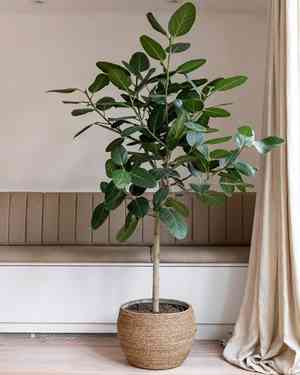
Originating in India, the impressive banyan tree is recognized for its expansive crown and adventitious roots. Trim the banyan tree while it is inactive in winter to preserve its form and vitality. Eliminate deceased or excessively dense branches to enhance air movement. Restrict trimming to under one-third of the canopy to prevent strain. Advantages of pruning encompass encouraged development, diminished susceptibility to illness, and a more orderly look, which are vital for this tree's lifespan and visual appeal.
What Are the Benefits of Pruning Banyan Tree?
What Are the Benefits of Pruning Banyan Tree?
Trimming banyan tree promotes more robust development and helps maintain its form, ensuring it doesn't encroach upon nearby plants or structures.
What Is the Best Time for Pruning Banyan Tree?
What Is the Best Time for Pruning Banyan Tree?
Winter is considered the ideal period for pruning banyan tree due to several reasons. During winter, banyan tree enters a dormant phase where active growth is minimal. This dormancy lessens stress on the tree when branches are removed, as sap flow is slower and the risk of bleeding is reduced. Winter pruning also offers better visibility of the tree's structure, making it simpler to identify which branches should be cut to maintain the desired shape and form. Furthermore, removing excess branches before the spring growth surge can lead to a healthier flush of new leaves, encouraging a more vigorous and visually appealing appearance. It also aids in preventing the spread of pests and diseases, which are more likely to infect open wounds during warmer, active growth periods.
What Tools Do I Need to Prune Banyan Tree?
Sharp Hand Pruners
Essential for making precise cuts on small branches and leaves of banyan tree. They allow for clean cuts that promote healthy regrowth.
Loppers
Ideal for cutting thicker branches that hand pruners cannot handle. They provide leverage to prune branches up to two inches in diameter and ensure precision.
Pruning Saw
Necessary for cutting larger limbs of banyan tree. A coarse-toothed pruning saw can handle the thicker, woody growth without causing damage to the plant.
Pole Pruner
Useful for reaching higher branches of banyan tree without the use of a ladder. It increases safety and accessibility for proper canopy management.
Heavy-Duty Shears
Good for shaping and controlling the extensive foliage of banyan tree. Can be used for regular maintenance of densely leafed areas.
Chainsaw
When necessary, for the removal of very large branches or reduction of banyan tree's size. Should only be used by experienced individuals or professionals, following safety protocols.
How to Prune Banyan Tree
Step1: Inspect Plant for Pruning
Examine banyan tree carefully to identify which parts require pruning, such as dead or weak branches and excess roots. This is best done during the tree's dormant season, typically in the late winter or early spring.
Step2: Disinfect Pruning Equipment
Sanitize all pruning tools using a solution of 1 part bleach to 9 parts water to prevent the spread of disease. Rinse with clean water and dry tools before use.
Step3: Remove Dead Branches
Start by removing any dead branches. Make your cuts just outside the branch collar (the swollen area where the branch meets the trunk) to avoid damaging the trunk. Use a handsaw for branches thicker than 1.5 inches in diameter.
Step4: Cut Away Weak Branches
Remove weak branches that show signs of decay or damage. Cut at a 45-degree angle to the parent branch to promote healing and water runoff.
Step5: Trim Excess Surface Roots
Prune back excess roots that are surfacing above the ground. Make clean cuts with a sharp tool to prevent damage to healthy root structures. Ensure that you do not remove more than 20% of the root mass to avoid stressing banyan tree.
Step6: Thin Canopy for Light and Air
Thin out the canopy of banyan tree to increase light penetration and air circulation. Remove inner branches that cross or are rubbing against each other. This should be done sparingly to maintain the natural shape.
Step7: Clear Debris Post-Pruning
After completing the pruning cuts, clean the area around banyan tree to remove any fallen debris to prevent the attraction of pests and diseases.
Step8: Seal Large Cuts with Wound Paste
Apply a thin layer of wound paste to large cuts to protect them from pests and diseases. Be sure to use a product specifically designed for tree wounds.
Step9: Water Plant After Pruning
Water banyan tree thoroughly after pruning to help reduce stress. If possible, provide a balanced, slow-release fertilizer to support recovery and growth.
Step10: Observe Plant Health Post-Pruning
Monitor banyan tree regularly after pruning for signs of stress or disease, and provide appropriate care as needed. Repeat the pruning process annually or as necessary.
Post-Pruning Care for Banyan Tree
Post-Pruning Care for Banyan Tree
Immediately after pruning banyan tree, it's crucial to maintain a consistently humid environment, shielding the plant from direct sunlight to prevent stress. The temperature should be kept stable to foster rapid healing. Commence a balanced fertilization regime six weeks post-pruning to supply essential nutrients for regrowth. Regularly inspect banyan tree for discoloration or wilt, which may indicate distress or disease. If signs are present, adjust care accordingly and consider consulting a specialist to mitigate health issues.
Common Pruning Mistakes with Banyan Tree
Avoid Excessive Pruning and Tree Shock
Over-pruning is a common mistake where too much of banyan tree is cut away at once. This can shock the tree, leading to stress and poor health.
Use Clean, Sharp Pruning Tools
Using dull or dirty pruning tools can damage the branches of banyan tree, leading to jagged cuts that invite pests and diseases.
Remove Dead or Diseased Branches Promptly
Neglecting to remove dead or diseased branches may cause potential harm to banyan tree, as it allows for further spread of disease and decay within the tree.
Understand Plant Growth Patterns Before Pruning
Pruning without understanding the natural growth pattern of banyan tree can result in an undesirable shape and may hinder its natural canopy development.
Common Pruning Tips for Banyan Tree
Cut at 45-Degree Angle for Rapid Healing
Make clean cuts at a 45-degree angle to avoid water accumulation and promote rapid healing on banyan tree.
Selective Thinning to Boost Airflow and Sunlight
Perform selective thinning of dense foliage to improve air circulation and light penetration, which is crucial for the health of banyan tree.
Prune Aerial Roots Cautiously to Preserve Aesthetics
Prune the aerial roots of banyan tree if they impede pathways or structures, but do so sparingly to maintain the unique aesthetic of the tree.
Use Preliminary Cuts on Large Branches to Avoid Tearing
When removing larger branches, make preliminary cuts to reduce weight and prevent bark tearing on banyan tree. Follow up with precise final cuts to promote healthy regrowth.
Maintain Sharp and Clean Tools to Enhance Healing
Keep pruning tools sharp and clean to prevent the spread of disease and ensure precise cuts on banyan tree, enhancing the tree's healing process.



