How to Prune Council tree?
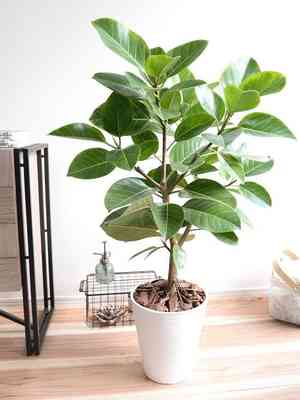
This broad-leaved, perennial tree is recognized for its impressive patterned leaves and towering presence in both interior and exterior environments. For council tree, consistent trimming is advantageous for preserving its form and stimulating denser development. Essential methods involve reducing congested branches, severing just above leaf junctions, and eliminating any lifeless or compromised branches. The most effective pruning should take place in winter when the plant is inactive. Meticulous pruning aids in controlling council tree's dimensions and boosts its decorative value, simultaneously averting potential problems with pests and illnesses.
Advantages of Trimming Council Tree
Advantages of Trimming Council Tree
Trimming council tree promotes robust development and helps maintain its form, ensuring a strong structure and an attractive appearance. It is particularly crucial to remove any weak, dead, or crossing branches to foster a healthier specimen.
Optimal Period for Pruning Council Tree
Optimal Period for Pruning Council Tree
Pruning council tree in late winter is beneficial because the plant is dormant with minimal active growth, reducing stress from cutting. This timing helps prevent sap loss, which can be more problematic during active growth or flowering. Additionally, the absence of leaves offers clearer visibility of the plant's structure, allowing for more precise cuts. Late winter pruning enables council tree to direct energy towards healing and vigorous growth in the spring. Avoid autumn pruning as it can stimulate new growth that may not survive winter temperatures.
Required Tools for Pruning Council Tree
Sharp Bypass Pruners
Perfect for making clean cuts on green, live branches of council tree without crushing tissues, which can facilitate quicker healing.
Long-Handled Loppers
Suitable for reaching higher branches and providing the necessary leverage for thicker stems common with council tree.
Pruning Saw
Essential for cutting through branches too thick for pruners and loppers, typically those exceeding 2 inches in diameter.
Pole Pruner
Allows for the trimming of elevated branches without a ladder, important for taller council tree specimens.
Hedge Shears
Useful for shaping the dense foliage of council tree when a more formal look is desired, or for trimming hedges made from this plant.
Gloves
Protects hands from the sap of council tree, which might cause skin irritation in some individuals.
How to Prune Council Tree
Clean Tools
Before beginning to prune council tree, ensure all pruning tools are clean and sharp. Disinfect shears or saws with a solution of one part bleach to nine parts water to prevent disease spread.
Identify Parts
Examine council tree carefully and identify any dead or diseased branches. These will typically appear different in color or texture compared to healthy growth. Dead branches are often dry and brittle, while diseased branches may show discoloration or signs of fungal growth.
Cut Dead Branches
Using the appropriate tool, cut dead branches on council tree at their junction with a larger branch or the trunk. Make the cut just outside the branch collar (the swollen area at the base of the branch) to promote proper healing.
Remove Diseased Branches
Carefully remove diseased branches from council tree by cutting them well below the affected area to ensure all diseased tissue is eliminated. Avoid tearing the bark or leaving jagged edges, as this can cause further damage.
Disposal
Properly dispose of removed dead and diseased branches by burning them or placing them in a sealed bag for disposal. This prevents the spread of any potential disease and keeps council tree's surrounding environment clean.
Common Pruning Errors with Council Tree
Excessive Pruning
A frequent error is removing too much foliage at once, which can stress council tree and hinder its growth. It's crucial to prune no more than 25% of the foliage in any single session to avoid overtaxing the plant.
Incorrect Cut Placement
Cuts should be made just above leaf nodes, as improper cuts can lead to dieback or disease. Cutting too far from a node can result in dead stubs, while cutting too close can damage the node itself.
Using Dull Tools
Dull pruning tools can crush council tree's stems and leave ragged cuts that are more susceptible to infection. Always use sharp, clean tools for precise cuts.
Neglecting Damaged Limbs
Some gardeners overlook the importance of removing dead, diseased, or damaged limbs. This neglect can lead to further decay and infection, potentially harming the entire plant.
Ignoring Plant Structure
Pruning without considering the natural shape of council tree may result in a less aesthetically pleasing form and poor air circulation among the branches.
General Pruning Advice for Council Tree
Clean Pruning Tools
Before starting, ensure all pruning tools are clean and sharp to make precise cuts and minimize disease risk.
Identify Growth Nodes
Locate the growth nodes; these are the points from which new growth will emerge. Make cuts just above these nodes to encourage healthy new stems.
Thin Crowded Areas
By selectively thinning dense areas, you can enhance air circulation and light penetration, vital for council tree's health and development.
Maintain Natural Form
Focus on preserving the natural habit of council tree when pruning. This involves cutting back to a lateral branch, or a leaf node facing outwards, which promotes outward growth.
Monitor Plant Response
After pruning, observe council tree's reaction. Healthy new growth indicates successful pruning. Adjust techniques based on the plant's responses to previous pruning sessions.



