How to Prune Red Fescue?
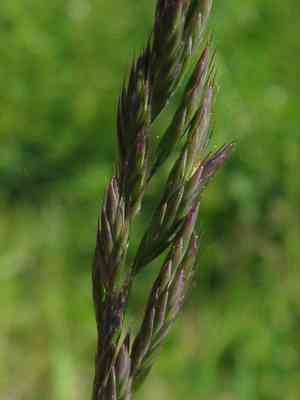
This cold-weather, clump-forming grass flourishes in diverse environments. For red Fescue, cut back spent leaves in early spring prior to the emergence of fresh shoots. A subsequent, less intensive trimming can be performed in early autumn to neaten plants following summer's demands. Trimming encourages robust new development, discourages unwanted organisms, and preserves a pleasing look. Sanitize implements to avert the transmission of ailments. Employ keen clippers for precise incisions and guarantee negligible disruption to the root areas.
What Are the Benefits of Pruning Red Fescue?
What Are the Benefits of Pruning Red Fescue?
Trimming red Fescue promotes robust development and maintains its form, ensuring a thick, even lawn. This leads to a healthier, more visually appealing turf, with enhanced resistance to foot traffic and environmental pressures.
What Is the Best Time for Pruning Red Fescue?
What Is the Best Time for Pruning Red Fescue?
From early to late spring, red Fescue enters an active growth period, making it an opportune time for trimming to encourage healthy, dense growth before the peak season. This timing allows the plant to recover from cuts prior to summer stressors like heat and drought. Pruning in early to late fall enables gardeners to remove any dead or diseased foliage after the growing season, which can help prevent fungal infections and pests that thrive in decaying plant matter. Additionally, it gives red Fescue a chance to conserve energy for root development and prepare for winter dormancy.
What Tools Do I Need to Prune Red Fescue?
Manual Grass Shears
Grass shears are perfect for red Fescue due to their accuracy and ability to neatly trim around the plant's base without causing harm.
Sharp Scissors or Snips
Red Fescue can be easily managed with sharp scissors or snips, as they provide a clean cut on the fine grass blades and minimize potential plant damage.
Lawnmower
For larger areas of red Fescue, a lawnmower with a sharp blade set to an appropriate height can deliver an even and healthy trim across the turf.
String Trimmer
A string trimmer can be carefully employed around the edges of red Fescue patches to maintain a neat border without disturbing the root system.
Leaf Rake
After trimming, a leaf rake is useful for gathering and removing clippings from red Fescue, promoting better air circulation and reducing disease risk.
How to Prune Red Fescue
Step1: Assess Plant for Pruning
Examine red Fescue to identify dead foliage, wilted leaves, and excessive stem growth that needs trimming. The optimal time for pruning red Fescue is in the spring, just as new growth begins to appear.
Step2: Sterilization of Shears
Sanitize your pruning shears with a solution of 1 part bleach to 9 parts water to prevent disease transmission. Allow the shears to dry before use.
Step3: Expose Foliage for Pruning
Begin by gently raking your hands through red Fescue to separate the blades and expose any dead or wilted foliage for easy access.
Step4: Cutting Dead Foliage
Carefully remove the dead foliage at the base of red Fescue where it emerges from the soil. Be precise to avoid harming healthy, green growth.
Step5: Removing Wilted Foliage
Eliminate any wilted foliage by cutting them at the point where they start to turn brown. Ensure the cut angle matches the natural shape of red Fescue's foliage.
Step6: Trimming Excess Stem Growth
Address excessive stem growth by trimming the stems down to the desired height. Do not remove more than one-third of the stem's length to ensure red Fescue remains healthy and can recover quickly.
Step7: Shaping the Plant
Shape red Fescue by selectively trimming to maintain a natural-looking, mounded form. Avoid over-pruning or creating an overly manicured appearance, which is not typical for red Fescue.
Step8: Disposal of Clippings
Clear away all clippings from around red Fescue to deter pests and disease. Compost healthy pruned material if possible.
Step9: Post-Pruning Watering
Water red Fescue thoroughly after trimming to aid plant recovery and reduce stress.
Step10: Monitoring Post-Prune Recovery
Observe red Fescue over the subsequent weeks for new growth. Repeat the above steps as needed, but limit pruning to once a year to keep red Fescue healthy and stress-free.
Post-Pruning Care for Red Fescue
Post-Pruning Care for Red Fescue
Immediately after trimming red Fescue, water the soil generously to alleviate stress and encourage recovery. Maintain ideal environmental conditions: partial sun to light shade, cool temperatures, and consistent moisture without waterlogging. Apply a balanced fertilizer to replenish nutrients; monitor for discolored leaves and weak growth as stress indicators. If signs of disease appear, apply appropriate fungicides, and improve air circulation around red Fescue to prevent further infections.
Common Pruning Mistakes with Red Fescue
Overly Severe Pruning Stress
Trimming red Fescue too aggressively, which can stress the plant and potentially lead to weakened turf.
Using Blunt or Unclean Tools
Employing dull or unsanitized pruning tools, which can damage red Fescue's delicate grass blades and introduce disease.
Disregarding Natural Growth Habit
Ignoring the natural growth pattern of red Fescue by pruning in a way that goes against its clumping form, potentially disrupting its growth pattern and aesthetic value.
Common Pruning Tips for Red Fescue
Sharp, Clean Tool Usage
Utilize sharp, clean cutting implements to ensure precise cuts, minimizing damage to red Fescue's blades and preventing disease spread.
One-Third Grass Blade Pruning Rule
When trimming, aim to remove only the top one-third of the grass blade to maintain red Fescue's health and encourage denser growth without over-stressing the plant.
Utilize Short Clippings as Natural Mulch
After mowing or cutting back red Fescue, leave the clippings if they are short; they can serve as a natural mulch and provide nutrients as they decompose.



