How to Prune Blue fescue?
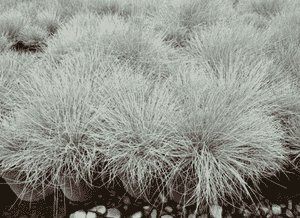
This decorative grass, known for its dense, mounding structure and vibrant blue leaves, greatly benefits from precise cutting. To preserve its tidy form and strength, blue fescue requires pruning in late winter or early spring, prior to the emergence of new shoots. Reduce the foliage to several inches above the soil level to eliminate deceased matter and stimulate new development. This method improves air movement, discourages insects, and ensures blue fescue remains visually attractive and robust.
Advantages of Trimming Blue Fescue
Advantages of Trimming Blue Fescue
Trimming blue fescue promotes vigorous new development and helps maintain its compact, spherical form. This is crucial for both the plant's well-being and its visual appeal in the garden.
Optimal Time for Trimming Blue Fescue
Optimal Time for Trimming Blue Fescue
Trimming in early spring is ideal as it occurs just before blue fescue enters its active growth period. This timing allows the gardener to shape the plant and remove any dead or damaged leaves without impeding its growth, as new shoots have not yet fully formed. Pruning in winter is also beneficial because blue fescue is dormant during this time. Trimming while the plant is inactive helps prevent stress and encourages robust growth when temperatures rise. Additionally, in winter, the plant's structure is more visible, making it easier to identify and remove any problematic areas. These seasons avoid cutting back blue fescue during late spring or early summer when it might be developing new flowering shoots, which could hinder its display and overall health.
Required Tools for Trimming Blue Fescue
Hand Pruners
Perfect for cutting back dead or faded foliage in blue fescue, allowing for precise cuts without harming the grass clumps.
Grass Shears
Handheld shears enable trimming and shaping of blue fescue without damaging the plant's crown. Especially useful for removing spent flower stalks.
Thinning Shears
Useful for thinning dense areas while preserving the natural dome shape of blue fescue, providing a more delicate cut than standard pruners.
Leaf Rake
A gentle implement to clear clippings and debris from blue fescue after trimming, minimizing harm to the plant's base.
Gardening Gloves
Hand protection during the trimming of blue fescue, preventing skin irritation from contact with foliage.
Compost Bin or Bag
For disposing of the clippings and dead material after trimming blue fescue, promoting sustainability by recycling plant matter.
How to Trim Blue Fescue
Step1: Timing for Trimming
Wait for the appropriate time to trim blue fescue. The best time to trim blue fescue is in early spring, when new growth is just starting and before the summer heat arrives.
Step2: Tool Preparation
Prepare the necessary tools for trimming blue fescue. Use sharp, clean pruning shears or scissors to make precise cuts. Sanitize the blades with rubbing alcohol to prevent disease transmission.
Step3: Remove Dead Foliage
Begin by removing dead foliage from blue fescue. Gently comb through the grass blades with your fingers or a small rake to lift old, dead material away from the plant's base.
Step4: Snip Dead Material
Use the shears to carefully cut away the dead foliage. Snip the dead material as close to the base as possible without harming new growth. Ensure all dead matter is removed to prevent rot and disease.
Step5: Identify Old Foliage
Proceed to trim old foliage from blue fescue. Identify older blades that are no longer blue and have turned a tan or brown color, indicating they are past their prime.
Step6: Trim Old Blades
Cut the old foliage. Trim these older blades at the base, being careful to preserve the healthy blue-green foliage that gives blue fescue its distinctive color.
Step7: Shape the Plant
Shape blue fescue if needed. After removing dead and old foliage, give blue fescue a uniform appearance by lightly trimming any irregular or overly long blades to maintain a neat, rounded shape.
Step8: Dispose of Trimmed Foliage
Collect and dispose of trimmings. Gather all the trimmed foliage and dispose of it properly to keep the area clean and prevent pests or diseases from establishing in the debris.
Step9: Post-Trimming Watering
Water blue fescue lightly after trimming. This helps blue fescue recover from the trimming process and encourages new growth, ensuring your blue fescue remains healthy and vibrant.
Step10: Monitor Plant Health
Monitor blue fescue after trimming for signs of stress or disease. Watch for any discoloration or wilting, which may indicate a problem. Promptly address any issues to ensure the long-term health of blue fescue.
Aftercare for Blue Fescue Following Trimming
Aftercare for Blue Fescue Following Trimming
Immediately after trimming, water blue fescue thoroughly to aid its recovery. Ensure it's situated in an area with appropriate lightâfull sun to partial shadeâand shield it from extreme temperatures. Maintain ambient humidity to prevent stress. Apply a balanced, slow-release fertilizer to support new growth, but avoid excessive fertilization. Monitor blue fescue for signs of distress, such as wilting or discoloration. If signs of infection appear, promptly treat with a fungicide or pesticide according to label instructions. Consistent post-trimming care promotes blue fescue's robust regrowth.
Common Trimming Errors with Blue Fescue
Excessive Cutting Harms Plant Shape and Growth
Trimming blue fescue too severely can damage the plant's natural form and hinder new growth. Gardeners should avoid cutting back the grass by more than one-third of its height.
Trim Only Dead Parts to Preserve Plant Health
Removing healthy green foliage instead of just the brown and dead parts can stress blue fescue. The focus should be on trimming away dead or faded grass blades to maintain the plant's vitality.
Use Sharp, Clean Tools to Prevent Disease
Using dull or dirty trimming tools can result in jagged cuts and introduce disease to blue fescue. Always use sharp, clean tools for precise cuts and to promote quick healing.
Helpful Trimming Advice for Blue Fescue
Gentle Comb-Out Promotes Growth without Damage
For blue fescue, perform a 'comb-out' using fingers or a rake to gently remove dead foliage, which encourages new growth without harming the living grass blades.
Trim Brown Tips to Encourage Healthy Foliage
Trim the tips of blue fescue if they turn brown to maintain an attractive appearance and encourage fresh, blue-green foliage to emerge.
Remove Flower Stalks Post-Bloom for Dense Growth
After the flowering season, cut back the flower stalks of blue fescue to their base to redirect the plant's energy into foliar growth and ensure a denser, more rounded clump formation.



