How to Prune Paperplant?
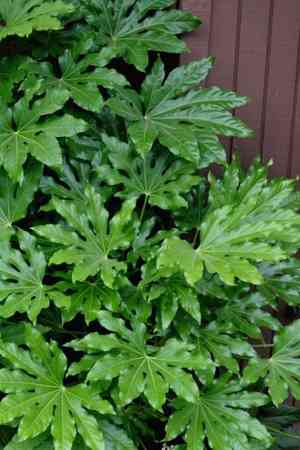
A favored decorative plant featuring expansive, lustrous leaves, paperplant flourishes with consistent removal of withered or compromised foliage. Perform pruning during the winter, shortening elongated stems to foster a more compact development. Strategic thinning enhances air movement and light exposure. Refrain from aggressive pruning; paperplant reacts most favorably to delicate intervention. Advantages encompass a preserved form, stimulated growth, and improved plant well-being.
What Are the Benefits of Pruning Paperplant?
What Are the Benefits of Pruning Paperplant?
Trimming paperplant promotes robust development and preserves its form. This practice stimulates fresh, healthy foliage, ensuring paperplant remains visually appealing and well-proportioned in its setting.
What Is the Best Time for Pruning Paperplant?
What Is the Best Time for Pruning Paperplant?
Winter is considered the ideal period for pruning paperplant as the plant is in a dormant state. Pruning during dormancy minimizes plant stress, as it's not actively growing, and reduces sap loss which can attract pests. Additionally, the bare branches in winter offer a clearer view for shaping, fostering a healthier structure as it enters its active spring growth. Avoid pruning during flowering or new foliage development to prevent disrupting these natural cycles.
What Tools Do I Need to Prune Paperplant?
Hand Pruners
Perfect for clipping thin stems and leaves of paperplant. They provide a clean cut vital for maintaining the plant's health and appearance.
Loppers
Best for cutting thicker stems that hand pruners cannot manage; they offer leverage for clean cuts without harming paperplant.
Pruning Saw
Essential for removing larger branches, especially when paperplant has matured and developed more substantial limbs.
Gardening Gloves
Crucial for protecting hands from scratches and sap while pruning paperplant.
Cleaning Solution
Important for sanitizing tools between cuts to prevent the spread of disease in paperplant.
Sharpener
Keeping tools sharp ensures precise cuts, which is important for the health of paperplant.
How to Prune Paperplant
Step1: Health Assessment
Evaluate paperplant's overall health and state before you start. Identify any dead branches, diseased stems, and misshapen growth that requires attention.
Step2: Pruning Tool Preparation
Gather the necessary tools for pruning paperplant, including a clean, sharp pair of secateurs, a pruning saw for larger branches, and gloves to protect your hands.
Step3: Tool Sterilization
Sanitize your tools with rubbing alcohol or a 10% bleach solution to prevent the transmission of disease between plants during pruning.
Step4: Removing Dead Branches
Begin by removing dead branches. Make your cut at the base of the dead branch, just above where it connects to a larger stem or the main trunk. Ensure the cut is clean and angled to prevent water accumulation.
Step5: Excising Diseased Stems
Next, identify and remove diseased stems. Make cuts well below the affected areas to ensure all infected material is gone. Dispose of diseased material properly, away from your compost pile to prevent disease spread.
Step6: Correcting Unshapely Growth
To address misshapen growth, determine the desired form for paperplant and look for any branches that are out of place. Prune these branches back to a main stem or to an outward-facing leaf node to encourage a more pleasing shape.
Step7: Pruning Limitation
While shaping paperplant, be careful not to remove more than one-third of the plant's total foliage in a single pruning session, as this can stress the plant.
Step8: Cleanup After Pruning
Once pruning is complete, clear all debris from around the base of paperplant to prevent fungal diseases and pests.
Step9: Post-Pruning Watering
Water paperplant lightly if the soil is dry to help the plant recover from the stress of pruning. Avoid fertilizing immediately after pruning, as this can promote excessive new growth before the plant has had a chance to heal.
Step10: Growth Monitoring
Monitor paperplant over the next few weeks for signs of stress or disease. New growth should emerge from the pruning points, indicating a successful prune.
Post-Pruning Care for Paperplant
Post-Pruning Care for Paperplant
Immediately after pruning paperplant, ensure proper wound care by leaving cuts clean and avoiding sealing treatments. Maintain a stable environment with indirect light, moderate humidity, and temperatures between 60 to 75°F to reduce stress. Initiate a balanced fertilization regimen after one month to support new growth. Monitor paperplant for wilted leaves, discoloration, or sap oozing, indicating stress or infection. If signs appear, adjust care and consult a horticulturist for potential treatments.
Common Pruning Mistakes with Paperplant
Over-Pruning Can Shock Plant
Pruning paperplant too aggressively can shock the plant and hinder its growth. Avoid removing more than one-third of the foliage at any given time.
Damaged Stems from Dull Tools
Using blunt or unclean pruning tools on paperplant can harm the stems and introduce diseases. Always use sharp, sanitized cutting instruments.
Neglecting Inner Growth Pruning
Pruning only the outer growth of paperplant and ignoring the interior branches can lead to poor air circulation and insufficient light penetration within the plant. It's essential to thin out some of the inner growth as well.
Common Pruning Tips for Paperplant
Remove Dead or Damaged Branches First
Identify any dead, diseased, or damaged branches on paperplant and remove them initially to maintain plant health and appearance.
Prune Above Leaf Node for New Growth
When pruning paperplant, make cuts just above a leaf node or a branching point to encourage new growth in the desired direction.
Selective Pruning for Natural Shape
To maintain the natural shape of paperplant and encourage a fuller appearance, selectively prune longer, outlying branches back to a side shoot or leaf node.



