How to Prune European beech?
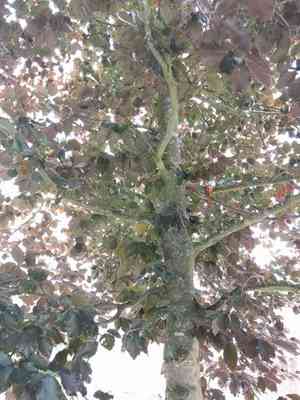
A magnificent deciduous tree featuring a wide and thick crown, european beech flourishes with proper trimming. Essential methods involve reducing congested limbs and eliminating deceased or ailing wood. The ideal period for pruning is from late winter to early spring, prior to the emergence of new foliage. This schedule minimizes sap exudation, a common issue for european beech. Pruning not only sculpts the tree and fosters its well-being but also manages light infiltration, thereby improving the tree's structural soundness.
What Are the Benefits of Pruning European Beech?
What Are the Benefits of Pruning European Beech?
Trimming european beech encourages vigorous development and preserves its form. This action ensures a strong framework, stimulates new growth, and keeps its outline graceful, which is particularly important for decorative purposes.
What Is the Best Time for Pruning European Beech?
What Is the Best Time for Pruning European Beech?
During late winter, european beech is typically dormant, which minimizes the stress pruning can cause to the plant. This timing allows gardeners to shape the plant without the risk of encouraging new growth that could be damaged by frost. Furthermore, the absence of leaves provides better visibility for making precise cuts and identifying any diseased or damaged wood that needs removal. Pruning in early spring, just before the onset of the growth cycle, supports the plant's natural vigor and directs energy into producing new, healthy growth. This period also precedes the formation of any flowers or fruit, ensuring that the plant's reproductive success is not compromised by the removal of potential blossoms or fruit-setting branches.
What Tools Do I Need to Prune European Beech?
Hand Pruners
Used for cutting small branches up to 1 inch in diameter for shaping or removing deadwood.
Loppers
Suited for branches between 1 and 2 inches in diameter; the long handles provide leverage for cleaner cuts.
Pruning Saw
Necessary for branches over 2 inches in diameter, allowing for controlled and precise cuts without damaging european beech.
Hedge Shears
Ideal for shaping hedges and for formal pruning to maintain european beech's desired shape.
Pole Pruner
Helpful for reaching higher branches without the use of a ladder, ensuring safety while pruning european beech.
How to Prune European Beech
Step1: Timing Selection for Pruning
Choose the appropriate period for trimming european beech, ideally from late winter to early spring before new growth begins but after the coldest part of winter has passed, to avoid harming the tree during its vulnerable stages.
Step2: Tools Preparation and Sterilization
Clean and sharpen your pruning tools to ensure precise cuts and to prevent the spread of disease. Disinfect tools with a 10% bleach solution or rubbing alcohol.
Step3: Dead Wood Identification
Inspect european beech for dead wood by looking for branches that lack buds or have a dry, brittle appearance. Test by scratching a small piece of bark; living tissue will be green underneath.
Step4: Trimming Dead Branches
Trim all dead wood by making cuts at the point where the dead branch meets healthy wood. Ensure your cut is clean and close to the trunk without damaging the branch collar, the area of raised bark where the branch meets the trunk.
Step5: Damaged Limbs Inspection
Examine european beech for any damaged limbs that might be caused by storms, animals, or mechanical injury. Check for cracks, splits, or breaks in the branches.
Step6: Damaged Limbs Removal
Remove damaged limbs by cutting them back to a point of healthy wood, well before any visible damage. If the branch is large, use the three-cut method to avoid tearing the bark. First cut halfway through the branch from the bottom, about a foot from the trunk. Make the second cut from the top, a few inches beyond the first cut, to allow the branch to fall cleanly. The final cut should be made just outside the branch collar.
Step7: Diseased Sections Diagnosis
Identify diseased sections by discoloration, unusual growths, or the presence of insect damage or fungal growth. Make note of any sections that need to be removed.
Step8: Pruning Diseased Parts
Prune diseased sections by cutting them well back into healthy tissue. After each cut, disinfect your pruning tools to avoid spreading disease to healthy parts of european beech.
Step9: Shaping and Thinning Canopy
Shape european beech by removing any crossing branches that could rub together and cause wounds, and by thinning out the canopy to allow light and air to penetrate. This should only be done as needed, as european beech has a naturally pleasing shape.
Step10: Pruned Material Disposal
Dispose of all pruned material away from european beech to prevent the potential return of pests or diseases. Never compost diseased material.
Step11: Wound Dressing Application
Apply a wound dressing to large cuts on european beech if they are not healing properly, though this is not usually necessary as european beech typically heals well on its own.
Step12: Post-Pruning Monitoring and Care
Monitor european beech after pruning for signs of stress or disease, and provide water if conditions are dry. Minimizing stress helps european beech recover more quickly from pruning.
Post-Pruning Care for European Beech
Post-Pruning Care for European Beech
Immediately after pruning european beech, ensure clean cuts to aid in rapid healing. Maintain moderate lightâavoiding direct sunlightâto reduce stress. Keep the surrounding environment slightly humid and protect european beech from temperature extremes. Apply a balanced, slow-release fertilizer to support regrowth, avoiding excess nitrogen that can promote vulnerable, sappy shoots. Monitor european beech regularly for wilt, discoloration, or oozing wounds, which could indicate stress or infection. If symptoms arise, provide adequate plant hygiene and consult an arborist for potential treatments.
Common Pruning Mistakes with European Beech
Over-pruning crown of european beech
Trimming too aggressively, removing more than a quarter of the crown of european beech in a single season, which can stress the tree and lead to weak growth.
Improper pruning cuts on european beech
Making improper cuts, such as leaving stubs or cutting too close to the trunk, can create entry points for diseases and pests in european beech.
Not sterilizing tools between prunes
Neglecting to sterilize pruning tools between cuts and trees, potentially spreading diseases among european beech and other plants in the garden.
Central leader identification failure in european beech
Failure to identify and preserve the central leader during pruning, which is crucial for maintaining the natural shape and structure of european beech.
Ignoring problematic branches on european beech
Ignoring dead, diseased, or crossing branches, which should be the first to go when pruning european beech for the health and aesthetics of the tree.
Common Pruning Tips for European Beech
Sharp, clean tools for healthy cuts on european beech
Use sharp, clean pruning tools to make precise cuts that will heal quickly and minimize the risk of disease in european beech.
Adhering to 'one-third' rule for pruning european beech
Follow the 'one-third' rule, where single branches are cut back to a lateral branch that is at least one-third the diameter of the limb being removed to encourage proper healing in european beech.
Enhance natural shape, not alter european beech
Identify the tree's natural shape and prune with the goal of enhancing, not altering it. Aim to maintain the elegant, sweeping form that is characteristic of european beech.
Prompt removal of compromised branches on european beech
Remove any dead, broken, or diseased branches as soon as they are noticed to maintain the health of european beech, which will also improve air circulation and light penetration.
Correct pruning cut location for european beech
Make pruning cuts just outside the branch collar, the swollen area of trunk tissue that forms around the base of a branch, to promote proper healing and prevent decay in european beech.



