How to Prune American beech?
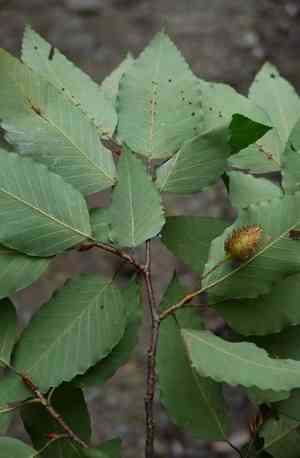
A magnificent deciduous tree, the american beech is celebrated for its sleek gray bark and vivid leaves. Trimming is crucial for preserving its grand form, best carried out in late winter or early spring to reduce sap loss. Essential methods involve excising dead or ailing wood, reducing crowded branches to boost light exposure, and corrective shaping to refine its architecture. Judicious pruning cultivates a strong scaffold, curbs the dissemination of ailments, and stimulates vigorous development.
What Are the Benefits of Pruning American Beech?
What Are the Benefits of Pruning American Beech?
Trimming american beech promotes robust development and maintains its form. Strategic branch removal ensures healthy growth, maximizes visual appeal, and prevents excessive growth, contributing to overall plant vigor.
What Is the Best Time for Pruning American Beech?
What Is the Best Time for Pruning American Beech?
Pruning american beech is best performed in late winter or early spring to avoid cutting during the sap flow period, which can stress the tree and lead to excessive bleeding. During this time of year, american beech is still dormant, which minimizes the risk of disease and pest infestation that can occur with pruning wounds. It also allows american beech to heal from pruning cuts before entering its active growth phase, promoting a healthier response and recovery. Furthermore, the absence of leaves allows for a clearer view of the tree's structure, enabling more precise and strategic cuts.
What Tools Do I Need to Prune American Beech?
Hand pruners
Perfect for cutting small branches up to 3/4 inch thick. American beech often has smaller branches that require precision cuts to maintain its shape and health.
Loppers
Suitable for cutting branches up to 2 inches in diameter. American beech has thicker branches as it matures, and loppers provide the leverage necessary for cleaner cuts without damaging the tree.
Pruning saw
Essential for branches over 2 inches in diameter that hand pruners and loppers cannot handle. American beech can develop large limbs that need to be removed for proper maintenance.
Pole pruner
Allows safe pruning of high branches without the use of a ladder. American beech can reach significant heights, and a pole pruner helps in reaching those tall branches.
Hedge shears
Appropriate for shaping young american beech hedges when precise, manicured forms are desired. However, for older, woodier specimens, use more suitable tools like hand pruners or loppers.
Cleaning solution
To prevent the transmission of diseases, it is crucial to disinfect tools between cuts, especially when dealing with multiple american beech or other plants.
How to Prune American Beech
Step1: Optimal Pruning Season
Choose the Correct Time of Year: The best time to prune american beech is in late winter or early spring, before new growth begins. Pruning at this time of year allows for better wound healing and reduces the risk of disease.
Step2: Preparation of Pruning Tools
Clean and Sharpen Tools: Before you start pruning, ensure your tools (pruning shears, loppers, and saws) are clean and sharp. This helps make clean cuts and prevents the spread of diseases.
Step3: Tree Health Inspection
Inspect the Tree: Examine the american beech for dead wood, diseased branches, and low branches that need to be removed. Mark the branches with tape to keep track of them during the pruning process.
Step4: Dead Branch Removal
Remove Dead Wood: Start with dead branches as they serve no benefit to american beech and can be harmful if they break and fall. Cut dead branches back to the point of live tissue or to the trunk, ensuring not to damage the collar (the swollen area where the branch joins the trunk).
Step5: Diseased Branches Elimination
Treat Diseased Branches: Identify any diseased branches by looking for discolored bark or wood, unusual growths, or leaves that look different from the rest. Prune these branches well below the affected area to prevent the disease from spreading, and do not compost the material.
Step6: Low Branch Trimming
Prune Low Branches: If lower branches are obstructing pathways or are too close to the ground, selectively prune these at their point of origin or to a lateral branch that is at least one-third the diameter of the branch being removed.
Step7: Tree Shaping and Thinning
Shaping the Tree: When removing branches for shape, use thinning cuts to maintain american beech's natural form. Remove branches that are crossing, rubbing, or growing inward. Cut just above a bud facing the outside of the tree to encourage growth in that direction.
Step8: Proper Cutting Technique
Making the Cut: When cutting branches, use the three-cut method to prevent bark tearing. First, make a notch on the underside of the branch a few inches away from the trunk. Second, move outward and cut through the branch from the top. Lastly, make a final cut just outside the branch collar, removing the stub.
Step9: Post-Pruning Care
Wound Dressing: After pruning, do not apply wound dressing or paint. American beech trees heal better without these materials, which can actually promote decay and hinder the natural compartmentalization of decay.
Step10: Pruning Debris Cleanup
Clean Up: Remove all debris from the area to prevent the spread of disease and dispose of it properly, especially if it contains diseased material. Always sterilize your tools after use with a solution of bleach or alcohol to prevent disease spread.
Step11: Post-Pruning Observation
Observe and Assess: After pruning, observe the american beech over the following seasons to assess the tree's health and its response to the pruning. Adjust your pruning strategies based on the tree's growth and development.
Post-Pruning Care for American Beech
Post-Pruning Care for American Beech
After pruning american beech, immediately ensure clean cuts to aid healing. Manage exposure to indirect sunlight, maintaining moderate humidity, and stable temperatures to minimize stress. Implement a balanced fertilization routine, avoiding excess nitrogen to support root and leaf development without overstimulation. Monitor american beech for wilted leaves, discoloration, or sap leakage indicating stress or disease. Upon signs of distress, consult an arborist to address potential infections or pests promptly.
Common Pruning Mistakes with American Beech
Excessive Canopy Removal Stresses Tree
One common mistake is removing too much of american beech's canopy at once, which can stress the tree and reduce its vigor.
Improper Cut Placement Promotes Decay
Another error is making improper cuts, such as leaving large stubs or cutting too close to the trunk, which can lead to disease and decay.
Unsanitized Tools Spread Pests and Diseases
Failing to sanitize pruning tools before and after use on american beech can spread pests and diseases to and from other plants.
Ignoring Dead Limbs Compromises Tree Health
Neglecting to remove dead, damaged, or diseased limbs during routine maintenance can compromise american beech's health and structural stability.
Topping Causes Disfigurement and Weak Sprouts
Some gardeners incorrectly cut off the top part of american beech to reduce its height, which can disfigure the tree and lead to weak, vertical sprouts known as 'water sprouts'.
Common Pruning Tips for American Beech
Clean Angle Cuts for Healthier Growth
When pruning american beech, make clean cuts at a slight angle about 1/4 inch above an outward-facing bud or branch, to encourage proper healing and desirable growth direction.
Prune for Strong Central Leader and Structure
Prune young american beech trees to establish a strong central leader and good branch structure, removing any competing leaders or branches with narrow crotch angles.
Sharp Clean Tools for Precise Cuts
Always use sharp, clean pruning tools to make precise cuts and prevent damage to american beech's bark and underlying tissue.
Thinning Canopy for Light Penetration and Health
Thin out american beech's canopy to allow light and air to penetrate, which helps reduce the likelihood of disease and improves overall tree health.
Three-Cut Method for Safe Large Branch Removal
When removing larger branches, use the three-cut method: first, undercut the branch slightly away from the trunk, then cut down from the top further out to remove most of the branch weight, and finally, make a clean cut close to the trunk without damaging the branch collar.



