How to Prune White wood aster?
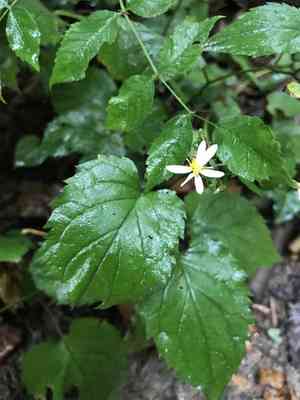
A perennial indigenous to Eastern North America, white wood aster features cordate leaves and groupings of star-like white blossoms. To encourage robust development, removing faded blooms and reducing stems by one-third after flowering boosts subsequent blooming and preserves its structure. The ideal period for eliminating deceased or compromised foliage is spring, whereas summer trimming fosters a dense shape. Trimming white wood aster additionally manages its expansion while revitalizing the plant's vitality, crucial for upholding garden beauty and well-being.
What Are the Benefits of Pruning White Wood Aster?
What Are the Benefits of Pruning White Wood Aster?
Trimming white wood aster promotes robust development and maintains its attractive form. Strategic cutting back manages size, stimulates fresh, healthy shoots, boosts flower production, and prevents overcrowding, enhancing both garden design and plant vitality.
What Is the Best Time for Pruning White Wood Aster?
What Is the Best Time for Pruning White Wood Aster?
The optimal time for pruning white wood aster is in late spring or early summer, following its bloom, to allow for vigorous recovery and to prepare the plant for the subsequent growing season. This timing helps maintain the plant's structure, removes any dead or diseased stems, and encourages more abundant blooms the following season. Pruning before new buds have formed in early spring could potentially eliminate future blooms, so late spring, after the flowering period, ensures that flowering is not affected. Summer pruning should be done carefully, ensuring it's early in the season to avoid harming the plant before it enters dormancy in late fall and winter. Regular trimming during these periods helps sustain a healthy growth cycle and optimizes the plant's overall health and appearance.
What Tools Do I Need to Prune White Wood Aster?
Hand Pruners
Perfect for deadheading and trimming white wood aster, as its delicate stem structure requires precise cuts.
Pruning Shears
Suitable for shaping white wood aster due to sharp blades that create clean cuts, preventing damage to plant tissues.
Garden Scissors
Useful for thinning out white wood aster's dense growth, allowing the gardener to access the plant without harming adjacent stems and leaves.
Thinning Shears
Helpful for detailed pruning of white wood aster, specifically to remove select stems to encourage airflow and reduce disease pressure.
How to Prune White Wood Aster
Deadheading
Locate spent blooms on white wood aster and use clean, sharp scissors or secateurs to snip off the faded flowers at the base of the bloom, being careful not to damage healthy buds or foliage.
Cutting Back
Trim back any damaged or weak stems of white wood aster to a set of healthy leaves or to the plant's base if no healthy leaves are present. This will encourage new growth and improve air circulation.
Thinning
Thin out crowded areas by selectively removing entire stems at their base to reduce density and allow light and air to reach the center of white wood aster, promoting healthier growth.
Shaping
Shape white wood aster by pruning errant stems that disrupt the plant's natural form. Make angled cuts just above a leaf node or lateral branch.
Clean Up
Dispose of all removed flowers and stems from white wood aster to prevent disease and pests. Clean cutting tools with a disinfectant to reduce the transmission of any pathogens between plants.
Common Pruning Mistakes with White Wood Aster
Over-Pruning
Removing too much foliage from white wood aster can weaken the plant's structure and hinder its ability to thrive.
Improper Cuts
Making cuts that are either too close or too far from the bud can either harm the plant or encourage undesirable growth.
Pruning Healthy Growth
Trimming new or healthy growth instead of focusing on dead, diseased, or weak stems can impede flower production and the overall health of white wood aster.
Neglecting Tools
Using dull or unclean tools can cause damage to the stems and potentially introduce disease to white wood aster.
Ignoring Plant Shape
Failing to consider the natural habit of white wood aster during pruning can result in an undesirable shape and reduce its aesthetic appeal.
Common Pruning Tips for White Wood Aster
Selective Thinning
Remove specific stems to increase light penetration and airflow, which encourages healthy growth without altering the overall shape of white wood aster.
Deadheading
Cut off spent blooms just above the set of leaves beneath the flower to promote more blooms and extend the blooming period of white wood aster.
Stem Cutting
Make clean cuts at a 45-degree angle just above an outward-facing bud to encourage outward growth and maintain the natural shape of white wood aster.
Cleanliness
Always use sharp, clean pruning tools to make precise cuts that heal quickly, preventing disease from entering white wood aster.
Vigorous Growth Removal
Cut back or remove vigorous growth that outcompetes other stems to maintain balance and good health in white wood aster.



