How to Prune Prickly water lily?
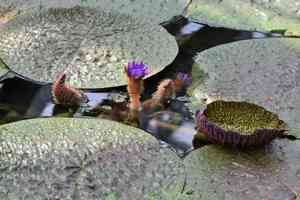
This water-dwelling perennial, characterized by its expansive, circular leaves, thrives with regular trimming to eliminate deceased or deteriorating sections and preserve the purity of the water. Essential pruning methods entail the meticulous elimination of discolored or blemished leaves and faded flowers, employing sterilized, sharp implements to prevent injury to sound plant material. The most effective time for pruning is during its vigorous growth phases in the spring and summer, possibly continuing into autumn. Consistent trimming enhances development, bloom production, and guarantees the plant's vigor, thereby positively impacting the aquatic environment it inhabits.
Advantages of Trimming Prickly Water Lily
Advantages of Trimming Prickly Water Lily
Trimming prickly water lily promotes flowering, supports robust development, and maintains its form for visual appeal and efficient space utilization. Strategic cuts help prickly water lily direct energy to healthy structures, enhancing vitality and display.
Optimal Time for Trimming Prickly Water Lily
Optimal Time for Trimming Prickly Water Lily
Trimming prickly water lily in spring is beneficial as it marks the start of the growth cycle, allowing for the removal of dead or damaged material from winter, stimulating new growth, and shaping the plant before it expends energy on foliage. Autumn trimming is advantageous as it prepares prickly water lily for dormancy, removing any unhealthy parts that could decompose over winter, and reducing the strain on the plant's energy reserves during the non-growing season. Summer is generally avoided for trimming prickly water lily as it can stress the plant during peak growth and high temperatures, and may interrupt flowering or seed production.
Necessary Tools for Trimming Prickly Water Lily
Long-Handled Pruners
Given prickly water lily's typical aquatic habitat, long-handled pruners will allow gardeners to reach across the water's surface to trim the plant without needing to enter the pond or lean precariously over the water.
Sharp Scissors
For more delicate, precise cuts, especially when thinning the smaller, tender shoots or leaves of prickly water lily, sharp scissors are ideal. They offer control and minimize harm to the plant's tissues.
Waterproof Gloves
Trimming prickly water lily may involve reaching into the water, so waterproof gloves will protect the gardener's hands not only from moisture but also from the plant's prickly parts.
Rake
A rake with an extended handle can be useful for gathering and removing any trimmed foliage from the water, keeping the pond clear and reducing the risk of decaying plant material that could negatively impact water quality.
How to Trim Prickly Water Lily
Sanitize and sharpen tools
Before trimming prickly water lily, clean and sharpen pruning shears to ensure clean cuts and prevent disease transmission.
Remove diseased leaves
Carefully cut off any diseased leaves at their base to stop the spread of illness in prickly water lily. Dispose of them properly.
Trim withered leaves
Remove withered leaves from prickly water lily, cutting them at the base to maintain the plant's appearance and encourage healthy development.
Deadhead flowers
Remove spent flowers of prickly water lily by snipping them at the base of the bloom to encourage further flowering.
Clean up
Once trimming is complete, remove all cuttings from the water to prevent rot and maintain a clean environment for prickly water lily.
Common Trimming Errors with Prickly Water Lily
Excessive trimming
Removing too much foliage from prickly water lily can weaken the plant, as it reduces its capacity to photosynthesize effectively and store energy.
Ignoring dead material
Failing to remove dead or decaying leaves and flowers can lead to disease and may attract pests to prickly water lily.
Incorrect cut technique
Making jagged or torn cuts can create open wounds on prickly water lily that are vulnerable to infections and pests.
Using dull tools
Trimming with dull tools can cause damage to the leaves and stems of prickly water lily, leading to poor healing and increased stress for the plant.
Trimming healthy tissue
Unnecessarily cutting away healthy leaves and roots can hinder the growth of prickly water lily and reduce its vigor.
Neglecting sanitation
Not sanitizing trimming tools can spread diseases between plants, which is particularly harmful to aquatic species like prickly water lily.
General Trimming Advice for Prickly Water Lily
Selective trimming
Focus on selectively removing only dead or decaying material to maintain the health and appearance of prickly water lily without hindering its growth.
Clean cuts
Ensure cuts are clean and precise to promote rapid healing and reduce the likelihood of disease infection on prickly water lily.
Sharp tools
Use sharp, clean tools for trimming to make precise cuts and minimize damage to the plant's tissues.
Trim damaged leaves
Regularly inspect prickly water lily and trim away any damaged or diseased leaves to prevent their spread to healthy parts of the plant.
Maintenance trimming
Perform maintenance trimming to remove spent blooms and yellowing leaves, which encourages new growth and can enhance the overall vigor and appearance of prickly water lily.
Disinfect tools
Disinfect trimming tools before and after use to prevent the transmission of diseases to or from prickly water lily.
Gentle handling
Handle prickly water lily gently during trimming to avoid damaging its spines and floating leaves, which are vital for its health and survival.



