How to Prune African Milk Bush?
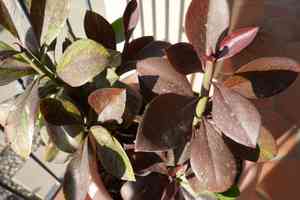
This thorny, enduring shrub flourishes in temperate environments and necessitates cautious management because of its poisonous fluid. For african Milk Bush, trimming ought to take place in the colder months when the plant is inactive. Shorten any excessively long branches to preserve its form and decrease its dimensions. Eliminate any lifeless or ailing sections to foster well-being. Trimming not only stimulates new development but also hinders the dissemination of infestations and ailments. Always don gloves and safety glasses due to the plant's irritating fluid.
Advantages of Trimming African Milk Bush
Advantages of Trimming African Milk Bush
Trimming african Milk Bush promotes robust new growth and helps maintain its desired form. This practice prevents excessive growth, ensuring african Milk Bush stays healthy and visually appealing in a garden.
Optimal Time for Trimming African Milk Bush
Optimal Time for Trimming African Milk Bush
Trimming african Milk Bush during the winter season is considered best because the plant is typically in its dormant state. This dormancy period means growth and metabolic activity are at their lowest, reducing stress on the plant when pruned. Without active growth, the risk of disease and pest infestation is also minimized when cuts are made. Additionally, the absence of leaves provides better visibility of the plant's structure, simplifying strategic cuts that will improve its shape and encourage healthy spring growth. Winter pruning also prevents sap loss, which can be more common in species like african Milk Bush if pruned during their active growing seasons.
Tools Required for Trimming African Milk Bush
Pruning Shears
Perfect for making precise cuts on african Milk Bush's thinner stems, minimizing damage to plant tissue.
Gloves
Essential for protecting hands from african Milk Bush's sap, which can irritate skin.
Long-Sleeved Shirt and Pants
Covering as much skin as possible is advised to avoid contact with sap while trimming african Milk Bush.
Loppers
Suitable for cutting through thicker branches of african Milk Bush, offering good leverage and reach for cleaner cuts.
Pruning Saw
Needed for removing any large, mature stems of african Milk Bush that are too thick for loppers.
Eye Protection
Safety glasses should be worn to prevent accidental sap splashes into the eyes while trimming african Milk Bush.
How to Trim African Milk Bush
Prepare tools
Sanitize pruning tools with a solution of one part bleach to nine parts water to prevent disease spread when trimming african Milk Bush.
Identify parts
Inspect african Milk Bush for dead or diseased branches, identifiable by dry, brittle, or discolored growth contrasting with healthy green parts.
Make cuts
Use clean, sharp pruning shears to make angled cuts on dead or diseased branches of african Milk Bush, cutting at a 45-degree angle just above a node or junction to promote healthy new growth.
Disinfect wounds
After removing unwanted branches, apply a natural fungicide or pruning sealer to the cuts on african Milk Bush to protect against disease and pests.
Clean up
Dispose of trimmed material by burning or bagging it, rather than composting, to prevent the spread of any potential diseases from african Milk Bush. Clean all tools used again.
Common Trimming Errors with African Milk Bush
Overpruning
Removing too much growth at once can shock african Milk Bush and cause stress, leading to poor health or growth.
Improper cut location
Cutting too close or too far from the main stem can either damage it or leave a stub prone to pests and disease.
Using dull tools
Dull pruning tools can crush stems and branches instead of making a clean cut, harming african Milk Bush and increasing disease susceptibility.
Ignoring plant health
Trimming without assessing african Milk Bush's health may remove parts essential for its recovery or overall vigor.
Neglecting tool hygiene
Failing to disinfect tools before and after use can spread diseases between plants or introduce infections to fresh cuts on african Milk Bush.
General Trimming Advice for African Milk Bush
Sanitize pruning tools
Always use sanitized pruning tools to prevent disease spread and ensure clean cuts on african Milk Bush.
Prune damaged segments
Remove any dead, diseased, or damaged branches to improve airflow and overall health of african Milk Bush.
Target growth
Focus on thinning out crowded sections of african Milk Bush to maintain its natural shape and enhance light penetration, aiding healthy growth.
Moderate pruning
Perform moderate pruning to avoid stressing african Milk Bush and encourage a bushier, well-shaped growth pattern.
Angled cuts
Make angled cuts just above leaf nodes or branching points to promote healing and prevent water accumulation that could lead to decay.
Monitor growth
Regularly observe african Milk Bush's response post-pruning and adjust the technique accordingly, allowing for customized plant care.



