How to Prune Cliff spurge?
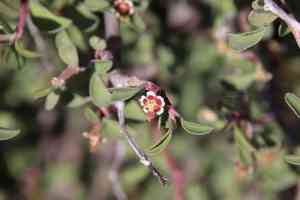
This arid-adapted, bushy succulent flourishes on seaside cliffs. To ensure peak vitality, trim cliff spurge during late winter or early spring to sculpt its form, eliminate compromised branches, and enhance air circulation. Employ sanitized, keen implements for accurate incisions, focusing on mature growth and faded blossoms to foster fresh flowering. Trimming additionally invigorates development, preserves an appealing silhouette, and averts excessive density. Refrain from over-pruning to safeguard the plant's inherent structure and hardiness.
What Are the Benefits of Pruning Cliff Spurge?
What Are the Benefits of Pruning Cliff Spurge?
Trimming cliff spurge promotes robust development and preserves its desired form. Strategic cuts enhance health and stimulate denser foliage, ensuring cliff spurge flourishes with maintained beauty.
What Is the Best Time for Pruning Cliff Spurge?
What Is the Best Time for Pruning Cliff Spurge?
Pruning cliff spurge in late winter or early spring is ideal as it aligns with its dormant phase, prior to active growth. This prevents interference with its flowering or fruiting cycles, which typically follow dormancy. Late winter pruning revitalizes cliff spurge by removing cold-damaged or diseased tissue, making the plant healthier and ready for spring growth. Early spring pruning allows for shaping cliff spurge before new growth emerges, providing a clear structure for new branches and reducing plant stress, thus promoting a strong season of growth and bloom. Pruning during these seasons also leverages the plant's natural healing process, as fresh cuts will mend faster with the onset of the growth period. These timing guidelines ensure minimal impact on plant health and maximize its ornamental potential throughout the year.
What Tools Do I Need to Prune Cliff Spurge?
Bypass Pruners
Perfect for making precise cuts on cliff spurge's thinner stems, ensuring rapid healing and lowering disease risk.
Gloves
Essential for protecting hands from cliff spurge's sap, which can irritate skin.
Long-sleeved clothing
Recommended attire when pruning cliff spurge to shield skin from its sap.
Eye protection
Crucial for preventing cliff spurge sap from entering the eyes during the pruning process.
Pruning Saw
Useful for cutting through thicker branches that bypass pruners cannot manage.
How to Prune Cliff Spurge
Preparation
Wear gloves and use clean, sharp pruning shears. As cliff spurge produces an irritating milky sap, protect skin and eyes during the process.
Diseased parts
First, identify and remove any diseased leaves or branches to prevent disease spread. Cut diseased parts back to healthy tissue for complete removal.
Dead material
Remove any dead or withered leaves and branches. Make cuts at a slight angle just above a leaf node to encourage healthy new growth.
Shaping
Thin out overgrown areas to maintain cliff spurge's shape and ensure light reaches the plant's inner parts for balanced growth.
Cleanup
Properly dispose of all removed plant material to prevent any potential disease spread. Thoroughly clean tools after use.
Common Pruning Mistakes with Cliff Spurge
Over pruning
Removing too much foliage can stress cliff spurge, leading to reduced vigor and potentially harming the plant's natural shape and health.
Improper cut location
Cutting too far from a node or into old wood may hinder cliff spurge's ability to heal properly and encourage new growth.
Using dull tools
Dull pruning tools can cause jagged cuts that are more prone to disease and may damage the plant tissue.
Neglecting tool hygiene
Failing to clean tools between uses can spread disease from plant to plant, which is crucial for cliff spurge due to its susceptibility to certain infections.
Pruning healthy growth
Mistakenly cutting back new, healthy growth can discourage flowering and the plant's overall robustness.
Common Pruning Tips for Cliff Spurge
Selective pruning
Focus on removing only dead or diseased branches, which will promote healthier growth and flowering without compromising the plant's structure.
Clean cuts
Make clean, angled cuts just above nodes to encourage cliff spurge to heal swiftly and produce new growth.
Sterilize tools
Sterilize your pruning tools before and after use to prevent the spread of pathogens that could harm cliff spurge.
Gradual pruning
For best results, prune gradually over time rather than performing major pruning all at once, which helps cliff spurge maintain strength and resilience.
Supportive staking
If cliff spurge is pruned heavily for shaping or size control, provide additional support with stakes to maintain its upright growth habit post-pruning.



