How to Prune Euphorbia jolkinii?
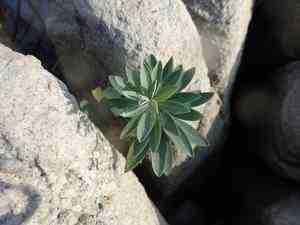
Euphorbia jolkinii is recognized for its dense habit and vivid leaves. Trim in early spring and summer to sculpt and manage its dimensions. Eliminate any deceased, injured, or ailing stalks to foster robust development. Nipping the ends can stimulate a more compact form. Employ sanitized, keen implements to prevent contamination. Trimming aids in enhancing air circulation and light access, diminishing the likelihood of insect problems and ailments. Consistent upkeep guarantees the plant stays visually appealing and flourishes in its setting.
What Are the Benefits of Pruning Euphorbia Jolkinii?
What Are the Benefits of Pruning Euphorbia Jolkinii?
Trimming euphorbia jolkinii encourages robust development, maintains its form, and boosts overall vitality. This aids the plant in resisting pests and illnesses while enhancing its look, ensuring a strong and visually appealing growth pattern.
What Is the Best Time for Pruning Euphorbia Jolkinii?
What Is the Best Time for Pruning Euphorbia Jolkinii?
Trimming euphorbia jolkinii during spring and summer is optimal due to its growth cycle. In spring, the plant experiences a significant growth surge, allowing it to heal quickly and produce new growth after pruning. Summer pruning helps in shaping the plant and controlling its size, ensuring it remains healthy and vigorous. Additionally, pruning during these seasons avoids disrupting the flowering period, which typically occurs in late spring to early summer for euphorbia jolkinii. Ensuring that the plant is pruned outside its flowering period helps in maintaining its aesthetic appeal and overall health.
What Tools Do I Need to Prune Euphorbia Jolkinii?
Bypass Pruners
Crucial for making precise cuts on live branches and stems of euphorbia jolkinii, minimizing harm and fostering healthy regrowth.
Gloves
Required to shield hands from the irritating sap that euphorbia jolkinii's stems might release.
Disinfectant
Utilize to sanitize tools before and after trimming euphorbia jolkinii to prevent the spread of disease or pests.
Long-handled Pruners
Helpful for reaching and trimming larger or higher sections of euphorbia jolkinii without strain or needing a ladder.
Shears
Perfect for shaping and cutting back smaller branches of euphorbia jolkinii to maintain a desired size and form.
How to Prune Euphorbia Jolkinii
Prepare Tools
Gather sanitized pruning shears and gloves to shield your hands from the plant's sap.
Examine Plant
Inspect euphorbia jolkinii thoroughly to identify diseased leaves, withered leaves, and diseased stems.
Remove Diseased Leaves
Carefully snip off any diseased leaves using the sterilized shears, ensuring cuts are made near the leaf's base.
Remove Withered Leaves
Trim any withered or brown leaves, cutting as close to the base as possible without harming the healthy parts of euphorbia jolkinii.
Remove Diseased Stems
Identify and cut off any diseased stems at least 2-3 inches below the affected area to ensure complete removal of the diseased tissue.
Common Pruning Mistakes with Euphorbia Jolkinii
Over-pruning
Removing too much of the plant at once can stress euphorbia jolkinii, leading to poor growth and potential susceptibility to disease.
Improper technique
Using dull or dirty pruning tools can cause damage to euphorbia jolkinii's stems and increase the risk of infection.
Ignoring the plant's natural shape
Trimming euphorbia jolkinii without considering its inherent structure can result in an aesthetically unpleasing and unhealthy plant.
Common Pruning Tips for Euphorbia Jolkinii
Use sharp, clean tools
Sharp and disinfected pruning tools are essential for making clean cuts, reducing the risk of infection and promoting quicker healing.
Prune dead or damaged stems first
Always begin by removing any dead, diseased, or damaged parts of euphorbia jolkinii to encourage healthy growth.
Follow the plant's natural growth pattern
Prune euphorbia jolkinii in a way that maintains its natural form. This not only keeps the plant looking its best but also supports its overall health.
Make cuts above a node
When pruning, make cuts just above a node (the point where leaves attach to the stem) to encourage new growth from that point.



