How to Prune David's spurge?
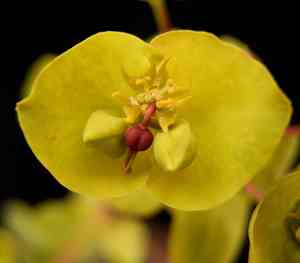
A persistent herbaceous plant featuring a milky fluid, david's spurge is distinguished by its grouped greenish-yellow blossoms. Essential trimming methods involve snipping off faded blooms to foster denser foliage and eliminating any impaired or ailing stalks to preserve the plant's well-being. The most effective time for pruning spans from spring through autumn, coinciding with periods of active development. Trimming this variety can manage its expansion and stimulate more robust growth. Particular caution is advised when handling the sap, as it might cause skin irritation.
Advantages of Trimming David's Spurge
Advantages of Trimming David's Spurge
Trimming david's spurge encourages more robust, vigorous development and aids in preserving the plant's desired form. Strategic reduction fosters a denser habit, enhances aesthetic appeal, and manages its expansion.
Optimal Period for Pruning David's Spurge
Optimal Period for Pruning David's Spurge
Pruning david's spurge in late winter or early spring, prior to new growth, is ideal as it promotes healthy new shoots and maintains the plant's shape without hindering flower development. The plant's structure is also more visible when foliage is sparse, facilitating precise cuts. Late summer pruning can remove spent blooms or control excessive growth, but fall pruning is less advisable because fresh cuts are more susceptible to frost damage and may not heal before winter.
Necessary Tools for Pruning David's Spurge
Pruning Shears
Handheld pruning shears are perfect for david's spurge, allowing accurate cutting of small to medium-sized stems. Select a pair with sharp, bypass blades for clean cuts that help prevent plant damage.
Gloves
Given that david's spurge contains irritating sap, wearing gloves during pruning is crucial to shield your hands from potential skin irritation.
Long-Sleeved Clothing
It's wise to wear long-sleeved attire when pruning david's spurge to protect your skin from its sap, which can cause irritation upon contact.
Eye Protection
Utilize protective eyewear to guard your eyes against the milky sap that might squirt out when trimming david's spurge stems.
How to Trim David's Spurge
Sanitizing Tools
Before beginning, ensure all pruning implements are clean and sharp to prevent disease transmission and to make precise cuts on david's spurge.
Personal Safety
Don gloves, long sleeves, and protective eyewear as david's spurge's sap can irritate skin and eyes.
Identify Dead Foliage
Locate all withered leaves on david's spurge, looking for any that are dried, discolored, or damaged.
Cutting Method
Using your tools, snip the withered leaves at their base, near the main stem of david's spurge, without harming healthy sections.
Disposal
Properly discard the removed withered leaves, as they can harbor pests or diseases that might affect david's spurge or other plants.
Common Pruning Errors with David's Spurge
Excessive Pruning
Removing too much foliage or too many stems at once, which can stress david's spurge and lead to poor growth or increased vulnerability to disease.
Incorrect Cuts
Making jagged or torn cuts that can invite disease and pests, as clean cuts heal faster and are less likely to cause complications for david's spurge.
Unnecessary Live Tissue Removal
Trimming live, healthy parts of david's spurge without a valid reason such as shaping or removing damaged areas can unduly stress the plant.
Neglecting Tool Disinfection
Not sterilizing pruning tools between cuts and different plants can spread disease to david's spurge, potentially impacting plant health.
Ignoring Plant Structure
Failing to consider the natural form of david's spurge often results in an undesirable shape and may hinder healthy growth patterns.
General Pruning Advice for David's Spurge
Sharp Tools
Employ sharp, clean pruning shears for making accurate cuts, which aids in promoting quicker healing and reduces the risk of disease.
Selective Pruning
Prune strategically by removing only the dead, diseased, or overcrowded parts of david's spurge to maintain plant health and aesthetics.
Cut Angle
Make cuts at a slight angle, away from the bud, to prevent water from accumulating on the cut surface, which could lead to rot or fungal infections in david's spurge.
Prune For Airflow
Thin out dense areas to enhance air circulation, which minimizes the risk of fungal diseases for david's spurge and supports robust growth.
Protective Gear
Wear gloves and protective clothing when pruning david's spurge to avoid contact with its sap, which can be irritating to skin and eyes.



