How to Prune Caribbean copper plant?
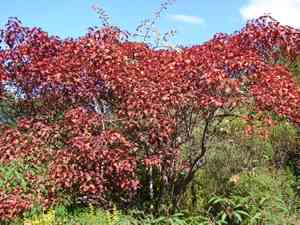
This dense, tropical woody plant, characterized by its reddish-purple leaves, flourishes in temperate regions. For caribbean copper plant, trimming should prioritize the elimination of lifeless or ailing limbs, sculpting for visual appeal, and managing overall dimensions. The most suitable period for pruning is during the winter season when development decelerates. Pruning while the plant is dormant lessens strain and the outflow of sap, fostering robust growth in the spring. Consistent thinning improves air circulation and the ingress of sunlight, potentially lowering the likelihood of disease and encouraging more vibrant foliage. Always employ sanitized, keen implements to execute accurate incisions.
What Are the Benefits of Pruning Caribbean Copper Plant?
What Are the Benefits of Pruning Caribbean Copper Plant?
Trimming caribbean copper plant encourages robust new development, ensuring a strong and thriving specimen. Regular cutting helps maintain its desired form and dimensions for visual appeal and garden consistency.
What Is the Best Time for Pruning Caribbean Copper Plant?
What Is the Best Time for Pruning Caribbean Copper Plant?
The ideal period for pruning caribbean copper plant is late winter, as this is typically when the plant is inactive. Pruning during dormancy reduces stress on caribbean copper plant, since it's not actively growing or expending energy on leaves, blooms, or seeds. Furthermore, pruning just before the spring growth cycle begins allows caribbean copper plant to recover swiftly and direct its energy into producing new shoots from the trimmed areas. This timing aids in preserving the plant's shape and vitality, promotes vigorous growth, and enables the gardener to clearly see caribbean copper plant's structure without foliage, facilitating better decisions about which branches to remove.
What Tools Do I Need to Prune Caribbean Copper Plant?
Bypass Pruners
Perfect for making precise cuts on caribbean copper plant's thinner stems, thereby reducing harm and fostering healthy new growth.
Lopping Shears
Utilized for cutting through thicker branches of caribbean copper plant that are typically too large for hand pruners.
Pruning Saw
Essential for caribbean copper plant's mature, woody stems that loppers cannot manage, ensuring clean cuts without tearing the bark.
Gloves
Protect hands from caribbean copper plant's sap, which can irritate skin due to its toxic properties.
How to Prune Caribbean Copper Plant
Disinfect Tools
Before beginning, ensure all pruning implements are sanitized to prevent disease transmission to caribbean copper plant. Use a solution of one part bleach to nine parts water or rubbing alcohol to sterilize the blades.
Remove Withered Leaves
Carefully inspect caribbean copper plant and use your fingers or pruning shears to remove any dried-up leaves. Gently pull leaves away from the stem if they detach easily or use a clean cut to avoid damaging healthy sections.
Eliminate Dead Branches
Identify dead branches on caribbean copper plant, which may be brittle and break easily or have a noticeably different color and texture compared to living branches. Use pruning shears or a saw for larger branches, making cuts at a 45-degree angle away from the stem to encourage healthy regrowth and water runoff.
Prune Diseased Branches
Carefully remove any diseased branches from caribbean copper plant, which might display signs of discoloration, spots, or decay. Make cuts well below the affected area to ensure complete removal of the diseased tissue.
Clean Up
After pruning caribbean copper plant, clear away all removed material by disposing of it in a biosecure manner to prevent the spread of any potential diseases. Disinfect the tools again after use.
Common Pruning Mistakes with Caribbean Copper Plant
Over-Pruning
Removing too much foliage at once can stress caribbean copper plant, leading to stunted growth or even plant demise.
Blunt Tools
Using dull pruning shears can harm caribbean copper plant's stems, creating jagged cuts that are vulnerable to disease.
Dirty Equipment
Pruning with contaminated tools can introduce pathogens to caribbean copper plant, risking infection and disease spread.
Improper Cut Placement
Cutting too far from a node or into old wood on caribbean copper plant can hinder proper healing and regrowth.
Neglecting To Thin
Failing to thin out dense branches can lead to poor air circulation and light penetration, affecting caribbean copper plant's overall health.
Common Pruning Tips for Caribbean Copper Plant
Sharp Tools
Use sharp, clean pruning shears to make precise cuts that heal quickly, minimizing stress on caribbean copper plant.
Disease Management
Sterilize pruning tools before and after use to prevent disease transfer between plants or parts of caribbean copper plant.
Cut Placement
Make cuts just above a leaf node, where new growth can emerge. Be careful not to damage the node itself.
Branch Thinning
Thin out crowded branches to improve air circulation and light access, promoting a healthier and more aesthetically pleasing caribbean copper plant.
Shaping
Prune caribbean copper plant to maintain an attractive shape and encourage bushier growth, but always consider the natural habit of the plant when making cuts.



