How to Prune Flowering Spurge?
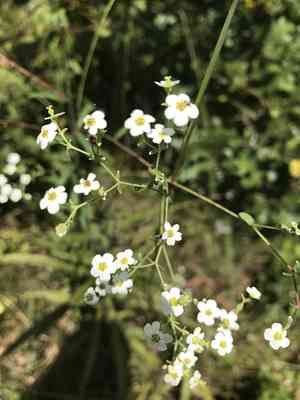
This enduring herbaceous species, recognized for its erect, grouped stalks and white, umbrella-shaped blossoms, flourishes with infrequent trimming. Trim blooming Spurge in the springtime to eliminate deceased or injured stems and foster denser development. Throughout the summer, remove faded blooms to encourage a subsequent flowering period and deter self-propagation, if preferred. Precise timing is essential to prevent severing nascent buds. Trimming boosts the plant's vitality and preserves a neat look.
Advantages of Trimming Flowering Spurge
Advantages of Trimming Flowering Spurge
Trimming flowering Spurge promotes robust development and maintains an orderly form. By selectively removing portions of flowering Spurge, gardeners can stimulate new growth, improve the plant's structure, and prevent excessive growth that might result in a messy look.
Optimal Time for Trimming Flowering Spurge
Optimal Time for Trimming Flowering Spurge
Trimming flowering Spurge from late spring to early summer coincides with the period after blooming, allowing gardeners to remove faded flowers and shape the plant without affecting the next year's blossoms. This timing also aids in wound recovery before dormancy, lowers disease risk, and encourages vigorous new growth in the subsequent season.
Necessary Tools for Trimming Flowering Spurge
Bypass Pruners
Perfect for making clean cuts on flowering Spurge's green stems without crushing them. Bypass pruners operate like scissors, with one sharp blade passing by a thicker one, creating a clean and healthy incision.
Pruning Shears
Suitable for snipping off faded flower heads or shaping flowering Spurge, their small, sharp blades enable precise cuts without harming nearby stems.
Gardening Gloves
Essential for protecting hands from flowering Spurge's sap, which can irritate skin. Gloves should be thick enough to prevent sap contact with the skin.
Long-sleeved Clothing
To cover and protect skin from flowering Spurge's sap during the trimming process.
Eye Protection
To shield eyes from flowering Spurge's sap, which could be harmful if contact occurs.
How to Trim Flowering Spurge
Clean tools
Before beginning, sanitize your pruning shears with alcohol or a bleach solution to prevent disease spread while trimming flowering Spurge.
Remove diseased leaves
Carefully snip off any leaves showing disease symptoms, ensuring cuts are made at the base of the leaf stem to encourage healthy growth and prevent further infection of flowering Spurge.
Cut withered leaves
Identify and prune away withered or dead leaves from flowering Spurge, which can be gently plucked by hand or cut to enhance air circulation and light penetration.
Eliminate diseased stems
Locate and remove any stems with visible disease, using angled cuts to promote water runoff and aid healing on the remaining parts of flowering Spurge.
Dispose waste
Discard all trimmed materialâsuch as diseased leaves and stemsâaway from healthy plants to prevent pathogen spread within your garden.
Common Trimming Errors with Flowering Spurge
Overpruning
Cutting back too much of flowering Spurge can stress the plant, leading to fewer flowers or even plant demise.
Improper cutting technique
Making jagged or torn cuts instead of clean, sharp ones can cause unnecessary damage to flowering Spurge's stems and invite disease.
Neglecting tool hygiene
Using dirty pruning tools can introduce pathogens to flowering Spurge, potentially leading to infections and disease.
Removing too much live wood
Taking off too much live wood can hinder flowering Spurge's growth and impair its natural shape.
Pruning for size only
Focusing solely on reducing flowering Spurge's size without considering its health and flowering can result in a dense, leafy plant with few flowers.
General Trimming Advice for Flowering Spurge
Sharp clean cuts
Use sharp, clean tools to make precise cuts, which helps flowering Spurge heal faster and reduces disease risk.
Sterilize tools
Disinfect pruning tools before and after use to prevent spreading diseases to or from flowering Spurge.
Shape and health
Trim with a focus on maintaining flowering Spurge's natural shape and promoting its overall health.
Deadheading
Regularly remove spent flowers to encourage flowering Spurge to produce more blooms and to maintain a tidy appearance.
Thin out crowded stems
Thin out crowded areas to increase air circulation, which can help prevent disease and promote stronger, healthier growth in flowering Spurge.
Strategic cut placement
Place cuts just above a leaf node or branching point to promote desirable growth and to avoid leaving stubs which can harbor pests and diseases.



