How to Prune Euonymus hamiltonianus maackii?
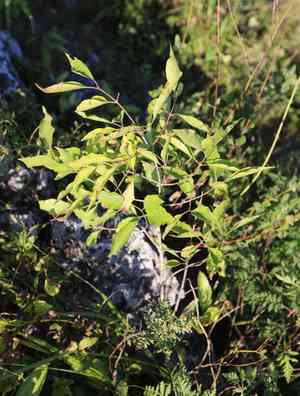
Euonymus hamiltonianus maackii, a deciduous shrub celebrated for its vibrant fall leaves, necessitates consistent trimming to preserve its form and vitality. Perform pruning in late winter to early spring, prior to the emergence of new shoots. Concentrate on excising dead or ailing limbs, reducing dense sections to foster better air movement, and sculpting to manage its dimensions. Strategic pruning will boost blooming, avert excessive growth, and extend the lifespan of euonymus hamiltonianus maackii.
What Are the Benefits of Pruning Euonymus Hamiltonianus Maackii?
What Are the Benefits of Pruning Euonymus Hamiltonianus Maackii?
Trimming euonymus hamiltonianus maackii promotes robust development and maintains its desired form. Strategic cuts enhance light penetration and air flow, aiding in strong growth. Regular trimming also helps preserve the plant's beauty and structural integrity.
What Is the Best Time for Pruning Euonymus Hamiltonianus Maackii?
What Is the Best Time for Pruning Euonymus Hamiltonianus Maackii?
Pruning euonymus hamiltonianus maackii in late winter before spring growth begins allows for the removal of dead or damaged branches, making room for new growth. This timing also prevents cutting off flower-producing buds. In early spring, gardeners can shape the plant before its rapid growth phase and better assess which branches to trim. This period also minimizes the risk of disease and pest infestation that can occur if pruning is done during warmer, more humid seasons when wounds heal slower and pests are more active.
What Tools Do I Need to Prune Euonymus Hamiltonianus Maackii?
Hand Pruners
Perfect for cutting branches up to 3/4 inch in diameter, hand pruners are suitable for shaping euonymus hamiltonianus maackii and for making clean cuts that encourage healthy growth.
Loppers
With their extended handles, loppers provide the leverage needed to prune thicker branches of euonymus hamiltonianus maackii up to 1 1/2 inches in diameter, without straining the gardener.
Pruning Saws
For the thickest branches of euonymus hamiltonianus maackii that exceed 1 1/2 inches in diameter, a pruning saw can make precise cuts without harming nearby branches.
Hedge Shears
Euonymus hamiltonianus maackii can develop dense foliage; hedge shears are useful for trimming and shaping the plant's outer edges to maintain a desired form.
Pole Pruners
To reach higher branches of euonymus hamiltonianus maackii without using a ladder, pole pruners are essential for safely pruning taller specimens.
How to Prune Euonymus Hamiltonianus Maackii
Clean tools
Sanitize pruning tools using a solution of one part bleach to nine parts water to prevent disease transmission.
Inspect
Examine euonymus hamiltonianus maackii closely to identify all dead or diseased branches for removal.
Cut dead branches
Using sharp shears, carefully cut dead branches at the point where they meet healthy wood, making a clean cut that avoids damaging the collars.
Cut diseased branches
Trim any diseased branches well below the affected area to ensure no disease remains. Disinfect tools after each cut.
Cleanup
Collect and dispose of all removed material away from healthy plants to prevent potential disease spread.
Common Pruning Mistakes with Euonymus Hamiltonianus Maackii
Over-pruning
Removing too much foliage at once can stress euonymus hamiltonianus maackii and may lead to poor growth or reduce its natural shape.
Improper cut location
Cutting too far from a bud or node, or into old wood that doesn't produce new growth easily, can hinder euonymus hamiltonianus maackii's ability to heal and sprout new shoots.
Using dull tools
Dull pruning tools can cause jagged cuts that are more susceptible to pests and diseases, affecting euonymus hamiltonianus maackii's overall health.
Ignoring diseased or dead branches
Failing to remove diseased, damaged, or dead branches can allow problems to spread throughout euonymus hamiltonianus maackii and reduce its vigor and appearance.
Common Pruning Tips for Euonymus Hamiltonianus Maackii
Clean cuts
Use sharp, clean pruning shears to make precise cuts, which help euonymus hamiltonianus maackii heal faster and reduce the risk of disease.
Thin out
Thin out the center of euonymus hamiltonianus maackii to improve air circulation and light penetration, which encourages healthy growth and reduces the likelihood of fungal infections.
Shape maintenance
Prune euonymus hamiltonianus maackii with its natural shape in mind, maintaining an even and balanced form to promote an aesthetically pleasing appearance.
Rejuvenation pruning
For older euonymus hamiltonianus maackii specimens, consider rejuvenation pruning to encourage new growth. Remove older, less productive stems to ground level, allowing younger, more vigorous stems to take their place.



