How to Prune Large-leaved spindle?
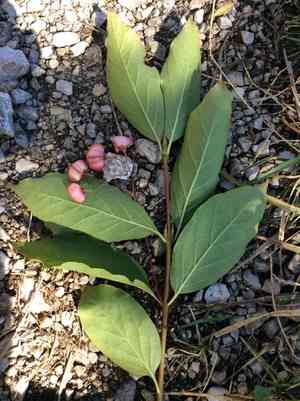
This leafy shrub is recognized for its brilliant fall hues and prominent berries. For large-leaved spindle, trimming ought to occur in late winter or early spring to preserve its form and encourage robust development. Eliminate any lifeless, ailing, or congested limbs. Thinning cuts enhance light access and air movement, boosting general well-being and lowering the likelihood of illness. Pruning following blooming permits the exhibition of its ornamental fruits, while regular upkeep guarantees a neat look and strong plant architecture.
Advantages of Trimming Large-leaved Spindle
Advantages of Trimming Large-leaved Spindle
Trimming large-leaved spindle promotes robust development and maintains its desired form. Thoughtful removal of dead or crowded branches improves air circulation and light exposure, leading to a healthier plant with increased vitality.
Optimal Period for Trimming Large-leaved Spindle
Optimal Period for Trimming Large-leaved Spindle
Trimming large-leaved spindle in late winter, prior to the spring growth surge, allows the plant to recover quickly from cuts and direct energy into new growth. This timing also minimizes disease risk, as fewer pathogens are active in colder weather. Early spring pruning, as new growth begins, is also suitable as it lessens disruption to the plant's growth cycle and helps shape the plant for the upcoming season without affecting flowering or fruit production, as large-leaved spindle typically blooms in late spring and bears fruit in the fall.
Required Tools for Trimming Large-leaved Spindle
Hand Pruners
Perfect for severing stems and small branches up to 3/4 inches in diameter. A bypass-style hand pruner is advised for a clean, healthy cut, preventing damage to large-leaved spindle's remaining stems.
Lopping Shears
Utilized for cutting through thicker branches, typically up to 1 1/2 to 2 inches in diameter. These shears feature long handles that provide leverage, simplifying the task of pruning large-leaved spindle without excessive effort.
Pruning Saws
Intended for larger branches that hand pruners and loppers cannot manage. A curved blade pruning saw is effective for branches exceeding 2 inches in diameter, enabling precise and smooth cuts on large-leaved spindle.
Hedge Shears
Appropriate for shaping and trimming large-leaved spindle hedges or when dealing with numerous small stems. These shears assist in maintaining large-leaved spindle's preferred shape and size.
How to Trim Large-leaved Spindle
Sanitize tools
Before trimming large-leaved spindle, ensure all pruning implements are clean and disinfected to prevent disease spread. Use a solution of one part bleach to nine parts water to sterilize blades between cuts, especially when removing diseased sections.
Remove diseased leaves
Begin by carefully detaching any diseased leaves from large-leaved spindle. Employ sharp bypass pruners or secateurs and make clean cuts at the base of the leaf stem, taking care to avoid harming healthy leaves and stems.
Prune withered leaves
Next, trim any withered leaves from large-leaved spindle. These are easily identified by their dry, brown appearance. Cut these leaves close to the stem to encourage healthy growth and air circulation.
Cut dead branches
Inspect large-leaved spindle for dead branches, recognizable by their dry, brittle nature and absence of green beneath the bark when scratched. Use loppers or a saw for larger branches and make cuts at a 45-degree angle just above a healthy outward-facing bud or lateral branch.
Eliminate diseased branches
Finally, remove any diseased branches from large-leaved spindle. Ensure to cut back to healthy wood, well below the affected area. Dispose of all removed diseased material immediately and clean tools again after pruning to prevent contamination.
Common Trimming Errors with Large-leaved Spindle
Excessive pruning
Removing too much foliage from large-leaved spindle in a single session can stress the plant, leading to weak growth or increased vulnerability to diseases.
Incorrect cut placement
Cutting too near or too far from the bud can impede large-leaved spindle's healing process and potentially result in poor growth or dieback.
Using dull tools
Trimming large-leaved spindle with unsharpened tools can create rough, jagged cuts that make the plant more susceptible to pests and diseases.
Neglecting hygiene
Large-leaved spindle can be exposed to diseases if pruning tools are not disinfected before use, particularly if they were previously used on infected plants.
Improper pruning angle
Cuts made at incorrect angles can prevent water from properly draining off the wound, inviting rot and disease in large-leaved spindle.
Over-shaping
Excessive shaping can compromise large-leaved spindle's natural form and potentially reduce its vigor and bloom production.
General Trimming Advice for Large-leaved Spindle
Cut placement
Ensure to cut just above outward-facing buds to encourage large-leaved spindle to develop a desirable shape and maintain a natural appearance.
Sharp tools
Utilize sharp, clean pruning shears or loppers to guarantee precise, clean cuts that promote rapid healing in large-leaved spindle.
Angled cuts
Make cuts at a 45-degree angle to help large-leaved spindle shed water away from the bud, reducing the risk of disease.
Selective pruning
Thinning out older branches judiciously can help to increase light penetration and air circulation, fostering healthy growth in large-leaved spindle.
Deadheading
For large-leaved spindle, removing spent flowers can potentially stimulate another flush of blooms and prevent unwanted seed formation.
Protective pruning
Remove dead, damaged, or diseased branches as soon as they are noticed to safeguard large-leaved spindle from further harm or infection.



