How to Prune European spindletree?
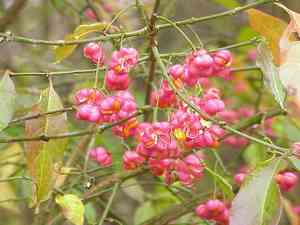
This leaf-shedding bush, known for its brilliant fall leaves and unique, brightly colored berries, benefits significantly from trimming. For european spindletree, structural pruning is recommended, concentrating on eliminating lifeless, ailing, or intersecting limbs to preserve an airy, robust form. The ideal time for this maintenance is in early spring, prior to the emergence of fresh shoots. This schedule enables european spindletree to recover swiftly without negatively affecting fruit yield, which is prized for its decorative value and contribution to local fauna.
What Are the Benefits of Pruning European Spindletree?
What Are the Benefits of Pruning European Spindletree?
Trimming european spindletree promotes vigorous development and preserves its desired form. Strategic cuts encourage robust new shoots, ensuring a healthier structure and heightened vitality, crucial for this species' longevity and visual appeal.
What Is the Best Time for Pruning European Spindletree?
What Is the Best Time for Pruning European Spindletree?
Early spring is the ideal period for pruning european spindletree because the plant is still inactive, reducing stress and minimizing sap loss that can occur in actively growing plants. Pruning just before the new growth phase allows gardeners to shape the plant and remove any dead, diseased, or damaged branches without significantly impacting the forthcoming bloom and fruiting periods. This timing offers a clear view of the plant's structure for more precise cuts and promotes healthy growth and rejuvenation as the temperatures rise and daylight increases, which are crucial for the plant's recovery and robust growth cycle.
What Tools Do I Need to Prune European Spindletree?
Hand Pruners
For precise cuts and slender stems on european spindletree, hand pruners, specifically anvil or bypass types, are recommended for their clean cut, which is vital for the plant's well-being.
Loppers
For branches up to two inches in diameter, loppers provide the extra leverage needed for thicker growth in european spindletree.
Pruning saw
When dealing with european spindletree's mature branches that are thicker than what loppers can handle, a pruning saw is necessary to make clean and efficient cuts.
Hedge Shears
In case of shaping european spindletree into hedges or specific forms, hedge shears are useful for trimming and maintaining the desired shape.
Pole Pruner
If european spindletree has grown tall and hard-to-reach areas need pruning, a pole pruner allows for cutting without the use of a ladder.
How to Prune European Spindletree
Step1: Timing for Pruning
Choose the appropriate time for pruning european spindletree, which is typically late winter or early spring before new growth starts. This helps avoid cutting off any new buds forming for the upcoming season.
Step2: Tool Preparation and Sterilization
Prepare necessary tools such as sharp, clean pruning shears or loppers for larger branches of european spindletree. Disinfect the tools to prevent disease spread.
Step3: Removal of Dead or Diseased Branches
Begin by removing any dead, diseased, or withered branches from european spindletree. These can be identified by their dry, brittle texture and lack of leaves. Cut these branches at their base, close to the main stem, to promote healthier growth.
Step4: Pruning Old Wood
Identify old wood on european spindletree that may no longer be producing strong shoots or foliage. You can recognize old wood by its darker, more rigid appearance and rougher texture. Prune these branches back to a healthy side shoot or to the main stem, making sure cuts are just above a bud facing the outside of the plant.
Step5: Thinning Overgrown Foliage
To address overgrown foliage of european spindletree, thin out the branches selectively. Remove some of the older branches throughout the crown to improve light penetration and air circulation. This should be done by cutting back to a main branch or making thinning cuts to remove entire branches at their point of origin.
Step6: Shaping the Plant
After removing unwanted branches, shape european spindletree by pruning back tips of remaining branches to maintain or create the desired form. Cut just above a leaf or bud that is facing the direction you want new growth to go. This encourages european spindletree to develop a more compact and bushy form.
Step7: Cleanup of Pruning Debris
Lastly, clean up all removed material from around european spindletree to prevent any potential for disease or pests. Rake up all clippings, dead leaves, and branches, then dispose of or compost them if they are disease-free.
Step8: Post-Pruning Watering
Water european spindletree well after pruning to help it recover and seal the cuts. Be mindful not to overwater, as proper drainage is important to prevent root issues.
Step9: Monitoring Plant Recovery
Monitor european spindletree for a few weeks to ensure it responds well to the pruning. Look for new growth as a sign that european spindletree is healthy and thriving post-pruning.
Post-Pruning Care for European Spindletree
Post-Pruning Care for European Spindletree
Immediately after trimming european spindletree, ensure clean cuts to aid healing. Position european spindletree in partial sun, maintaining moderate humidity and stable temperatures to prevent stress. Water adequately without oversaturating the soil. Apply a balanced fertilizer to support regrowth, avoiding high nitrogen concentrations that may promote excessive foliage at the expense of root development. Regularly inspect the pruning sites for signs of disease or pests. If symptoms appear, treat promptly with an appropriate fungicide or insecticide.
Common Pruning Mistakes with European Spindletree
Improper Cuts on Old Wood Slow Regeneration
Cutting into old wood without understanding the plant's response, as european spindletree can be slow to regenerate from old wood.
Excessive Foliage Removal in One Session
Removing too much foliage at once; more than one-third of the total plant should not be removed in a single pruning session for european spindletree.
Failure to Sterilize Tools Spreads Disease
Neglecting to sterilize pruning tools before and after use, which risks spreading diseases to european spindletree.
Lack of Clear Goal in Pruning Technique
Pruning without a clear goal or plan, which can lead to an unbalanced shape or harming the plant's natural growth pattern.
Ignoring Removal of Dead or Diseased Limbs
Overlooking the removal of dead or diseased branches, which can compromise the overall health of european spindletree.
Using Dull Tools Hinders Healing Process
Using dull or inappropriate cutting tools, resulting in jagged cuts that can hinder the healing process of european spindletree.
Common Pruning Tips for European Spindletree
Prioritize Dead, Diseased Branch Removal
Start by removing any dead, diseased, or damaged branches to maintain the health and aesthetics of european spindletree.
45-Degree Clean Cuts Promote Outward Growth
Make clean cuts at a 45-degree angle just above a bud facing the outside of the plant; this encourages outward growth for european spindletree.
Thin to Enhance Airflow and Light Reach
Focus on thinning out crowded areas to improve air circulation and light penetration, which is crucial for the vitality of european spindletree.
Prune Gradually to Maintain Natural Shape
Maintain the plant's natural shape by carefully selecting the branches to prune, doing so gradually and assessing the plant's appearance throughout the process.
Sharp, Clean Shears for Healthy Plant Tissue
Use sharp, clean pruning shears suited for the branch size, to prevent damage to the plant tissue of european spindletree.
Fertilize After Pruning for Recovery and Growth
After pruning, apply a balanced fertilizer to support european spindletree's recovery and new growth, avoiding application directly on the cuts.



