How to Prune Burning bush?
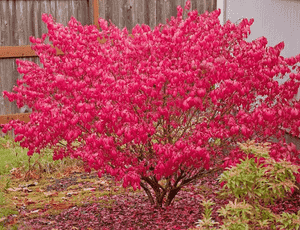
The burning bush, a vivid red-leafed plant, thrives with strategic pruning to preserve its form and encourage lush development. Essential trimming methods involve reducing older branches and shortening elongated shoots. The ideal period for pruning is early spring, prior to the emergence of new leaves. Annually, judiciously removing one-third of the mature branches fosters renewed vigor. Pruning improves the plant's inherent structure, lowers the likelihood of disease, and intensifies its autumn hues.
What Are the Benefits of Pruning Burning Bush?
What Are the Benefits of Pruning Burning Bush?
Trimming burning bush promotes robust development and preserves its distinct form. Strategic cuts encourage new, healthy shoots, enhancing the shrub's inherent shape and ensuring it remains an appealing garden feature.
What Is the Best Time for Pruning Burning Bush?
What Is the Best Time for Pruning Burning Bush?
Pruning burning bush in early spring is ideal as it allows gardeners to shape the plant and eliminate any dead or diseased wood before new growth emerges. This timing ensures the plant's energy is directed towards developing healthy branches and leaves, enhancing its natural form. Additionally, since burning bush is a deciduous shrub that typically doesn't flower, early spring pruning won't negatively impact blooming. This season also helps prevent the plant from becoming overly dense, which can obstruct sunlight and air circulation, potentially leading to pest and disease issues.
What Tools Do I Need to Prune Burning Bush?
Hand pruners
Crucial for making precise cuts on small branches of burning bush, up to approximately 3/4 inch in diameter. Bypass pruners are favored over anvil-style for their ability to create cleaner cuts without crushing plant tissues.
Loppers
Perfect for cutting thicker branches that hand pruners cannot manage, typically up to 1.5 inches in diameter. These provide the necessary extra leverage for larger stems of burning bush.
Pruning Saw
Essential for removing the thickest branches of burning bush, generally exceeding 1.5 inches in diameter. A pruning saw facilitates cutting through larger wood without causing stress to the plant.
Hedge Shears
Useful for shaping burning bush if a formal hedge appearance is desired. These shears allow for even, straight cuts across multiple stems.
Pole Pruner
Applicable for reaching elevated branches without needing a ladder. This is important for maintaining the upper sections of burning bush, which can grow quite tall.
How to Prune Burning Bush
Step1: Sanitizing Pruning Tools
Sanitize your pruning tools before beginning to ensure you do not spread disease to burning bush. Use a solution of 1 part bleach to 9 parts water or 70% isopropyl alcohol to sterilize your shears or saws.
Step2: Timing the Pruning Process
Select the appropriate time of year to prune burning bush, which is late winter or early spring before new growth commences, to minimize plant stress and reduce the risk of disease infection.
Step3: Identifying Dead Branches
Locate dead branches on burning bush that show no signs of green wood or buds. These branches often have a different color, feel lighter, and are more brittle than living branches.
Step4: Pruning Technique for Dead Branches
Trim dead branches just above a healthy bud or the main stem, making your cut at a 45-degree angle that slopes away from the bud to encourage proper water runoff and prevent disease.
Step5: Spotting Diseased Plant Parts
Look for diseased parts of burning bush, which may include branches with abnormal growth, discoloration, or signs of fungal infection like mildew or rust.
Step6: Removing Diseased Material
Make cuts well below the affected diseased parts to ensure all infected material is removed. Be sure to clean your tools immediately after cutting diseased material to avoid spreading pathogens.
Step7: Pruning Old Non-productive Wood
Remove old wood that has not produced new growth in several years to encourage burning bush to generate fresh, vigorous branches. These will often be thicker and have a rougher bark texture than younger wood.
Step8: Cutting Technique for Old Wood
When cutting old wood, make your cut just above a lower set of leaves or a side branch to redirect energy to more vigorous parts of burning bush.
Step9: Assessing Plant Shape Post-Pruning
Examine the overall shape of burning bush after the removal of dead, diseased, and old wood to assess if further shaping is needed to maintain an aesthetically pleasing form or desirable size.
Step10: Thinning for Light and Airflow
For shaping, selectively thin out crowded branches to ensure adequate light and air circulation throughout the center of burning bush, which helps prevent disease and encourages even growth.
Step11: Disposal of Pruning Waste
Dispose of all removed material properly to prevent the spread of any potential diseases. Do not compost diseased material. Sterilize your pruning tools after finishing.
Post-Pruning Care for Burning Bush
Post-Pruning Care for Burning Bush
Immediately after trimming burning bush, water the plant thoroughly to reduce stress and aid healing. Ensure burning bush is placed in moderate sunlight, avoiding harsh exposure during recovery. Maintain ambient humidity and stable temperatures to prevent dehydration or shock. Apply a balanced fertilizer to provide essential nutrients for new growth, respecting the growing season for timing. Regularly inspect burning bush for signs of stress, such as wilting or discolored foliage, and signs of infection like unusual spotting. Promptly address these by adjusting care or consulting a horticulturist for treatment options.
Common Pruning Mistakes with Burning Bush
Over-pruning in one session
Trimming too aggressively, removing more than a third of burning bush's live branches in a single session, which can stress the plant.
Not removing dead or diseased wood
Failing to remove all dead or diseased wood, which can impede healthy growth and potentially spread disease.
Using dull or dirty tools
Employing dull or unclean pruning tools, which can cause jagged cuts that are more vulnerable to disease and pests.
Incorrect cutting distance to stem or bud
Making cuts too close to the main stem or too far from the bud, which can lead to improper healing or new growth.
Disregarding plant's natural shape
Ignoring the plant's inherent form, resulting in an unnatural appearance that can negatively affect blooming and overall health.
Common Pruning Tips for Burning Bush
Remove dead wood and promote healthy growth
Begin by removing dead, diseased, or damaged wood, cutting back to healthy tissue to promote burning bush's vigor and prevent the spread of pests and diseases.
Use sharp, sterile tools for clean cuts
Utilize sharp, clean pruning tools to make precise cuts that heal quickly, and sterilize tools between cuts if disease is present.
Thin crowded branches to improve air and light
Thin out congested branches to enhance air circulation and light penetration, which is crucial for the health and flowering of burning bush.
Prune to maintain natural shape
Preserve the natural shape of burning bush, pruning selectively to enhance its form rather than shearing into a geometric shape.
Cut above bud at angle to direct growth
When shortening branches, cut just above a bud facing the desired direction of growth, ensuring that cuts are made at a slight angle to prevent water accumulation and rot.



