How to Prune Hardy rubber tree?
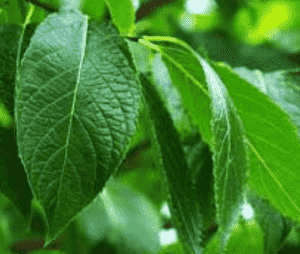
A deciduous tree recognized for its therapeutic bark and pliable characteristics, hardy rubber tree flourishes with infrequent trimming. To preserve its form and vitality, eliminate deceased or compromised branches in late winter or early spring. Reducing dense sections improves light exposure and airflow, fostering robust development. Pruning during its dormant phase lessens sap leakage and pathogen infiltration. Deliberate cuts also encourage fresh growth, guaranteeing hardy rubber tree stays robust and structurally intact.
What Are the Benefits of Pruning Hardy Rubber Tree?
What Are the Benefits of Pruning Hardy Rubber Tree?
Consistent trimming encourages hardy rubber tree to develop more robustly by stimulating new growth. It helps maintain its desired form and dimensions, ensuring the plant remains visually appealing and well-proportioned within its environment.
What Is the Best Time for Pruning Hardy Rubber Tree?
What Is the Best Time for Pruning Hardy Rubber Tree?
The optimal period for pruning or trimming hardy rubber tree is in late winter, prior to the emergence of new growth in early spring. This timing is ideal because hardy rubber tree is dormant during winter, making it less prone to stress or sap bleeding when cut. Pruning in late winter aids in removing any dead or damaged branches that may have resulted from winter conditions, thereby lowering the risk of disease. Furthermore, by trimming hardy rubber tree before its growth cycle begins in early spring, the plant can allocate more energy to forming new shoots and leaves from the remaining buds. This leads to a healthier and stronger plant. It is important to avoid pruning hardy rubber tree during its active growth phases in late spring or summer, as this can cause excessive sap loss and weaken the plant. Similarly, pruning too late in the fall can stimulate new growth that may not harden off before winter, potentially leading to cold damage.
What Tools Do I Need to Prune Hardy Rubber Tree?
Hand Pruners
Perfect for cutting through small branches and twigs on hardy rubber tree, providing clean cuts without significant harm to the plant's tissues.
Loppers
Larger than hand pruners with extended handles, these provide increased leverage to cut through medium-sized branches of hardy rubber tree, typically up to 1.5 inches in diameter, with greater ease.
Pruning Saw
Recommended for larger branches of hardy rubber tree that are too thick for hand pruners or loppers; a pruning saw can make precise cuts on branches over 1.5 inches in diameter.
Hedge Shears
Useful for trimming and shaping the foliage of hardy rubber tree if a formal hedge appearance is desired. These shears allow for even, straight cuts across multiple small branches.
Pole Pruner
Enables the pruning of hardy rubber tree's higher branches from the ground, offering an extended reach. This tool is essential when trimming branches that are out of reach with standard hand tools.
Safety Gear
Wearing safety goggles and gloves is crucial to protect the gardener from potential injuries when pruning hardy rubber tree.
How to Prune Hardy Rubber Tree
Clean Tools
Before beginning the pruning process, ensure all pruning tools are clean and sharp to prevent the spread of disease and to make clean cuts on hardy rubber tree.
Identify Branches
Inspect hardy rubber tree for dead or diseased branches by examining their color, texture, and overall health. Dead branches will typically appear brown and brittle, while diseased branches may show signs of decay or infection.
Cut Dead Branches
Using pruning shears or a saw, depending on the branch's thickness, remove dead branches by making a clean cut where the dead tissue meets healthy tissue. Avoid leaving stubs as this can lead to further decay.
Remove Diseased Branches
Identify and promptly remove any branches showing signs of disease, cutting well back into healthy wood, and dispose of them properly to prevent the spread of pathogens within hardy rubber tree.
Cleanup
After pruning hardy rubber tree, clear away all debris and remove it from the area to reduce the chance of pests or diseases affecting healthy parts of the plant.
Common Pruning Mistakes with Hardy Rubber Tree
Over-Pruning
Removing too much of hardy rubber tree's foliage, especially when attempting to shape the tree, can weaken the plant and expose it to diseases and pests. Hardy rubber tree typically requires minimal pruning, as it naturally maintains a good shape.
Improper Cut Placement
Making cuts either too close or too far from the node can result in poor healing and risk disease entry. When pruning hardy rubber tree, it's important to cut just above the node where leaves emerge.
Using Dull Tools
Utilizing dull pruning tools can damage hardy rubber tree's branches, leading to unhealthy, jagged cuts that make the tree more susceptible to infections. Sharp, clean tools ensure clean cuts for better healing.
Neglecting To Remove Dead Wood
Failing to regularly remove dead or diseased branches from hardy rubber tree can allow decay and disease to spread throughout the tree, affecting its overall health.
Excessive Shaping
While hardy rubber tree allows for some training and shaping, excessive shaping can stress the tree and stunt growth. It's crucial to maintain the natural form rather than over-manipulating the shape.
Common Pruning Tips for Hardy Rubber Tree
Sharp And Clean Tools
Using sharp, sterilized pruning tools helps make clean cuts that heal quickly and reduce the risk of transmitting diseases to hardy rubber tree.
Correct Cut Angle
Cuts should be made at a 45-degree angle slanting away from a bud to facilitate water runoff and minimize the risk of disease in hardy rubber tree.
Thin Out Selectively
Selectively thinning out overcrowded branches can improve air circulation and light penetration, which is crucial for the health and vigor of hardy rubber tree.
Identify Necessary Cuts
Before pruning hardy rubber tree, study the tree's structure to identify which branches truly need removalâsuch as dead, diseased, or rubbing branchesâto minimize unnecessary cutting.
Gradual Approach
Especially for inexperienced gardeners, taking a gradual approach to pruning hardy rubber tree is essential, avoiding excessive cutting in a single session to allow the tree to recover.



