How to Prune Red box?
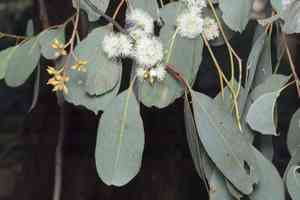
This favored decorative tree features unique silver-blue foliage and typically forms a broad, thick crown. Essential pruning methods for red box involve excising dead or ailing branches, reducing congested limbs to enhance airflow, and sculpting for visual appeal or space control. The most effective time for pruning is during winter dormancy, which minimizes stress and the likelihood of illness. Pruning benefits red box by fostering more robust development, elevating its aesthetic appeal, and guaranteeing the tree's security.
Advantages of Trimming Red Box
Advantages of Trimming Red Box
Trimming red box promotes robust development and helps maintain its desired form. Strategic cuts revitalize the plant, leading to a strong framework and preventing excessive growth that could compromise its shape and beauty.
Optimal Period for Trimming Red Box
Optimal Period for Trimming Red Box
Trimming red box in late winter to early spring aligns with the plant's dormant phase, when it's less vulnerable to pruning stress. This timing allows red box to recover and channel energy into new growth and healing as the active season begins. It also prevents the removal of any spring-forming flower buds, preserving the plant's aesthetic and vitality. Furthermore, the reduced risk of pests and diseases during colder months helps prevent infection at the cut sites.
Required Tools for Trimming Red Box
Hand Pruners
Red box possesses smaller branches that are easily managed with hand pruners. These are ideal for making clean cuts on branches up to 3/4 inch in diameter.
Loppers
For slightly larger branches, typically up to 2 inches in diameter, loppers offer the necessary leverage and reach for cleanly cutting through red box's branches without causing plant damage.
Pruning Saw
When red box branches exceed 2 inches in diameter, a pruning saw is crucial. Its sharp teeth and design enable cutting through thick branches without tearing the bark.
Pole Pruner
To reach higher limbs on red box without a ladder, a pole pruner can be very useful. It's perfect for branches up to 1 1/4 inches in diameter that are out of arm's reach.
Chainsaw
If red box requires the removal of very large limbs or is being heavily pruned for management, a chainsaw might be necessary. It will quickly handle thick branches but should be used with caution and appropriate protective gear.
How to Trim Red Box
Clean And Sharpen Tools
Before trimming red box, clean and sharpen pruning shears and saws to ensure precise cuts that will heal quickly, minimizing infection risk.
Safety Preparation
Wear protective gear such as gloves and safety glasses to guard against falling branches and debris while trimming red box.
Identifying
Carefully inspect red box to locate all dead and diseased branches, which are typically discolored, have peeling bark, or show signs of decay or fungus.
Cutting
Using the appropriate tool based on branch thickness, make cuts on dead and diseased branches of red box just above the branch collar at a 45-degree angle away from the stem to promote proper healing.
Disposal
Remove the trimmed branches from the area and dispose of them properly to prevent the spread of disease among red box or other nearby plants.
Common Trimming Errors with Red Box
Over-Trimming
Excessive removal of branches can stress red box, leading to weakened defense against pests and diseases.
Incorrect Cut Placement
Cuts made too close to the trunk can hinder red box's healing ability, while those too far leave unsightly stubs that risk disease.
Tearing Bark
Improper cutting technique may result in bark tearing, causing unnecessary wounds that could lead to infections in red box.
Using Dull Tools
Dull pruning tools can damage red box's branches, resulting in jagged cuts that take longer to heal.
Trimming Without A Plan
Random or excessive cutting can lead to poor growth patterns and reduced vigor in red box.
General Trimming Advice for Red Box
Clean Cuts
Use sharp, clean pruning tools to make precise cuts that will heal quickly, preventing disease in red box.
Branch Collar Awareness
Cut just outside the branch collar without damaging it to ensure proper healing of red box's wounds.
Selective Thinning
Thin out crowded branches to improve air circulation and light penetration, fostering a healthy growth environment for red box.
Remove Dead Material
Regularly remove dead, diseased, or damaged wood to maintain red box's overall health and aesthetic appearance.
Shaping And Structure
Trim to maintain the natural shape of red box, focusing on creating a strong structure that can support its canopy.
Height And Spread Management
Trim to control height and spread, keeping red box at a manageable size for its location.



