How to Prune Tasmanian blue gum?
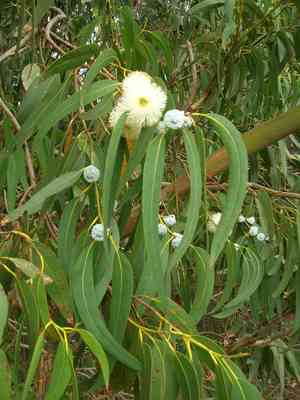
A prominent element in numerous outdoor settings, the distinctive Eucalyptus globulus is known for its impressive height and aromatic leaves. It thrives with early shaping during its juvenile stage to build a robust structure, involving careful trimming of side branches to foster a primary trunk. Established trees need infrequent pruning, primarily for eliminating deceased or compromised wood and improving airflow. The ideal period for pruning is winter, during its inactive phase, to lessen strain and the chance of illness. Pruning boosts the tree's well-being and strength, while preserving a secure, attractive form.
Advantages of Trimming Tasmanian Blue Gum
Advantages of Trimming Tasmanian Blue Gum
Trimming tasmanian blue gum promotes vigorous development and maintains its desired shape, enabling gardeners to manage its size and form for both aesthetic appeal and spatial needs.
Optimal Period for Pruning Tasmanian Blue Gum
Optimal Period for Pruning Tasmanian Blue Gum
Late winter to early spring is the best time for pruning tasmanian blue gum as the plant is still dormant, reducing stress and the risk of pests or diseases entering pruning wounds. This timing also allows for the removal of winter-damaged parts before new growth starts. Pruning during dormancy can stimulate strong growth in the subsequent season. Since tasmanian blue gum lacks a prominent flowering or fruiting period that gardeners must consider, late winter to early spring is an ideal time to encourage healthy and robust plant development.
Tools Required for Pruning Tasmanian Blue Gum
Bypass Pruners
Perfect for cutting smaller, live branches of tasmanian blue gum up to approximately 1/2 inch in diameter. Their curved, scissor-like blades ensure clean cuts without crushing stems.
Lopping Shears
Useful for trimming medium-sized branches, typically between 1/2 inch and 2 inches in diameter. Featuring long handles, they provide the necessary leverage for cutting through tasmanian blue gum's tougher branches without excessive effort.
Pruning Saw
Essential for larger branches exceeding 2 inches in diameter. Pruning saws come with either straight or curved blades and are excellent for making clean cuts on tasmanian blue gum's mature, woody limbs.
Pole Pruner
Crucial for reaching higher branches of tasmanian blue gum. It combines a saw and a lopper on an extendable pole, allowing cuts on limbs that are otherwise out of reach.
Chainsaw
For very thick branches or reducing the overall size of tasmanian blue gum, a chainsaw might be necessary. It facilitates quick work of large cutting tasks but requires extreme caution and proper safety gear.
How to Prune Tasmanian Blue Gum
Choose Tools
Select the appropriate tools for pruning tasmanian blue gum, including sharp bypass pruners for small branches, loppers for medium branches, and a pruning saw for large dead or diseased branches.
Inspect
Examine tasmanian blue gum for any signs of dead or diseased branches. Look for discolored branches, abnormal growth, or clearly deceased parts with no signs of green, healthy tissue.
Sanitize
Before beginning to prune tasmanian blue gum, sterilize all pruning tools. This can be done by wiping the blades with a cloth soaked in isopropyl alcohol to prevent disease transmission.
Prune Dead Branches
Carefully cut dead branches at their junction with a healthy branch. Make cuts at a slight angle to prevent water accumulation that could lead to rot. If the branch collar (the swollen area of trunk tissue that forms around the base of a branch) is visible, do not cut into it.
Remove Diseased Branches
Identify and prune diseased branches of tasmanian blue gum by cutting them back to healthy tissue. If the entire branch is affected, remove it at its base, being careful not to nick the surrounding healthy branches or bark. Collect and dispose of all diseased material to prevent further infection.
Common Pruning Errors with Tasmanian Blue Gum
Overpruning
Removing too much foliage, which can stress tasmanian blue gum, impeding its growth and vitality.
Incorrect Tools
Using dull or dirty pruning tools that can damage tasmanian blue gum's bark and branches, leading to disease.
Flush Cutting
Making cuts flush against the trunk, which can remove the branch collar, increasing susceptibility to pests and diseases.
Neglecting Safety
Ignoring personal safety measures when pruning tasmanian blue gum, which can grow quite tall, potentially leading to injury.
General Pruning Advice for Tasmanian Blue Gum
Sharp Tools
Use clean, sharp pruning tools to make precise cuts that tasmanian blue gum can heal more easily, minimizing stress.
Branch Collar
Cut outside the branch collar, not flush with the trunk, to encourage proper healing and prevent disease entry.
Selective Pruning
Thin out the canopy by selectively removing branches to improve light penetration and air circulation for tasmanian blue gum.
Correct Form
Prune to maintain a strong central leader and a good scaffold structure, which supports the health and stability of tasmanian blue gum.



